Research-Based Practice
· research-based art · fieldwork-based practice · environmental art · artistic research · posthumanism · environmental humanities · nature–culture relations · archives & field studies ·
Nature as a subject of artistic research and practice
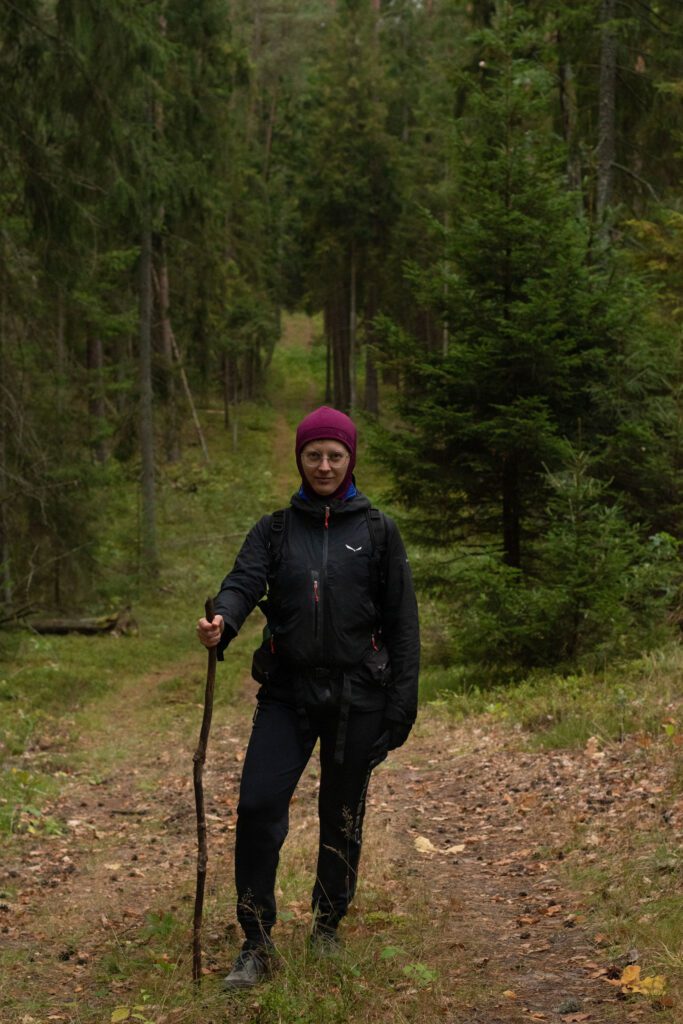
My work is based on research. I conduct bibliographic and archival queries as well as field research - observations of the relationships within selected ecosystems and cultural ways of understanding and representing nature. I observe nature from many perspectives - biology, geology, religion, mythology, tradition, philosophy, and culture.I am interested in how artistic practice can function as a tool for ecological cognition - revealing the interdependencies between humans, landscape, and non-human forms of life.
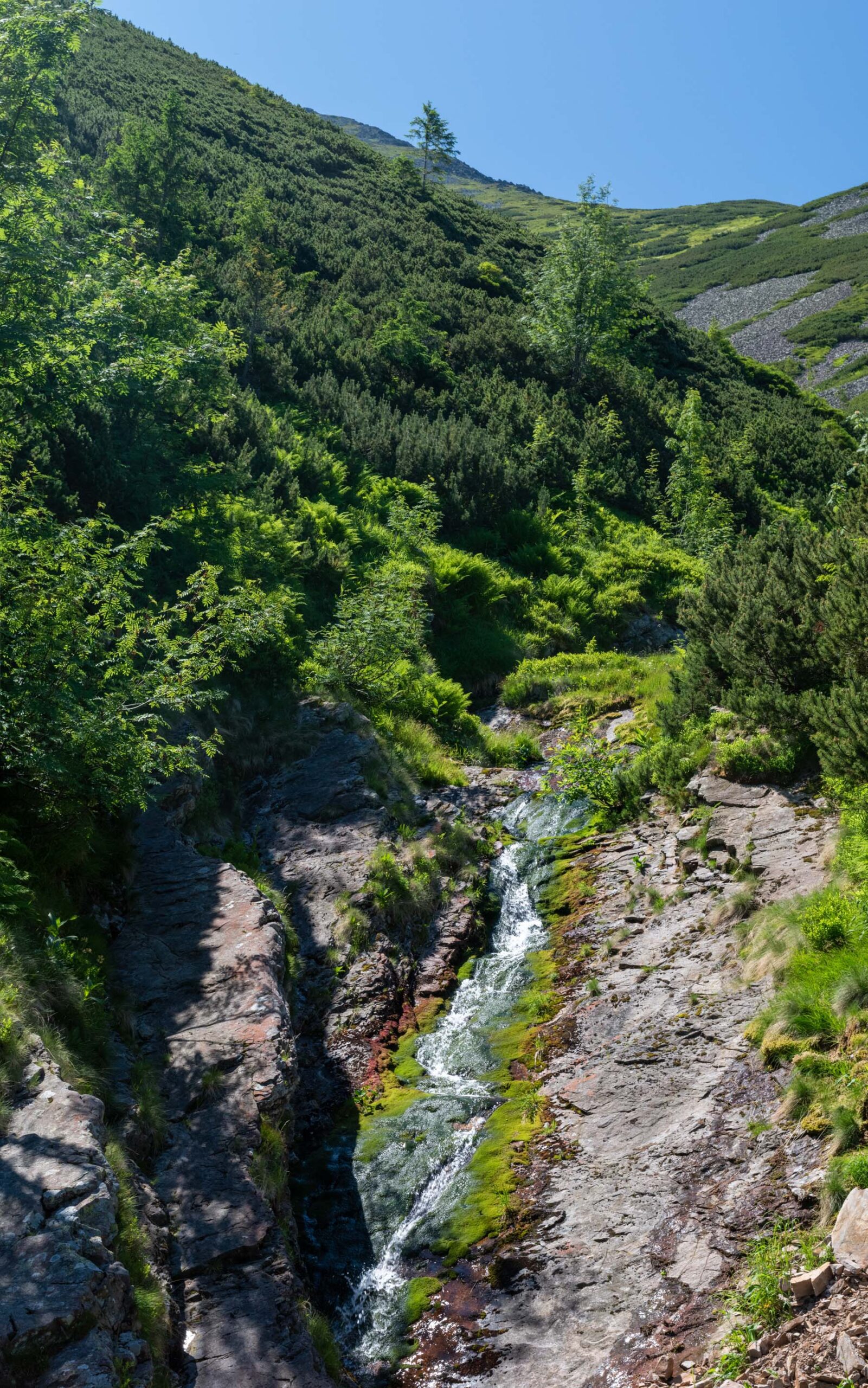
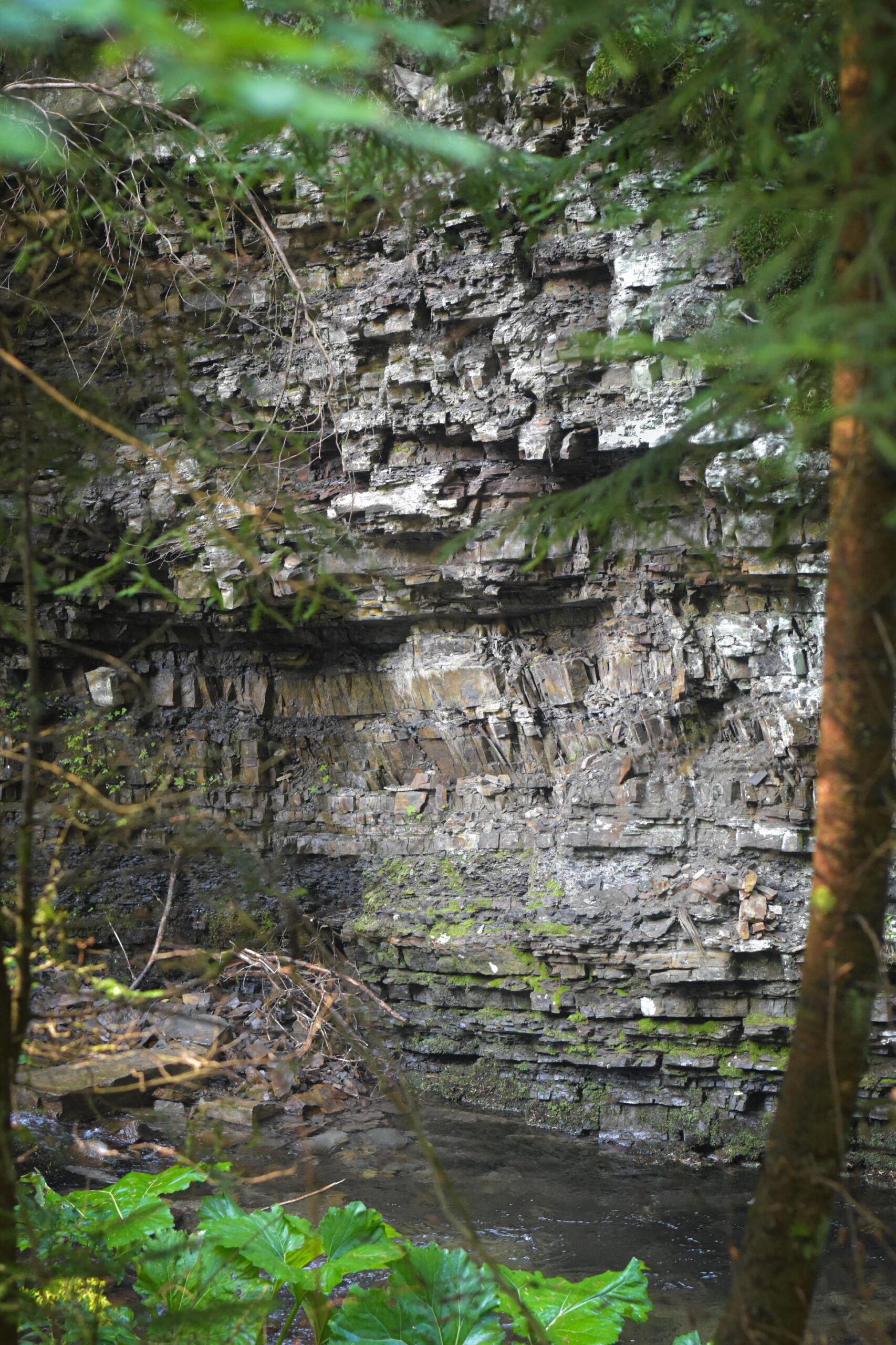
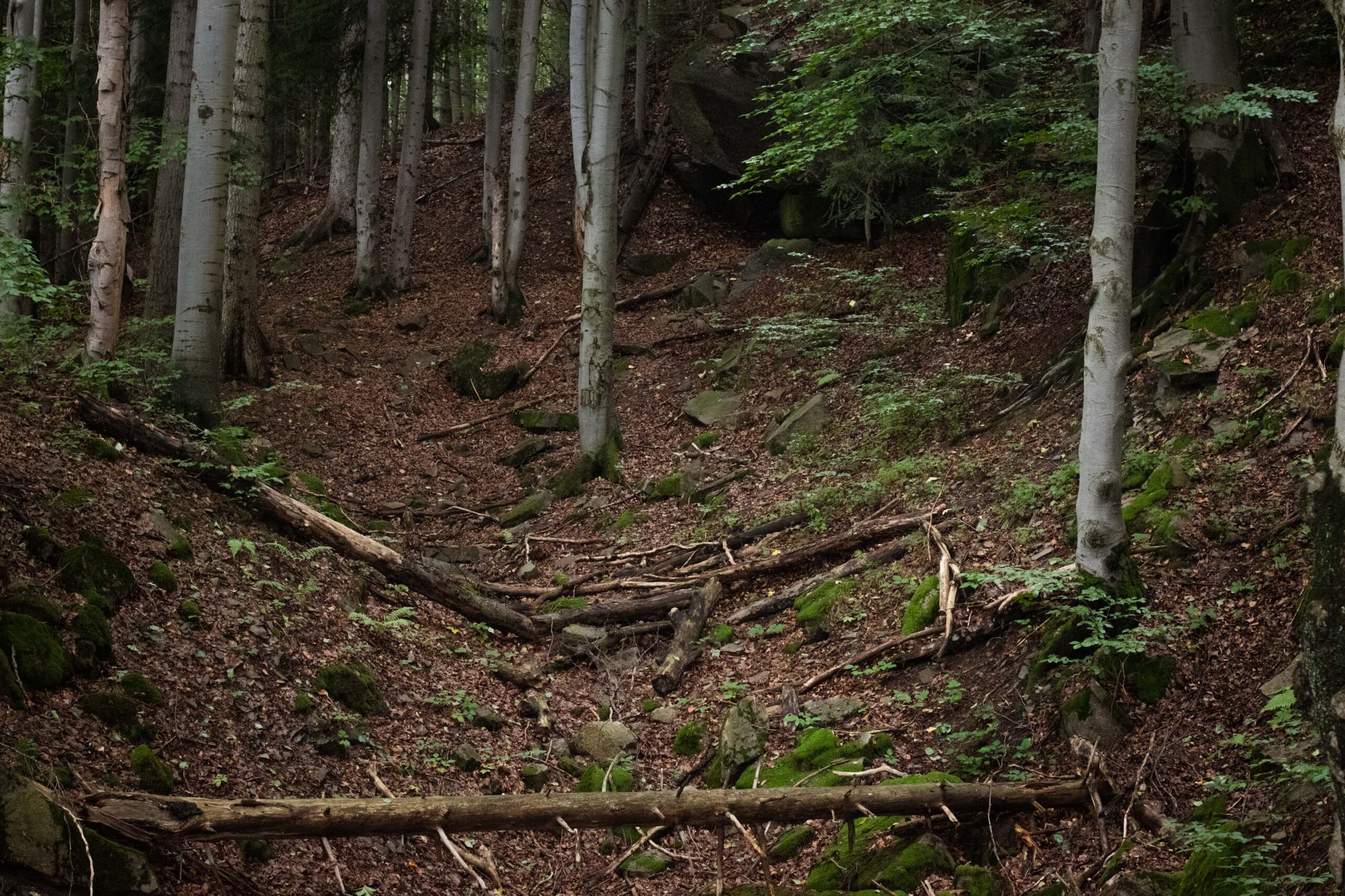
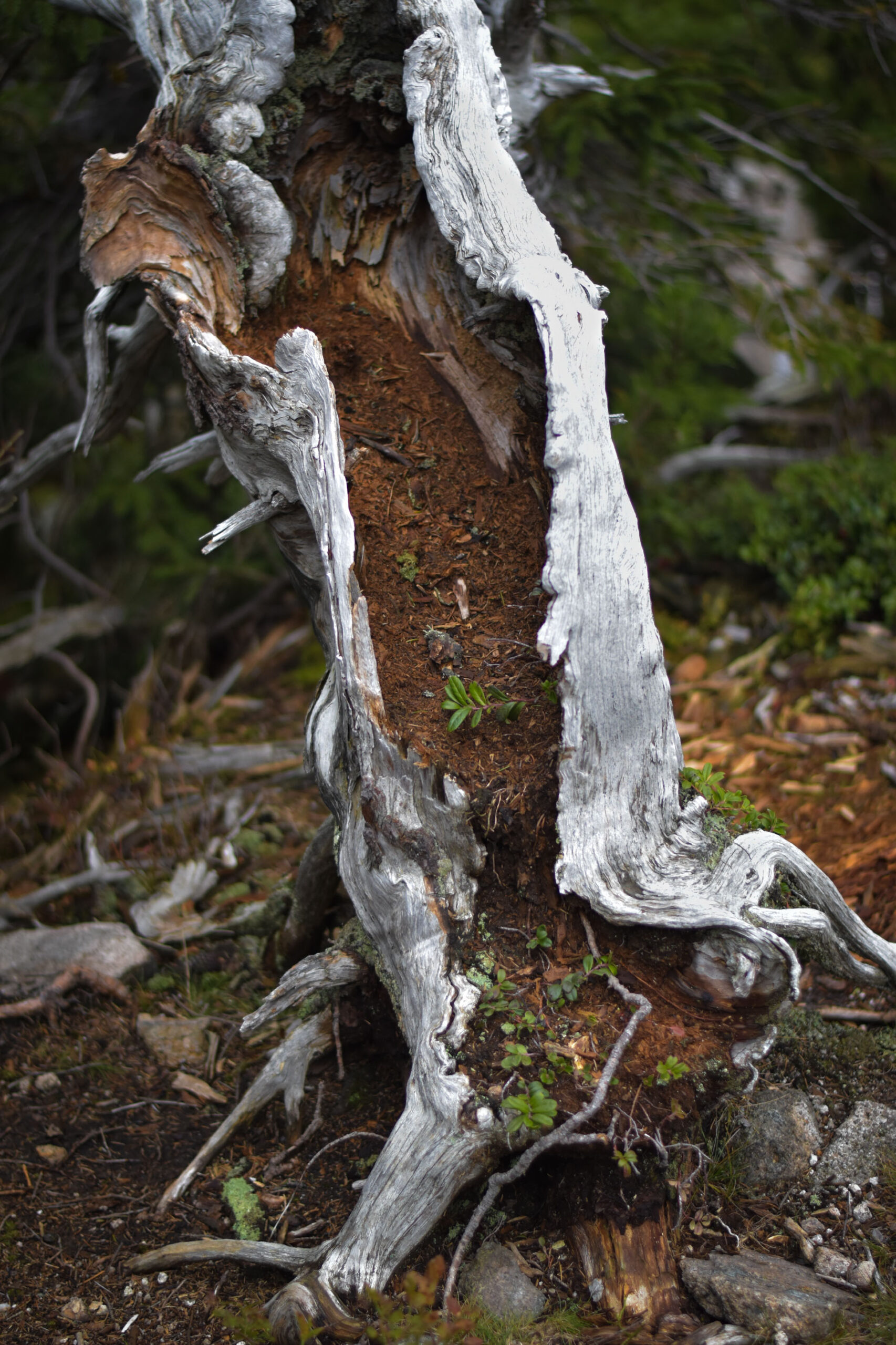
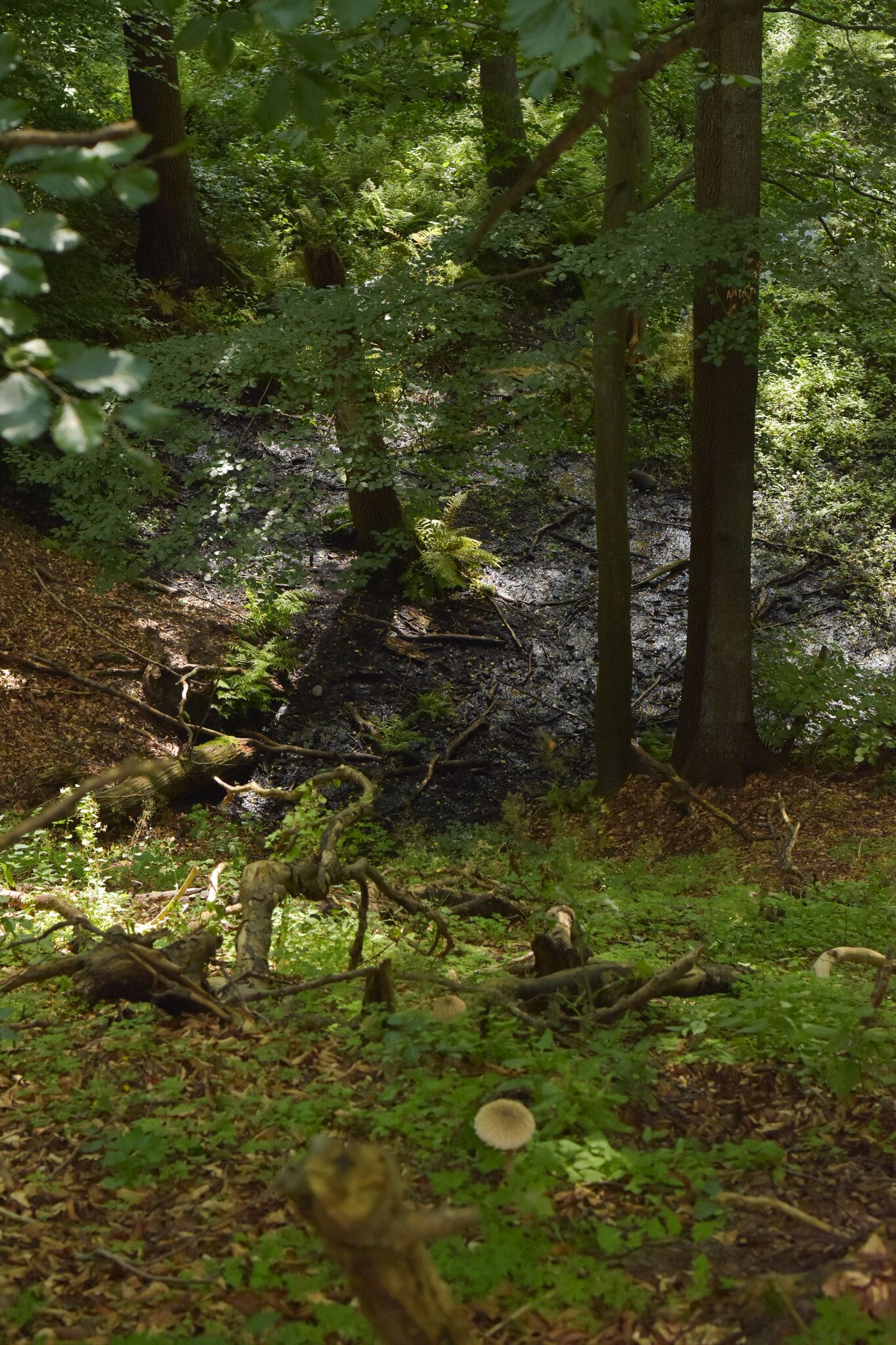
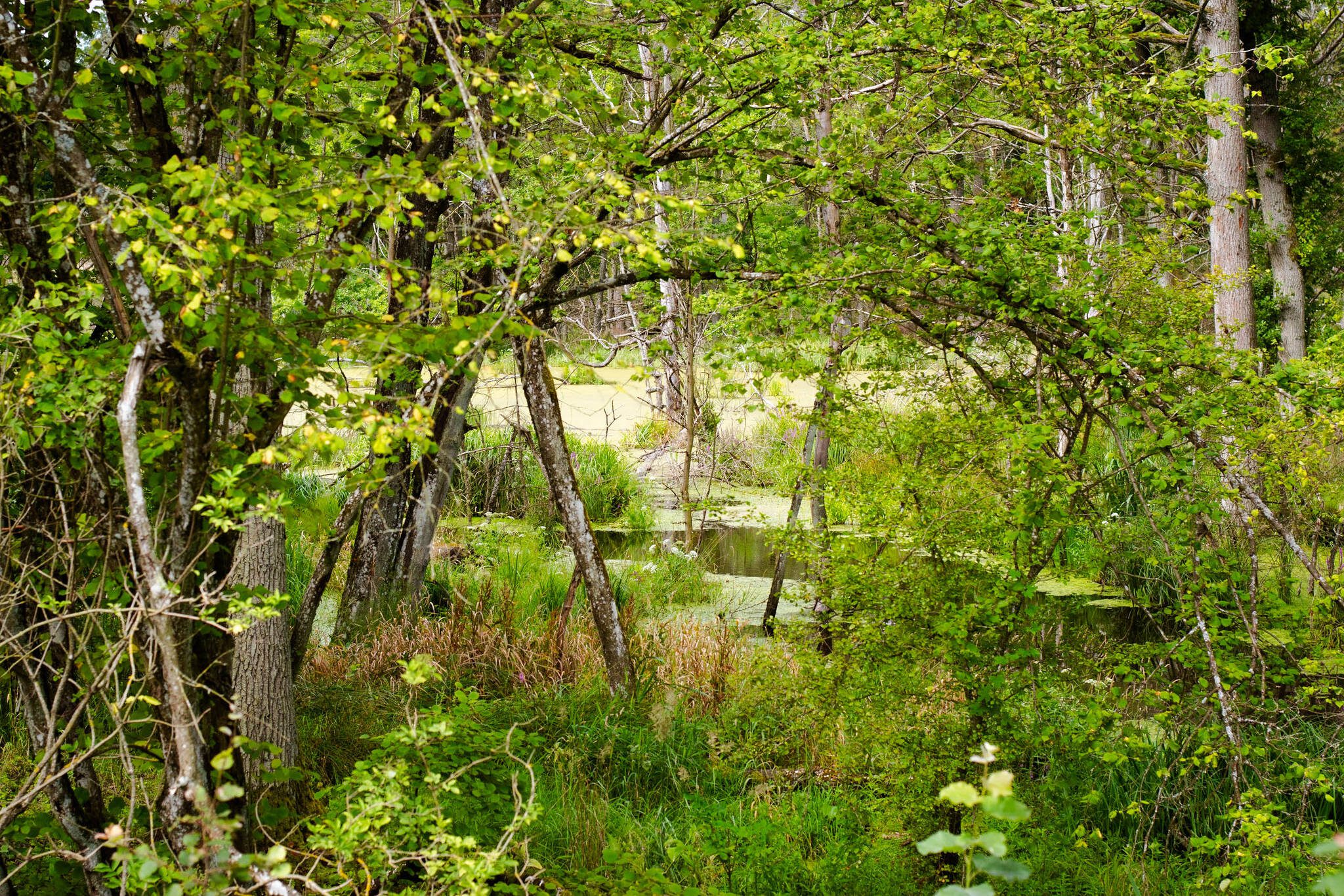
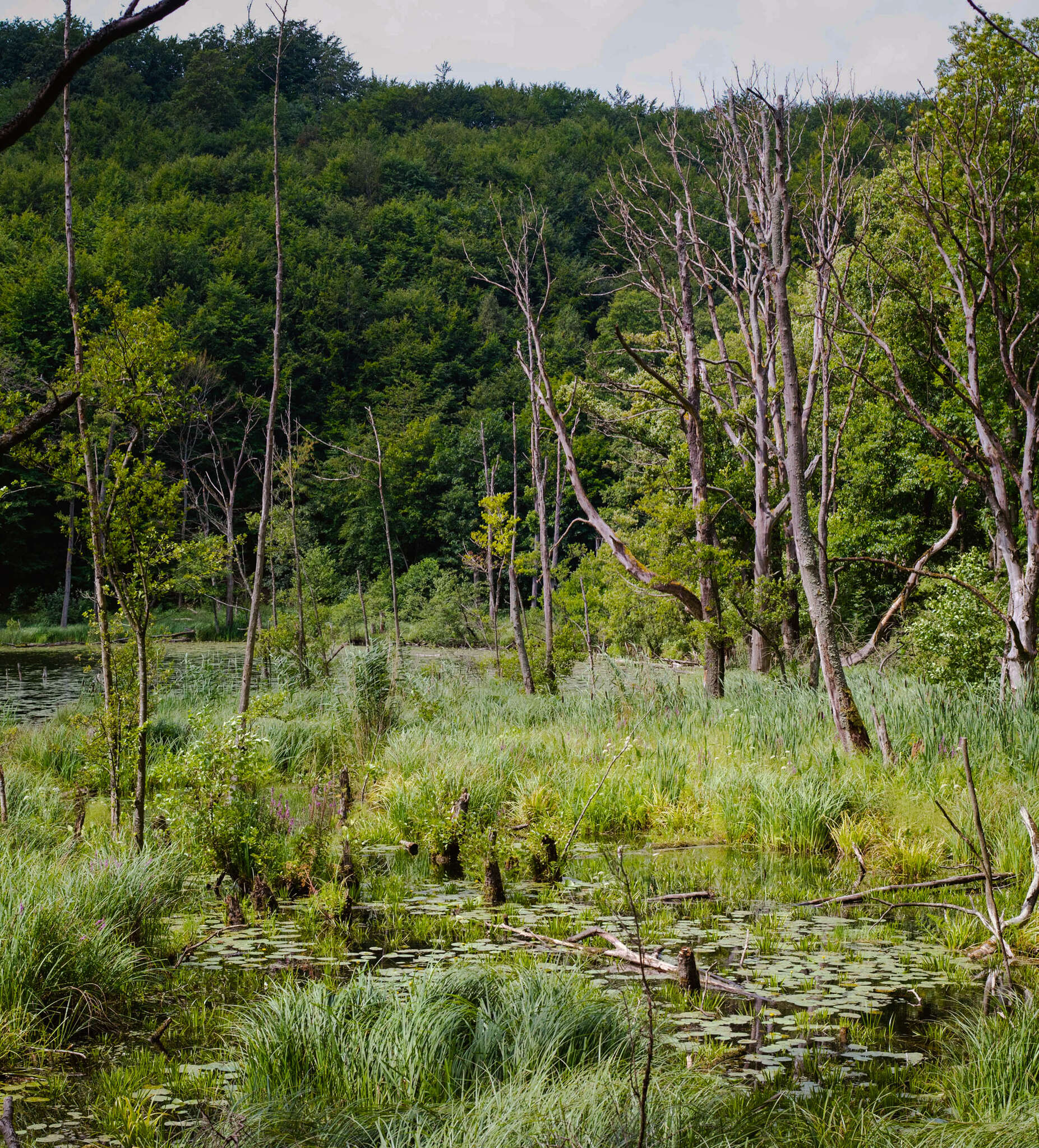
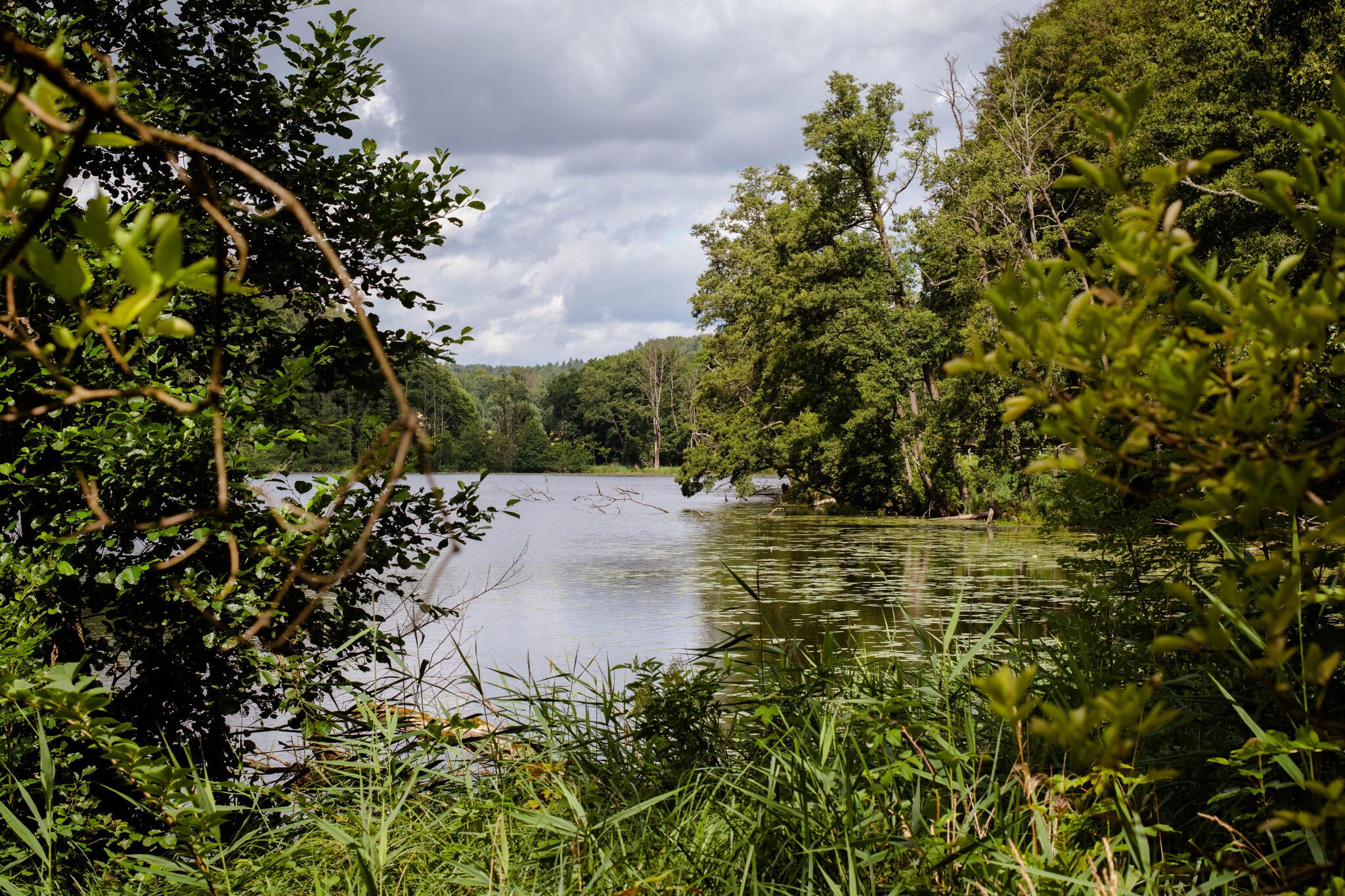
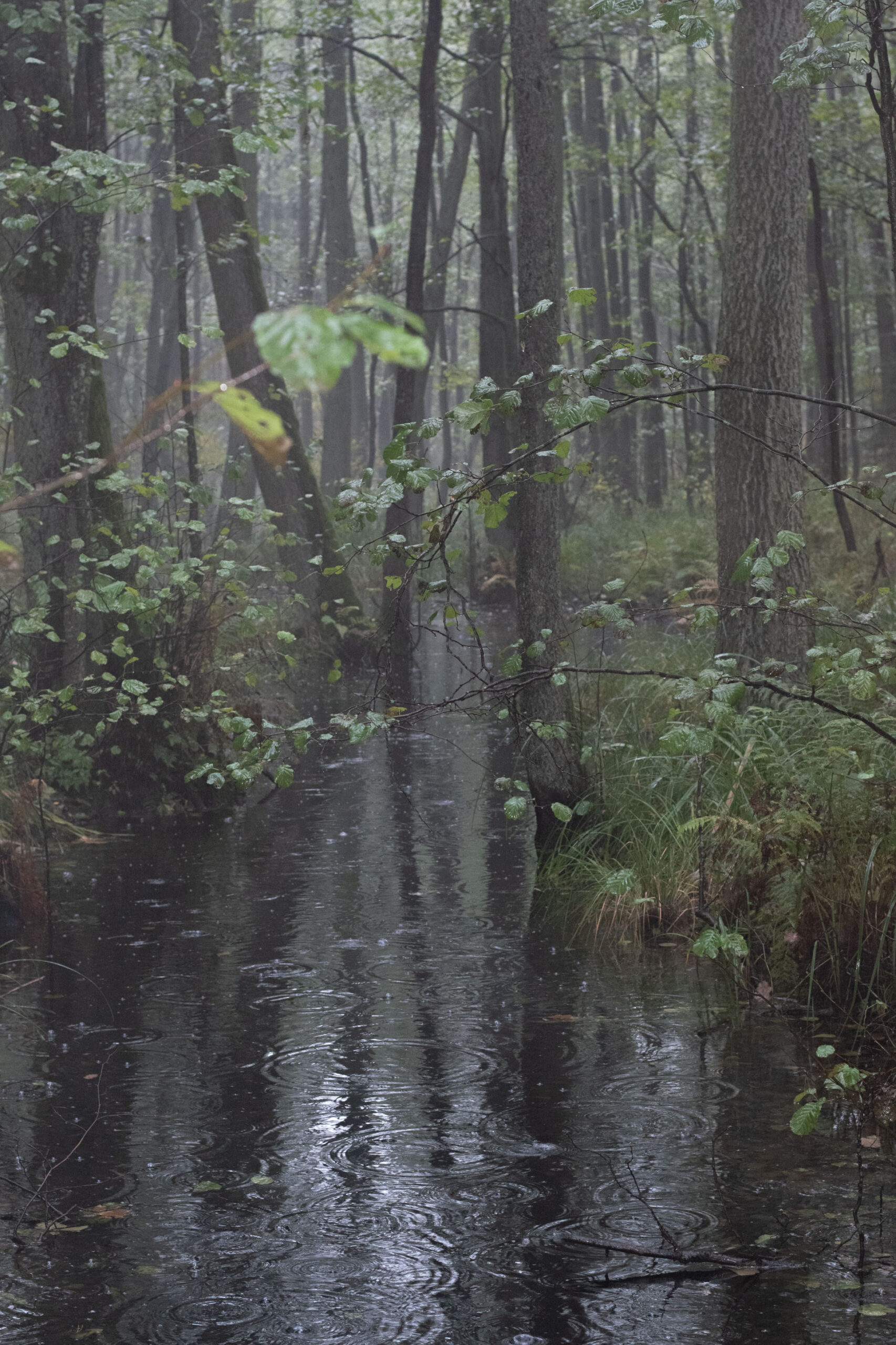
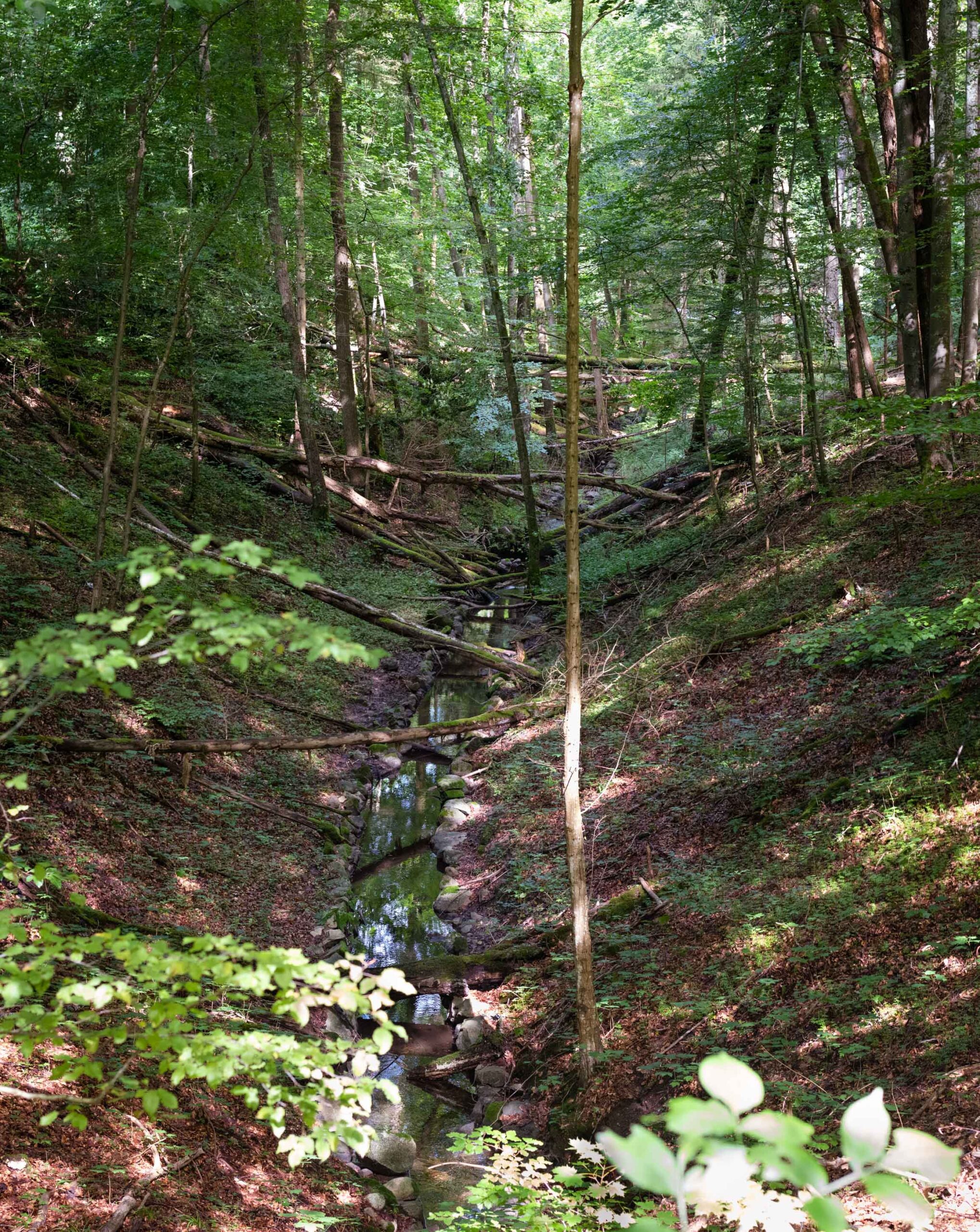
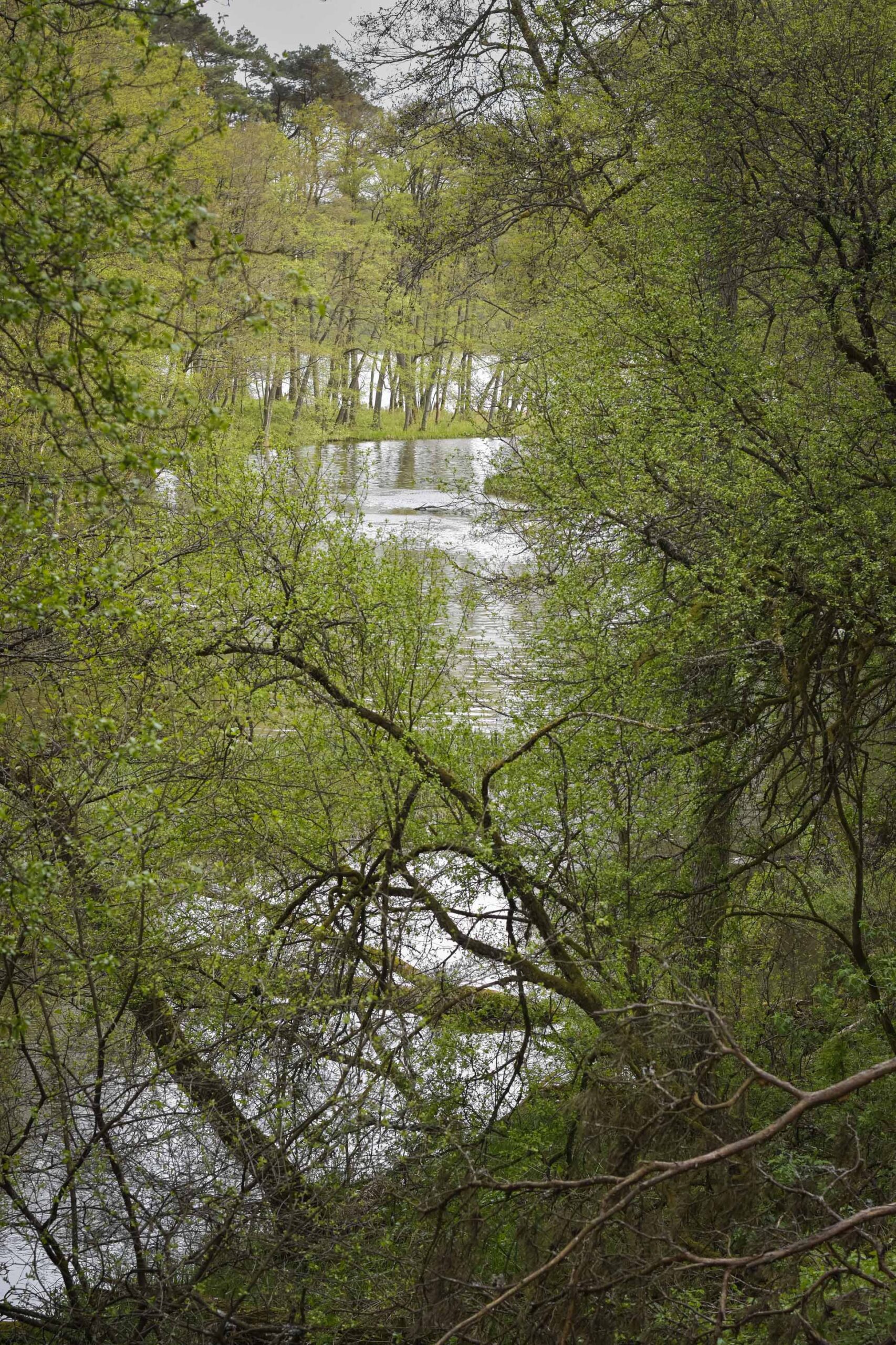
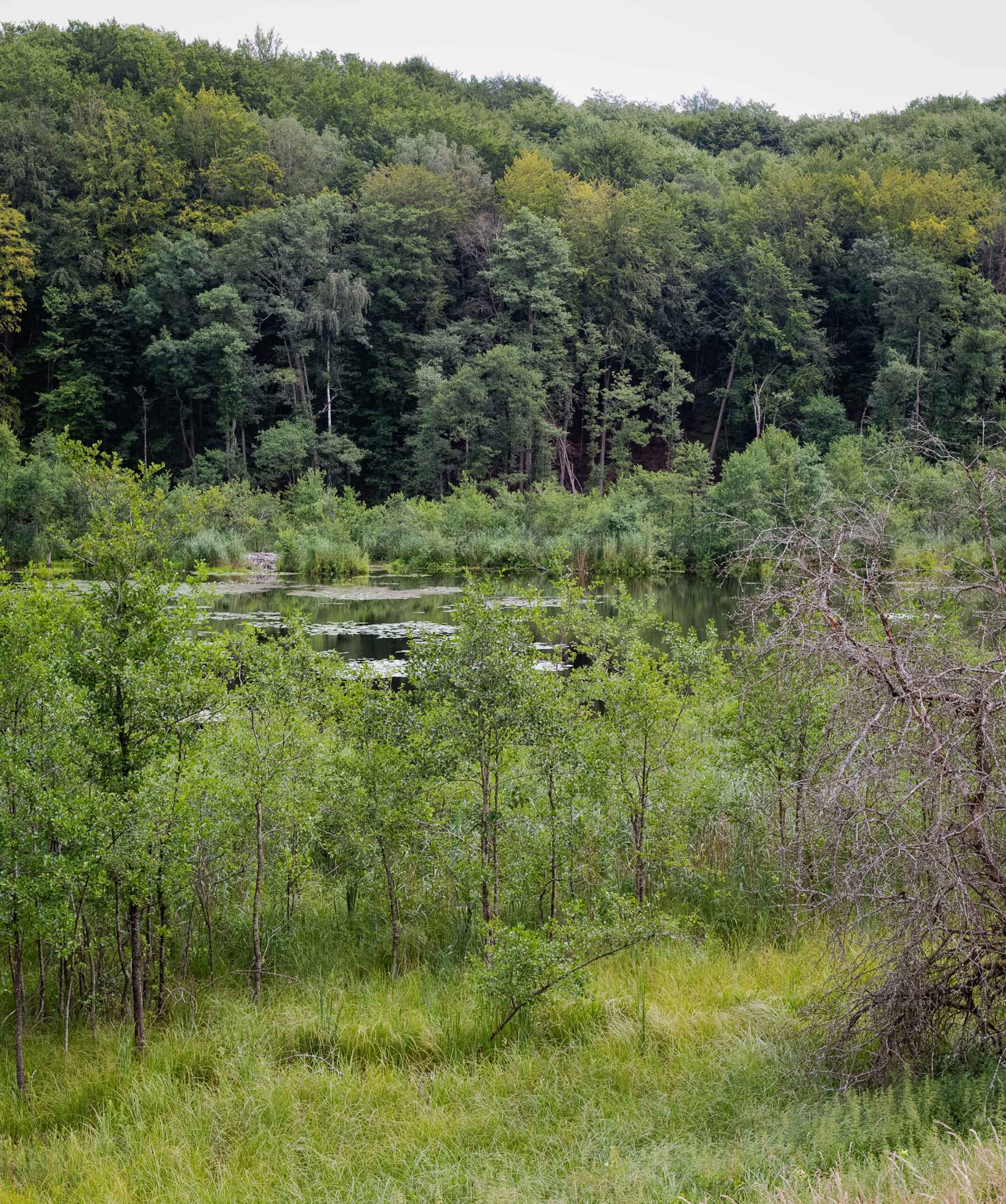
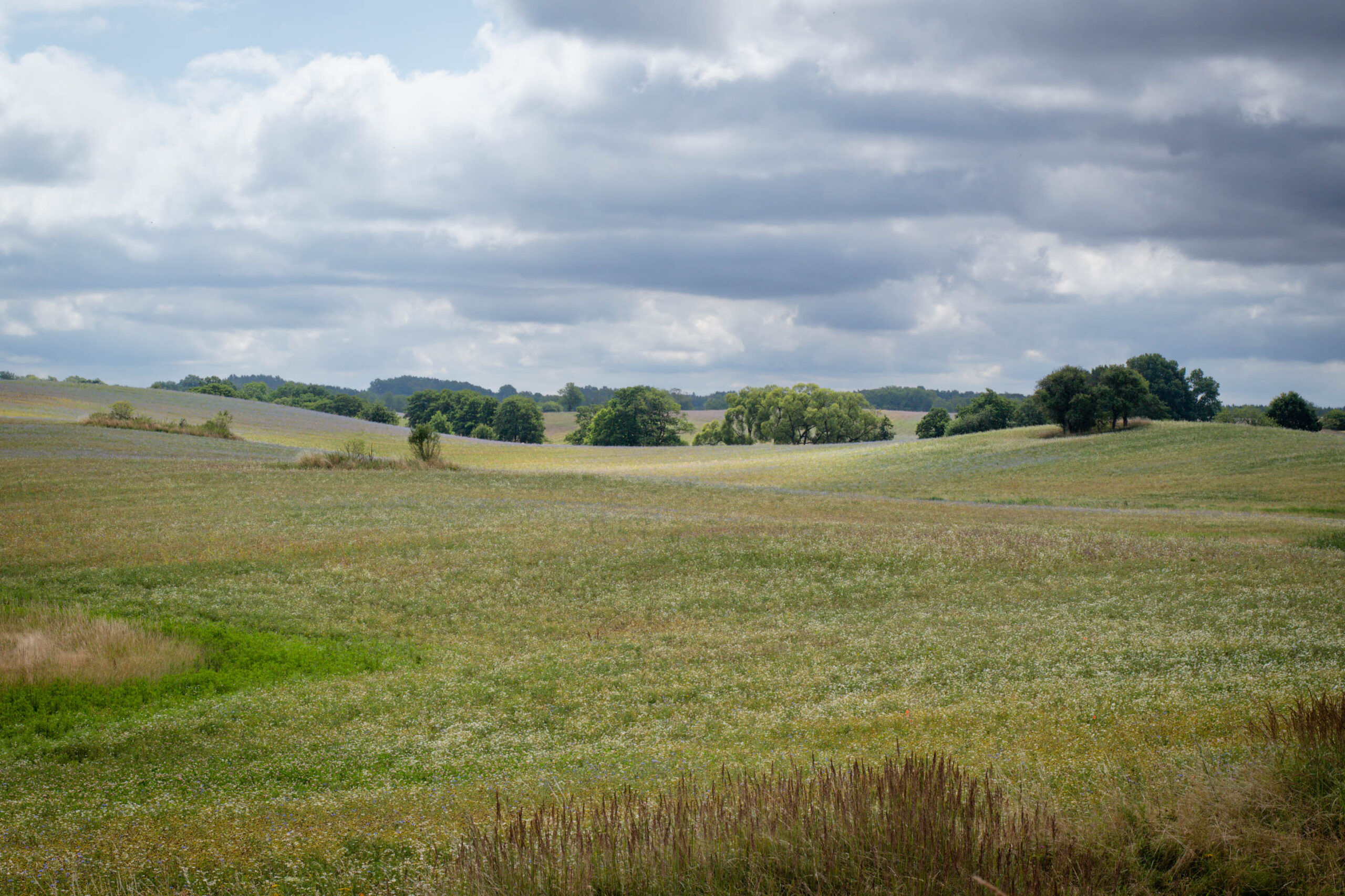
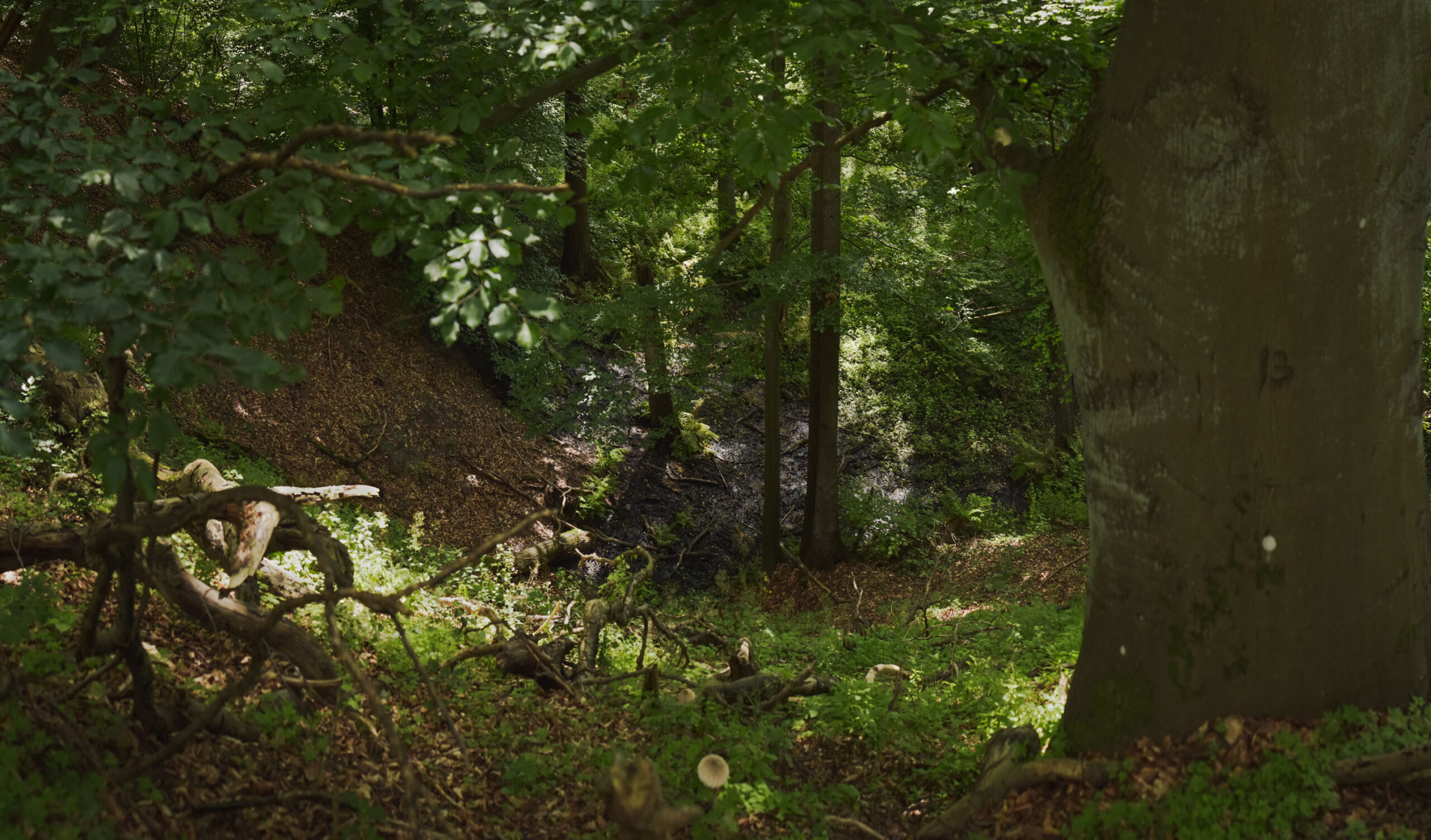
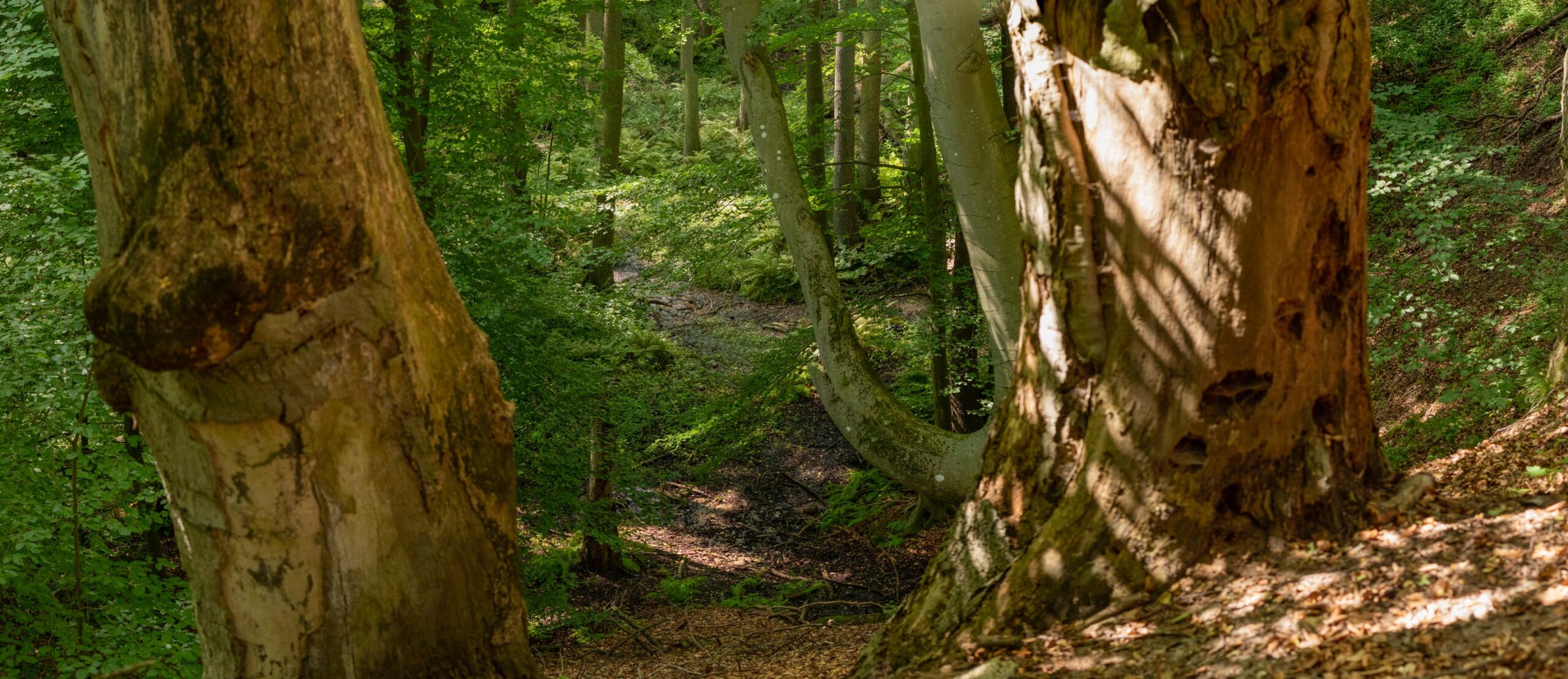
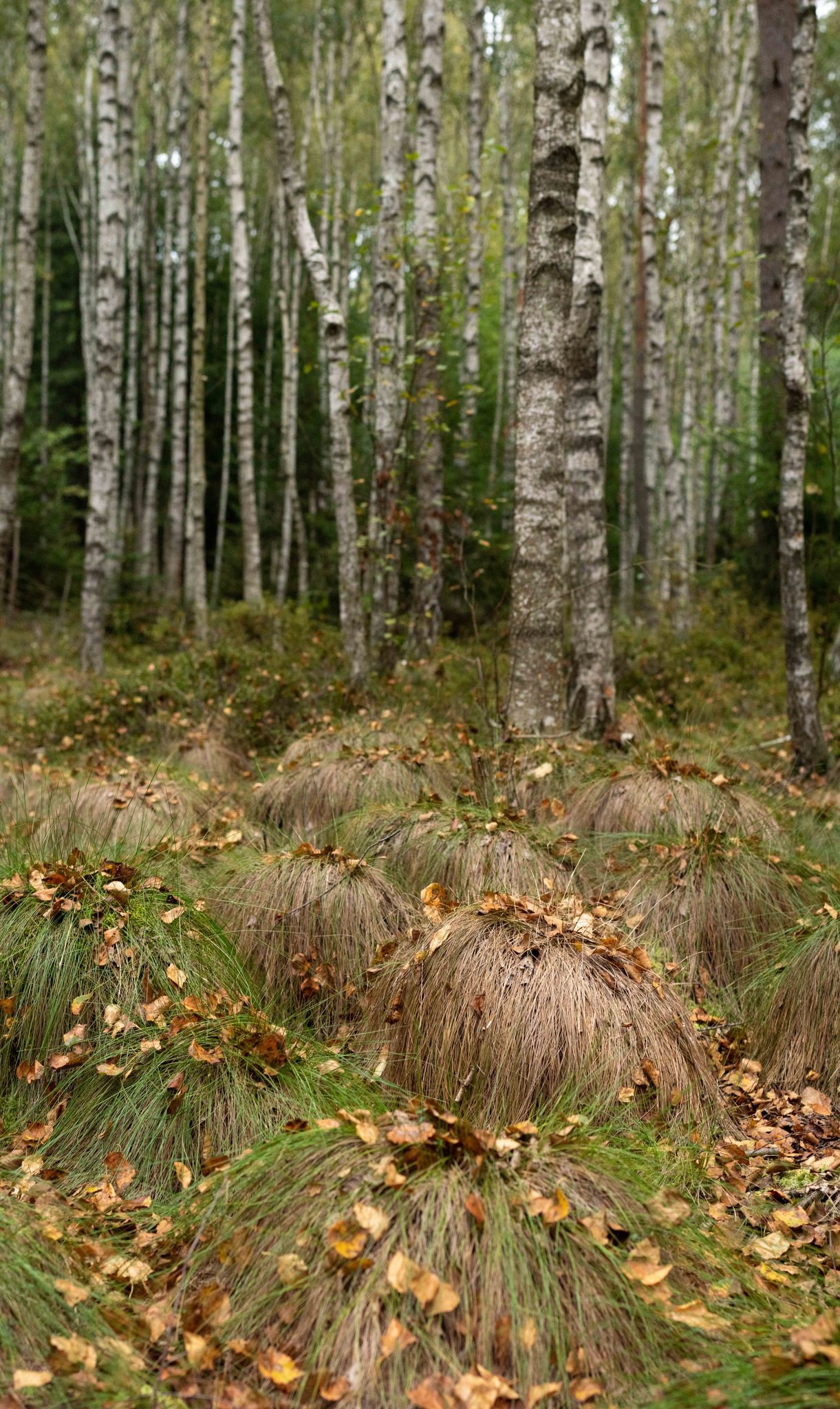
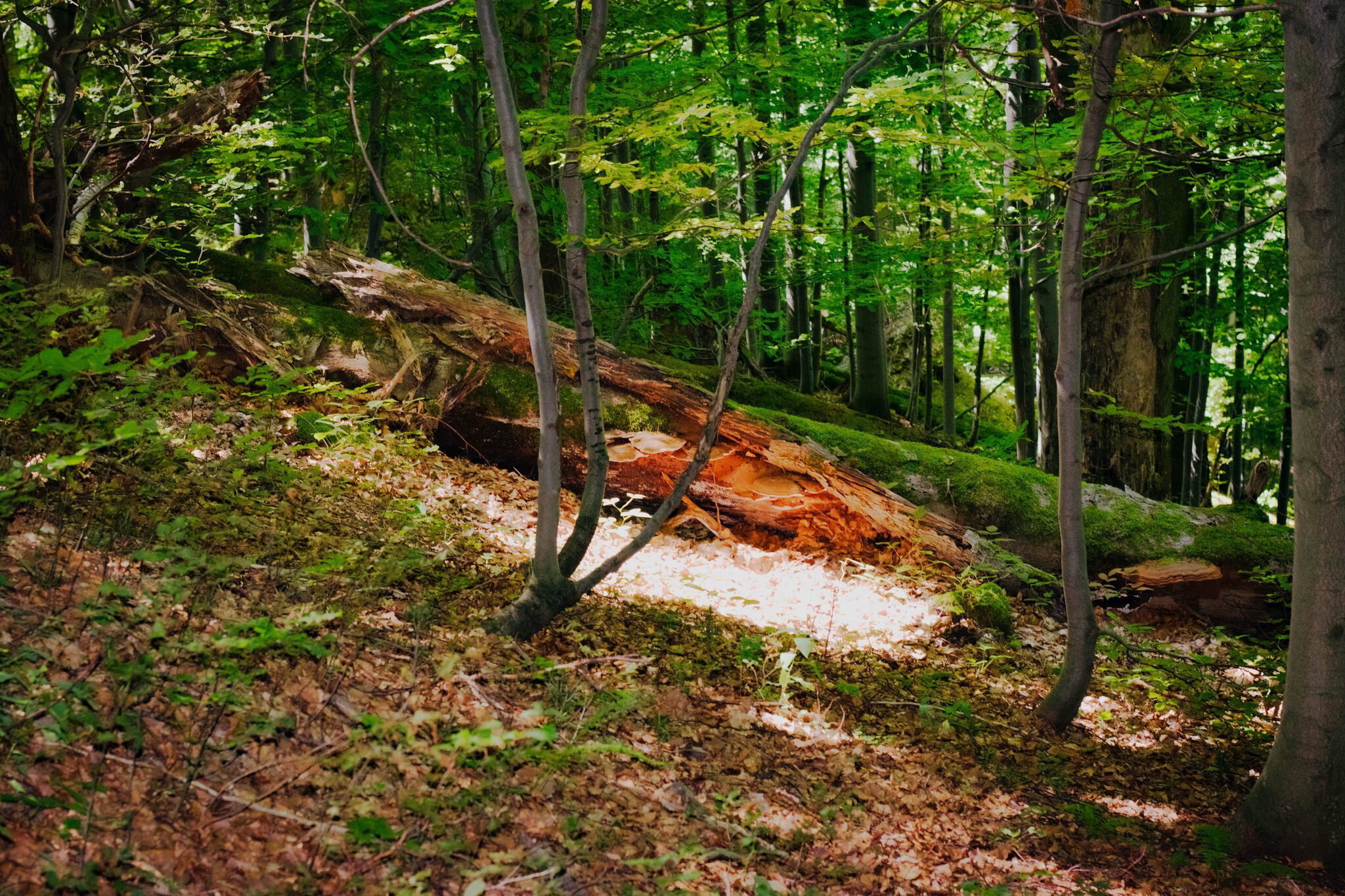
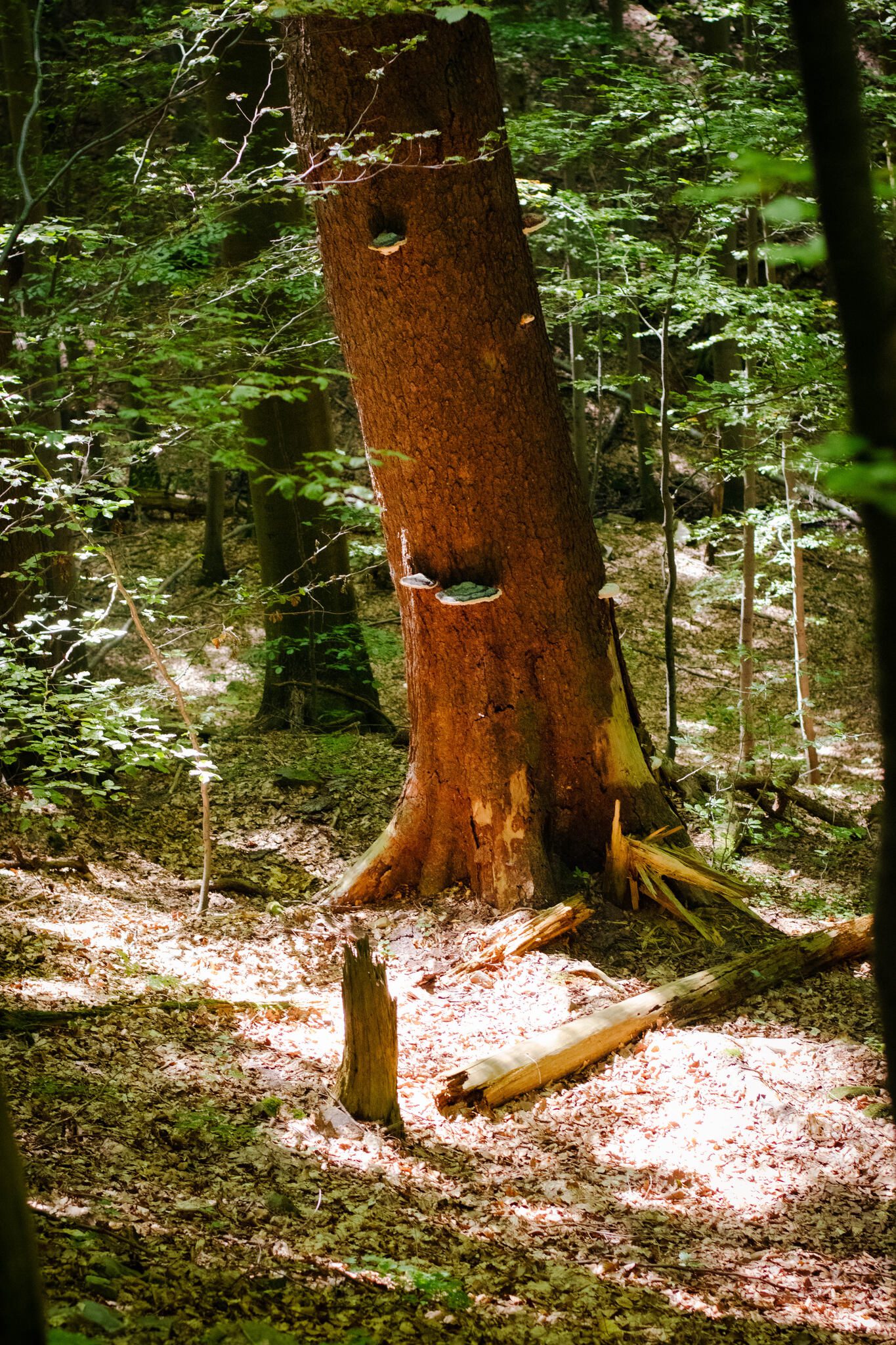
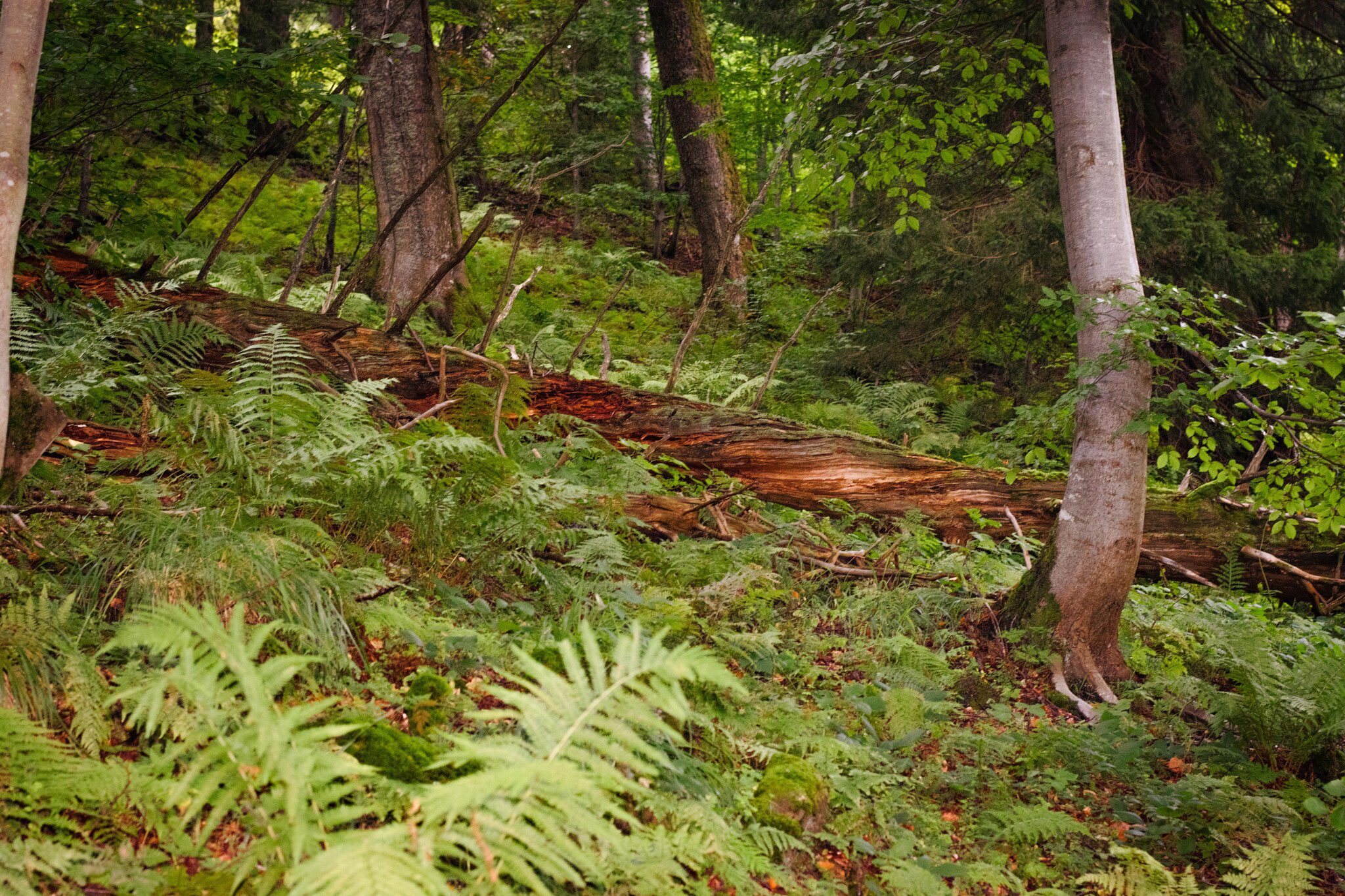
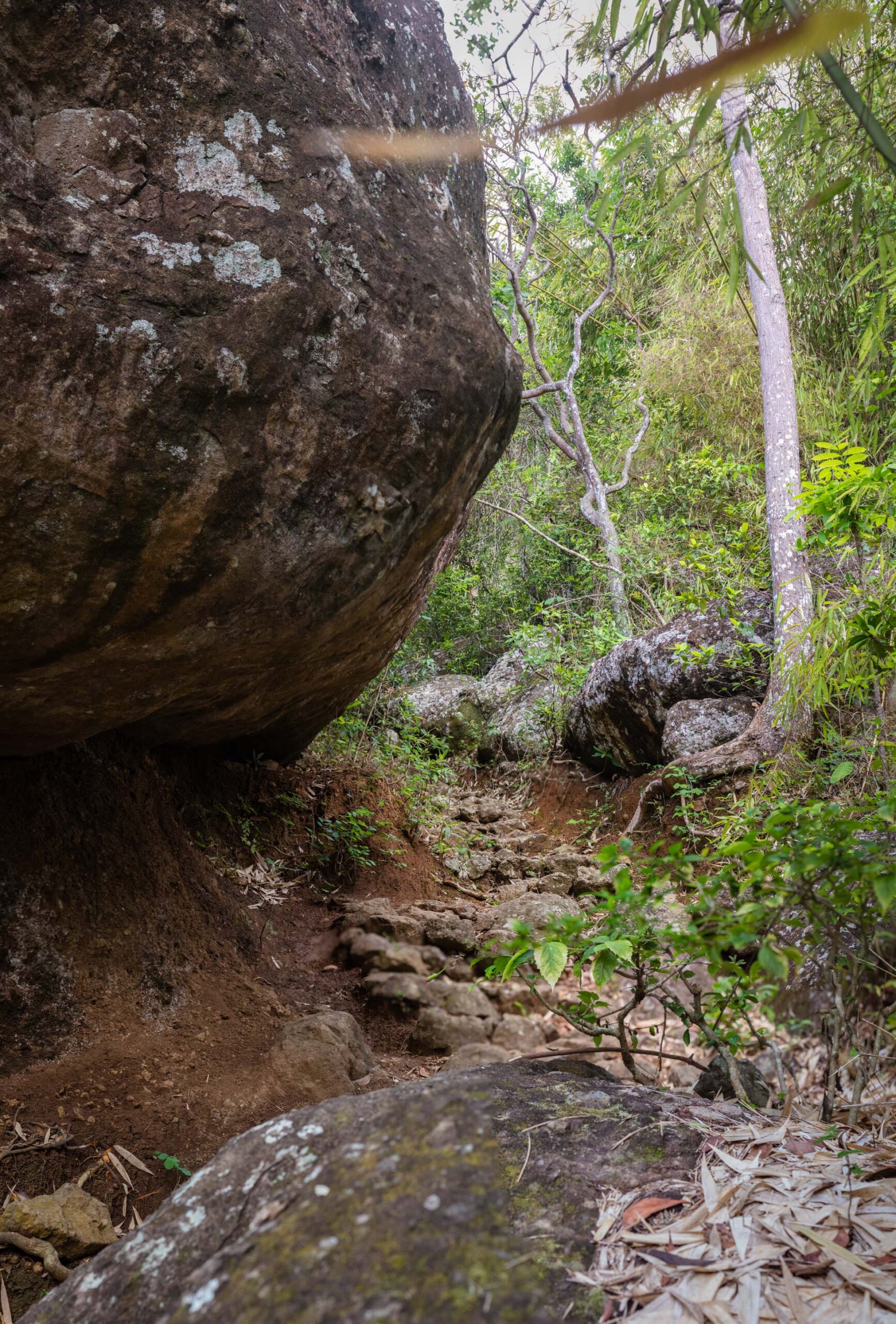
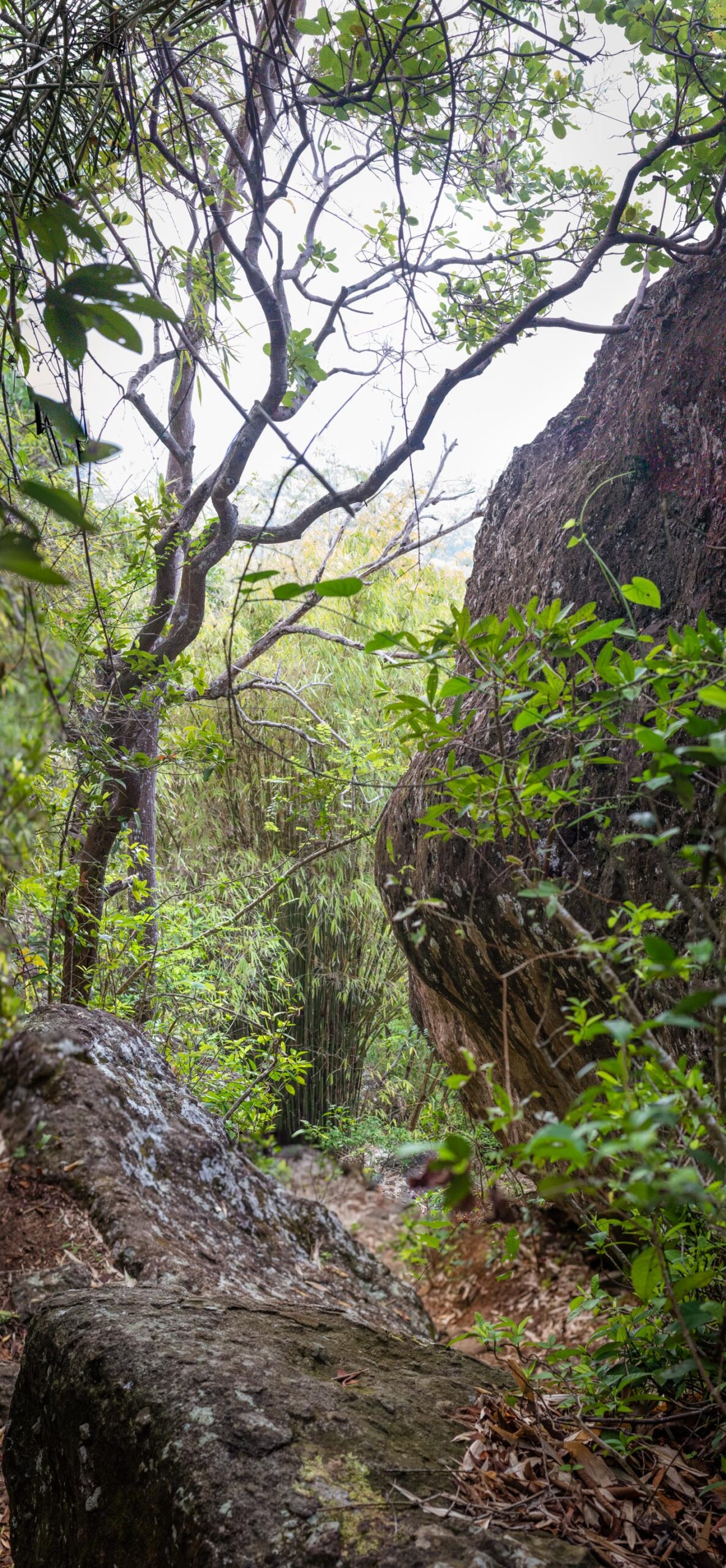
Field research is the starting point and main inspiration for most of my work. Selected locations that are close to my heart become the subjects of paintings, photographs, drawings, and objects. In addition to the visual layer resulting from the specificity of a given ecosystem, I refer to the dynamics of change and the circulation of matter, as well as the mechanisms that occur in the formation of the terrain (geomorphology).
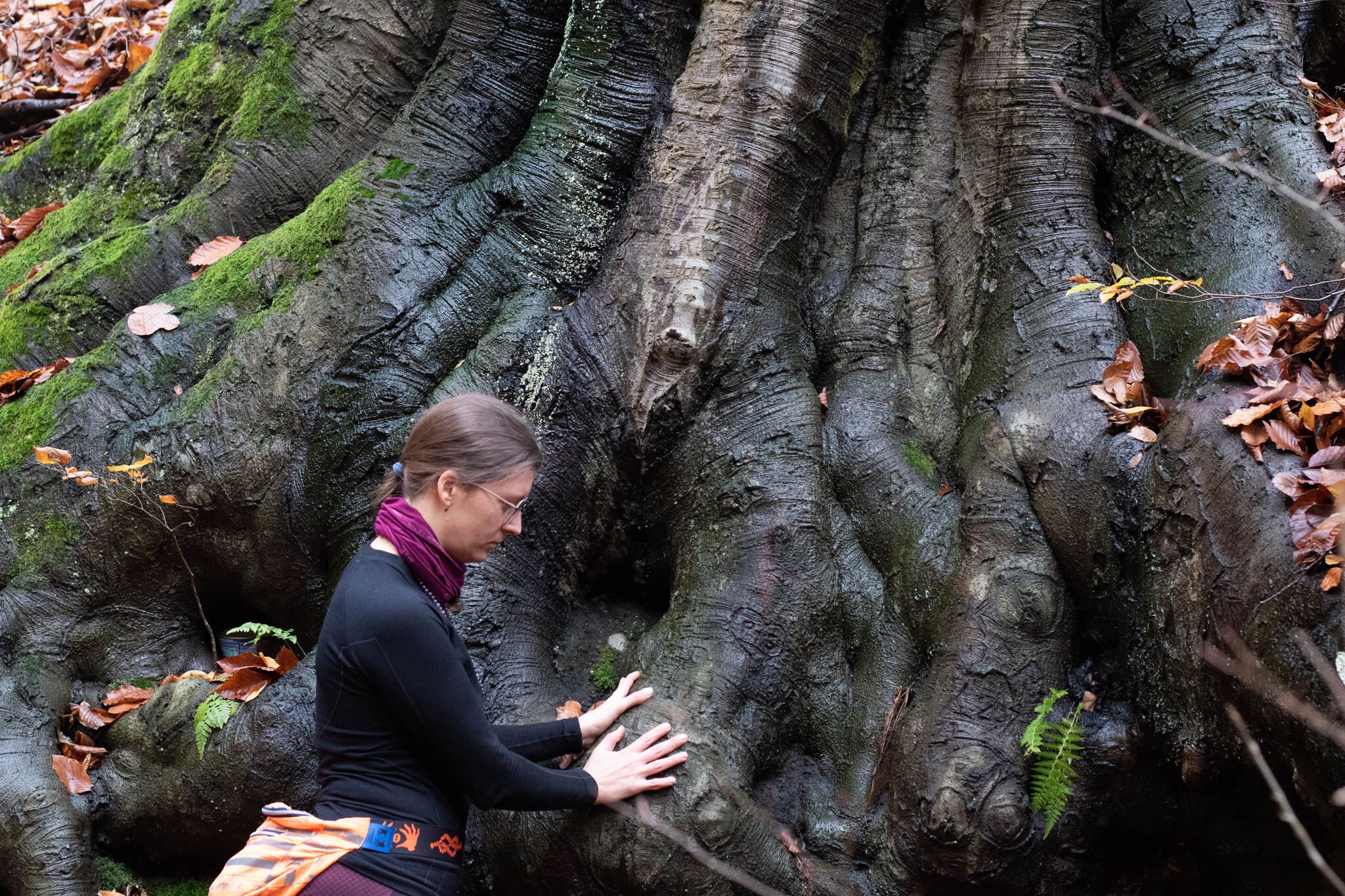
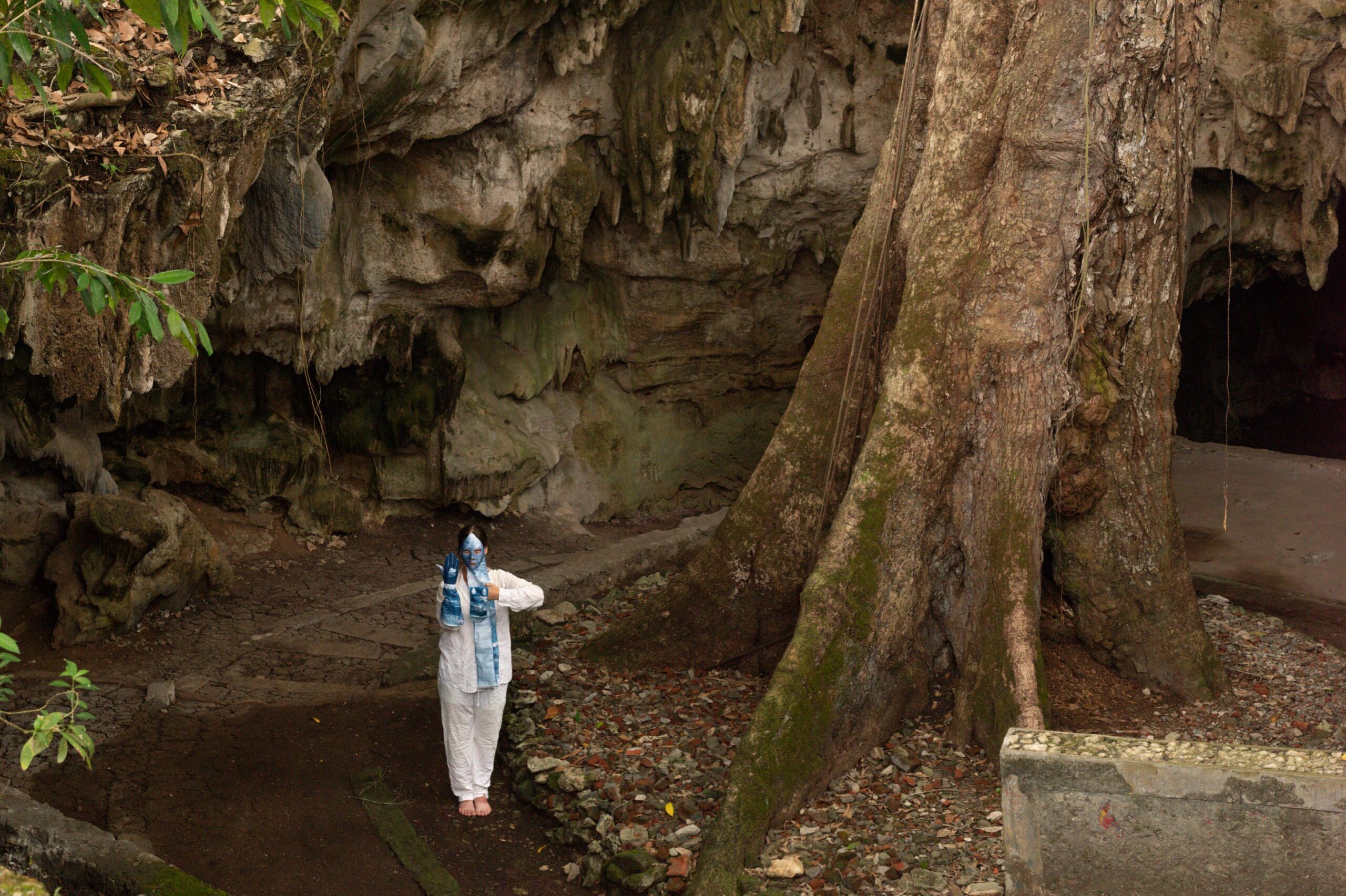
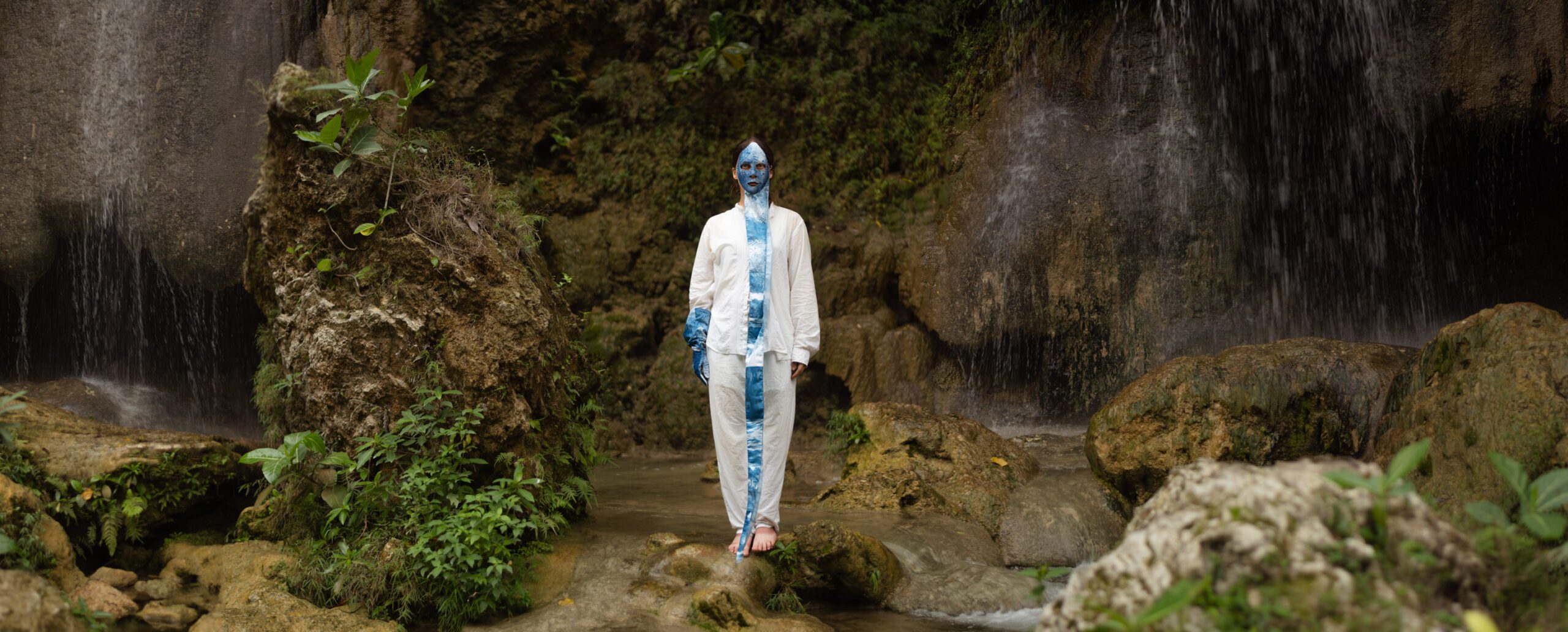
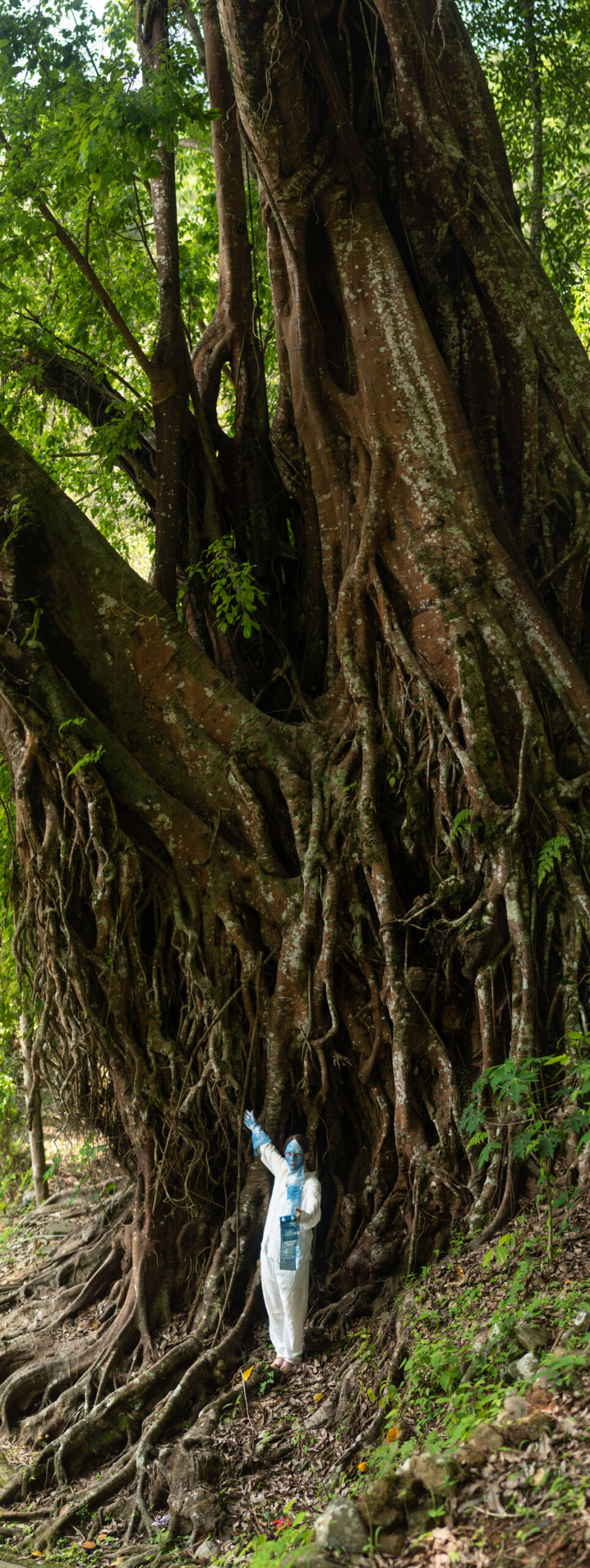
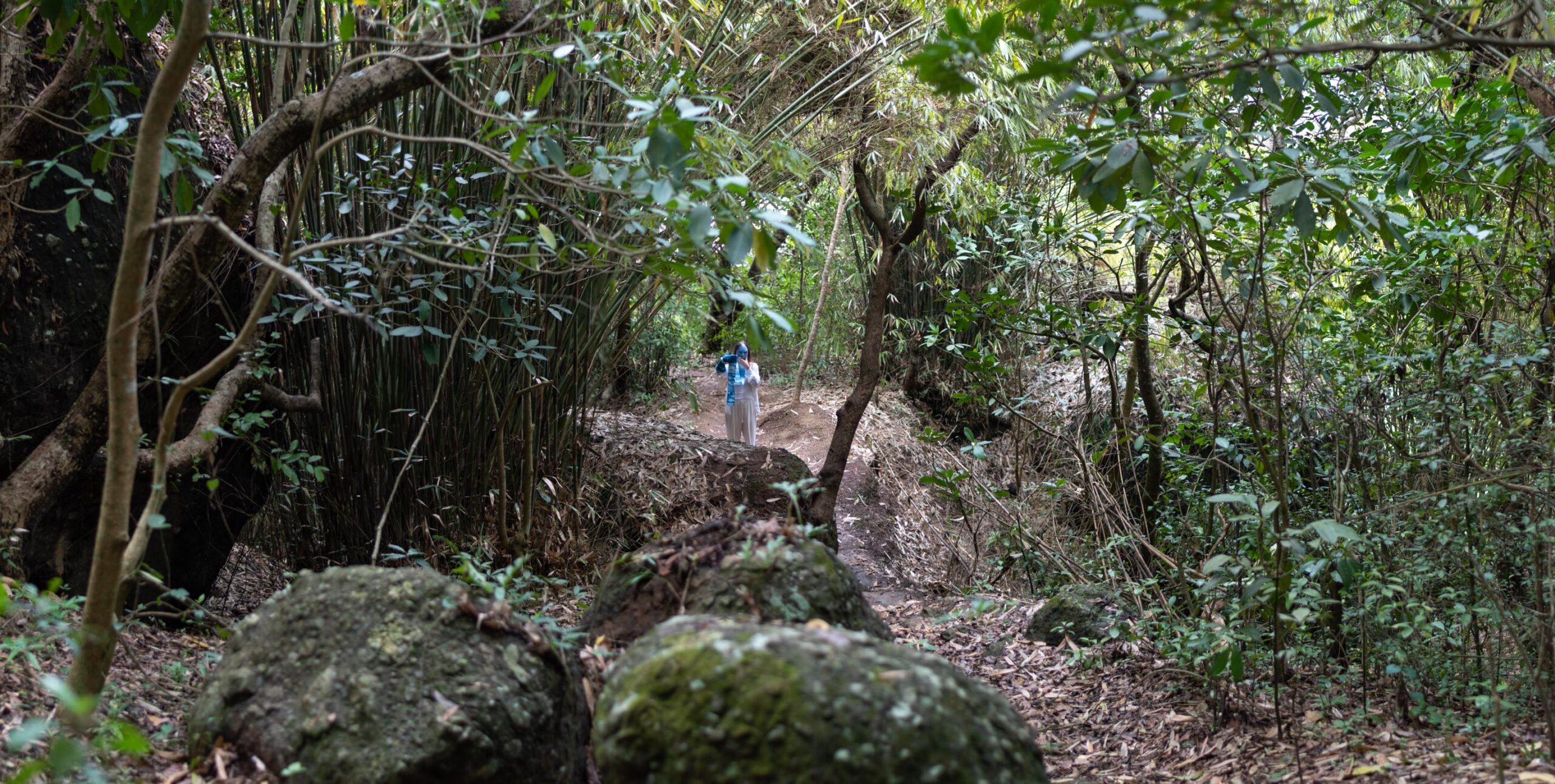
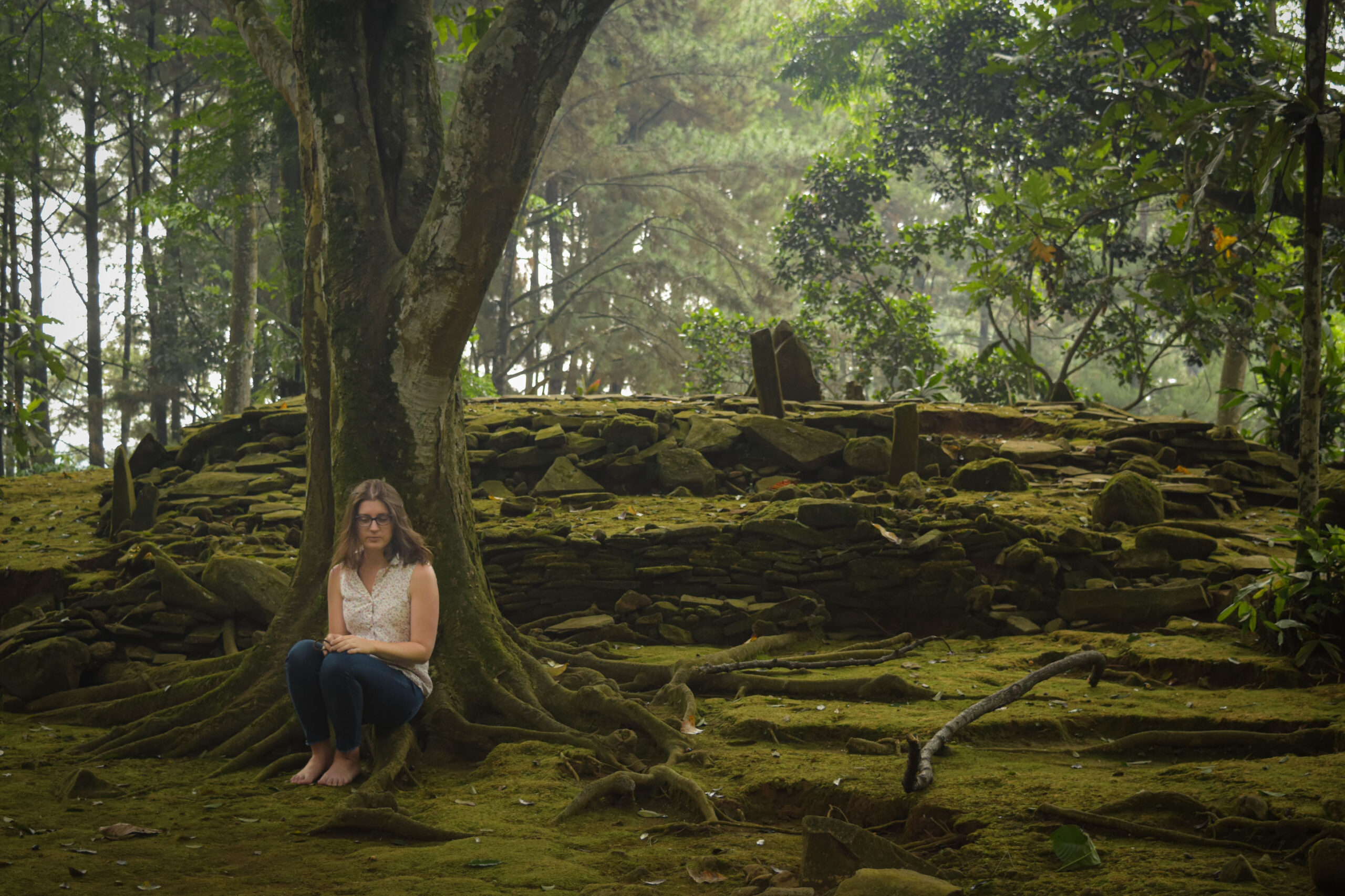
Water, rocks, soil, and vegetation are the subject of my work, not the background. I present nature as active, causative, and reality-creating. Although the human figure appears in selected works, it is always treated as part of the landscape. Man immerses himself in his surroundings, intertwining seamlessly with vegetation, subject to the same mechanisms that shape the terrain.
Field research on ecosystems and landscape forms
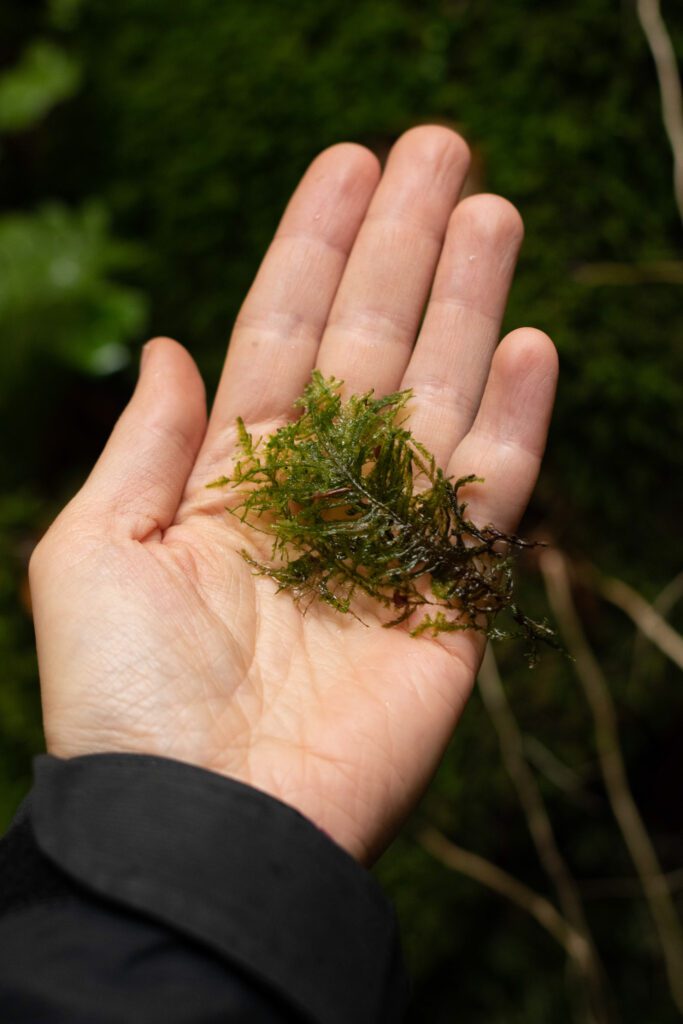
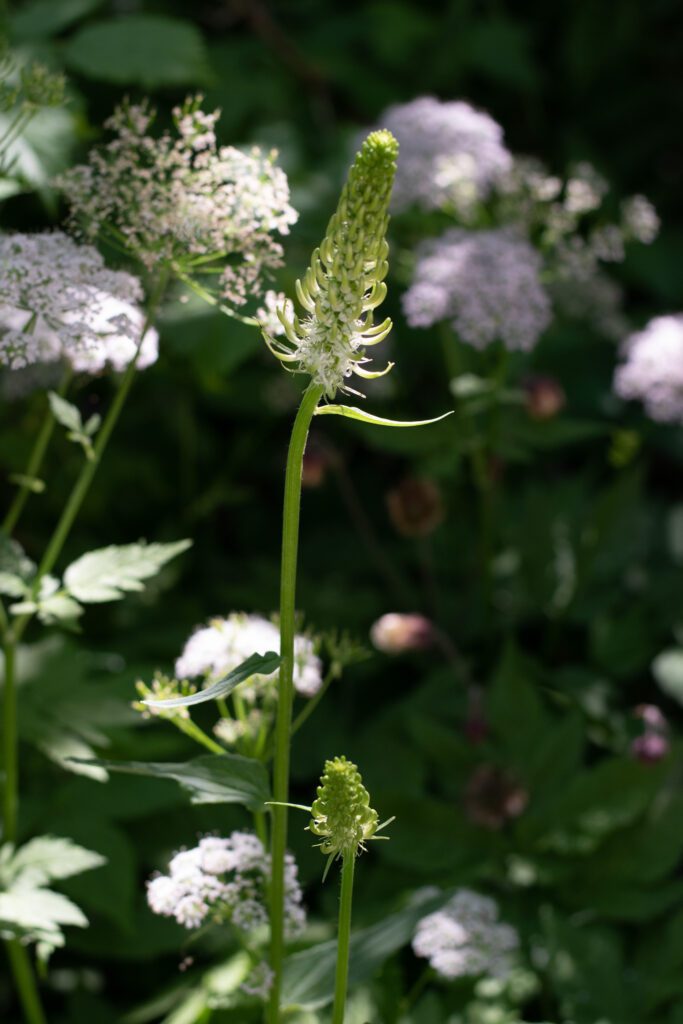
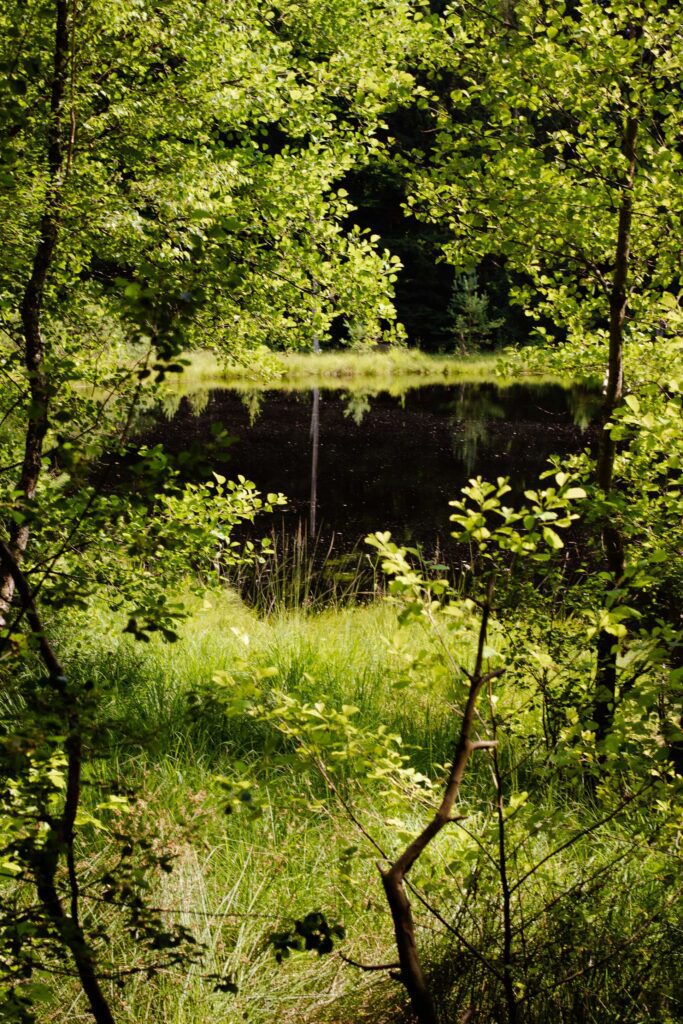
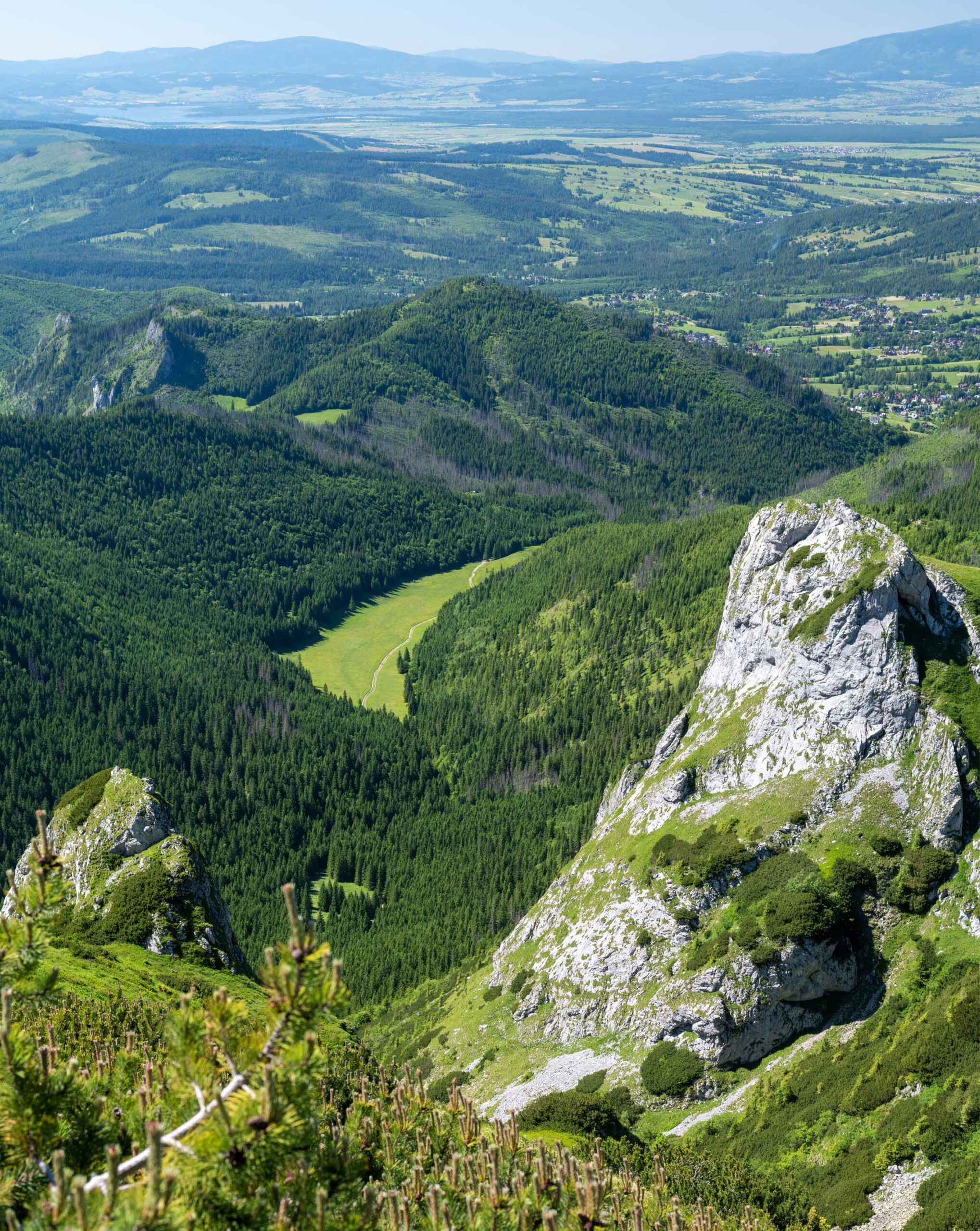
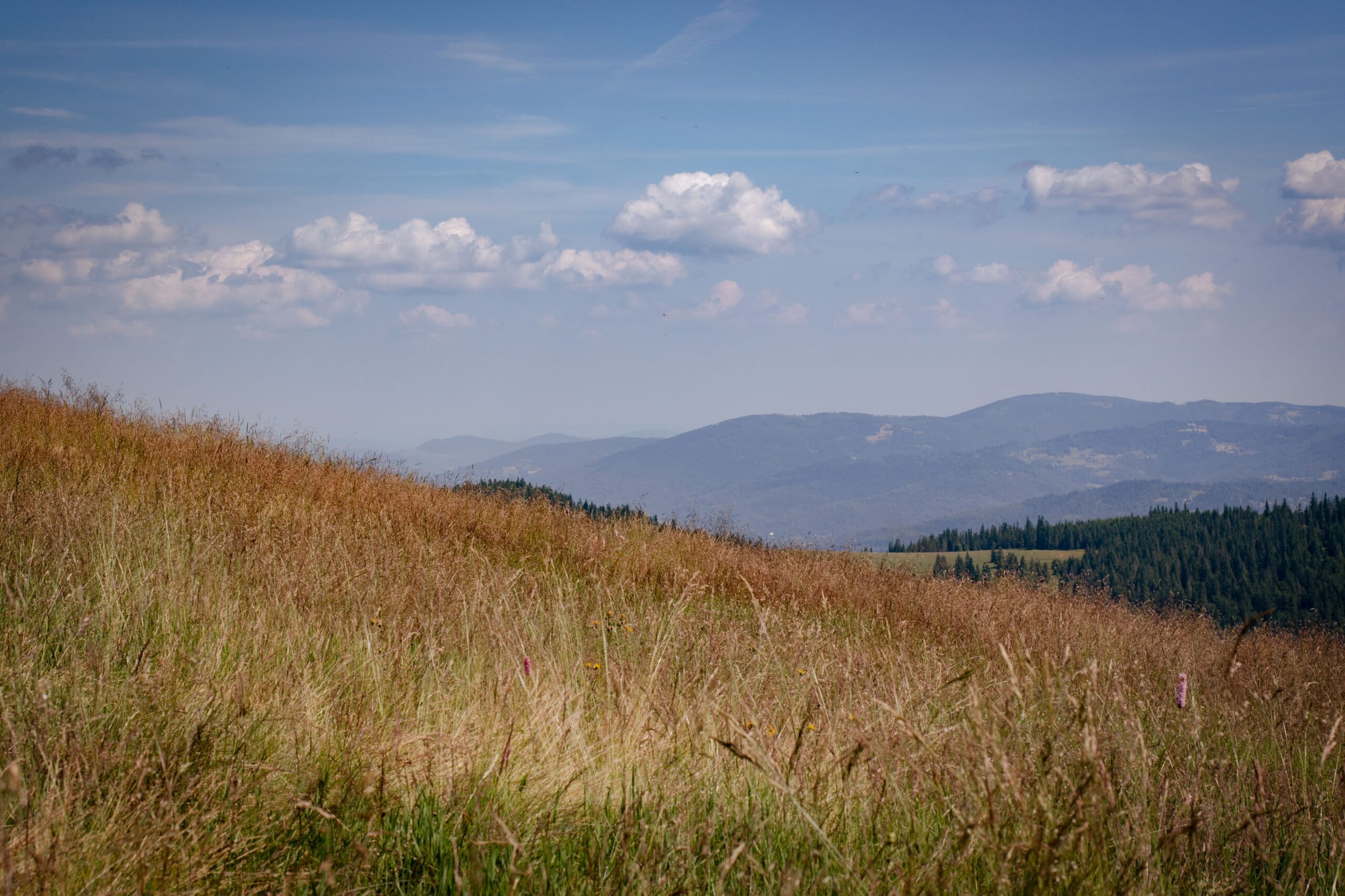
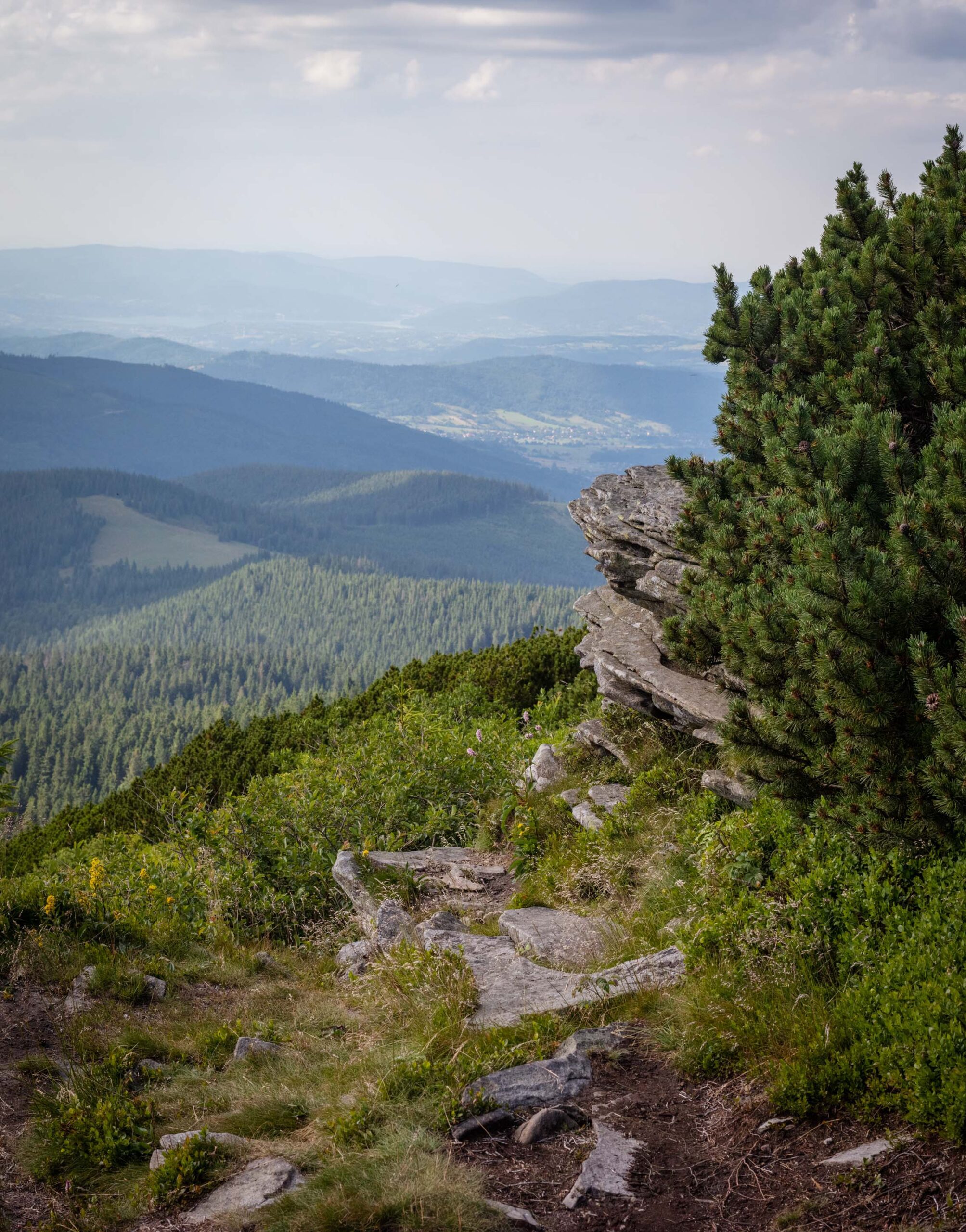
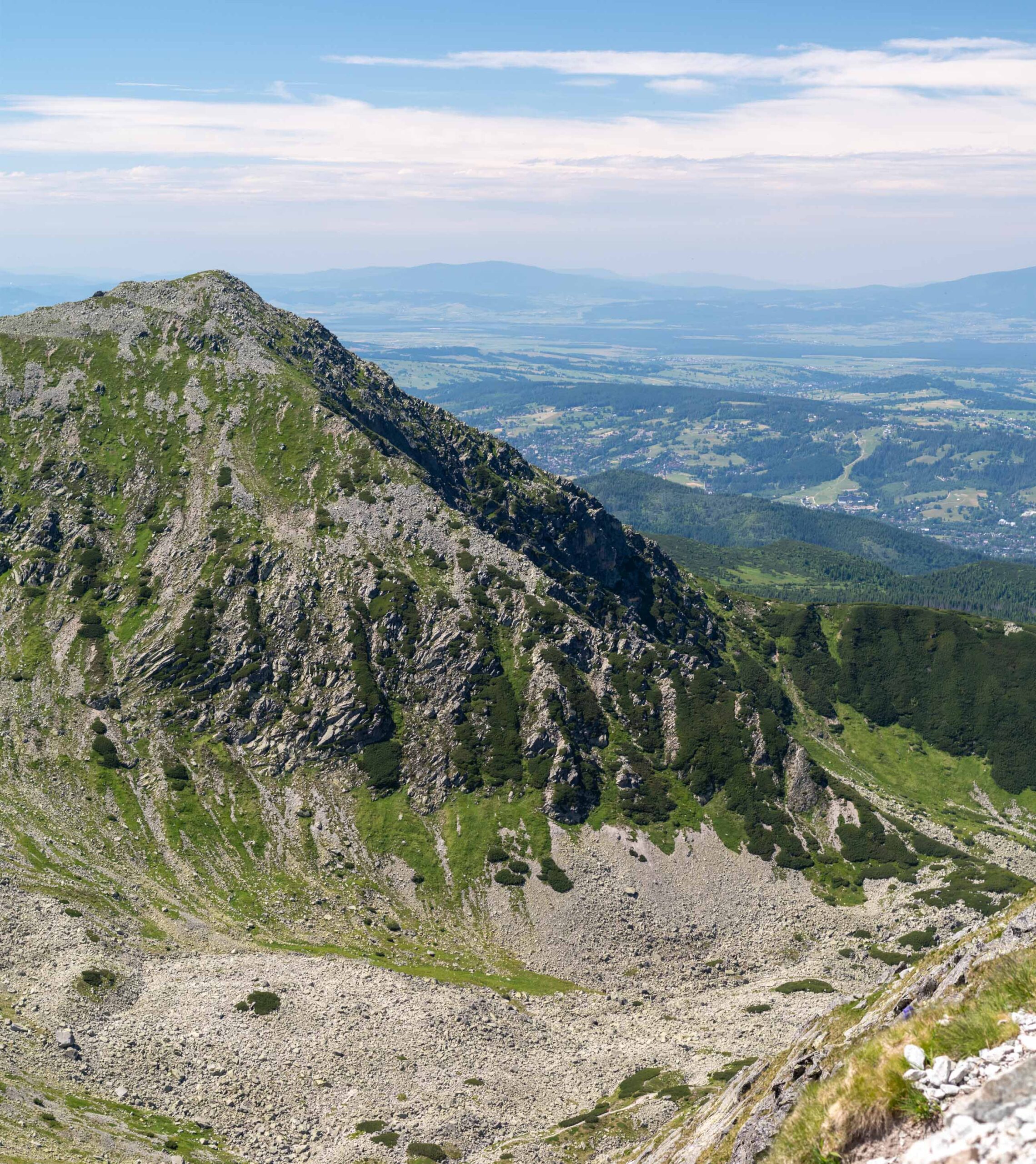
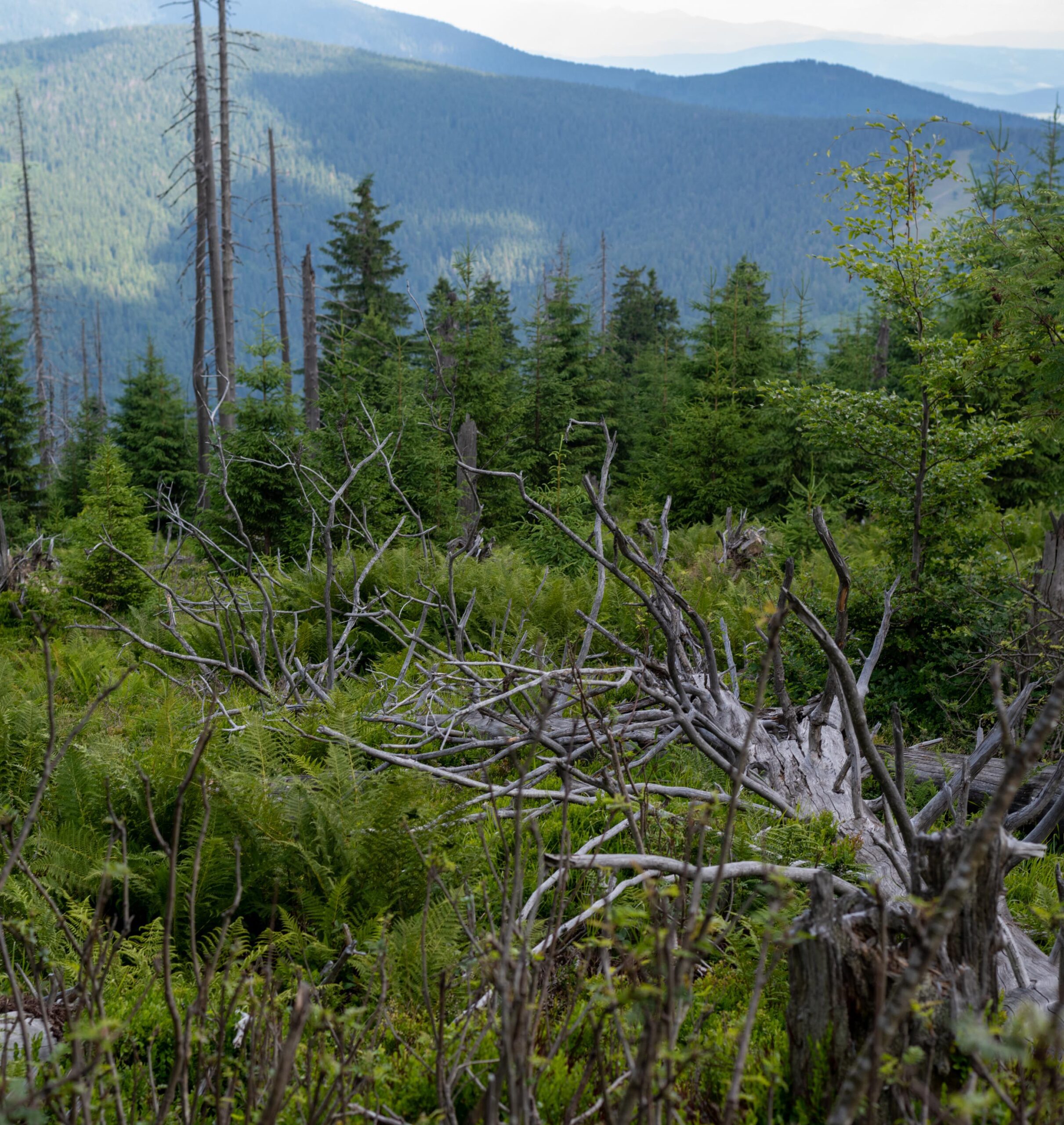
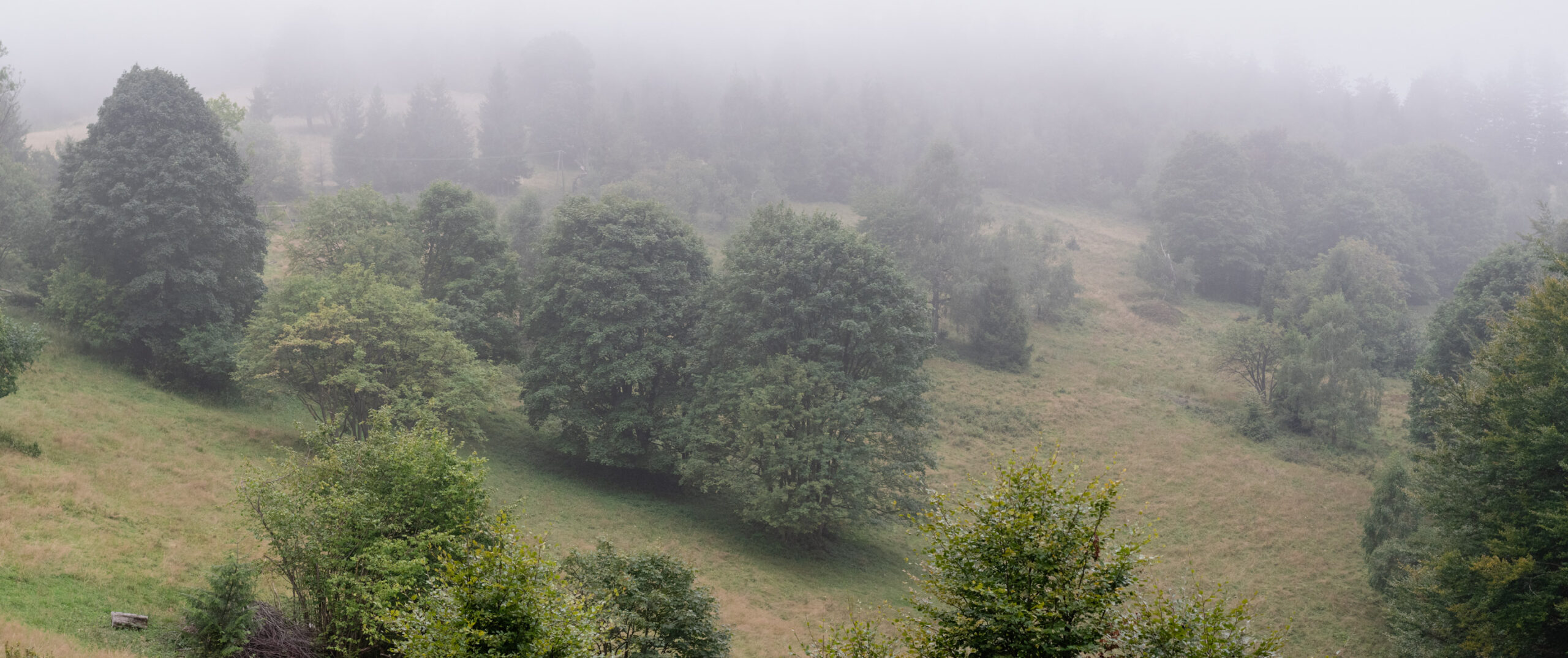
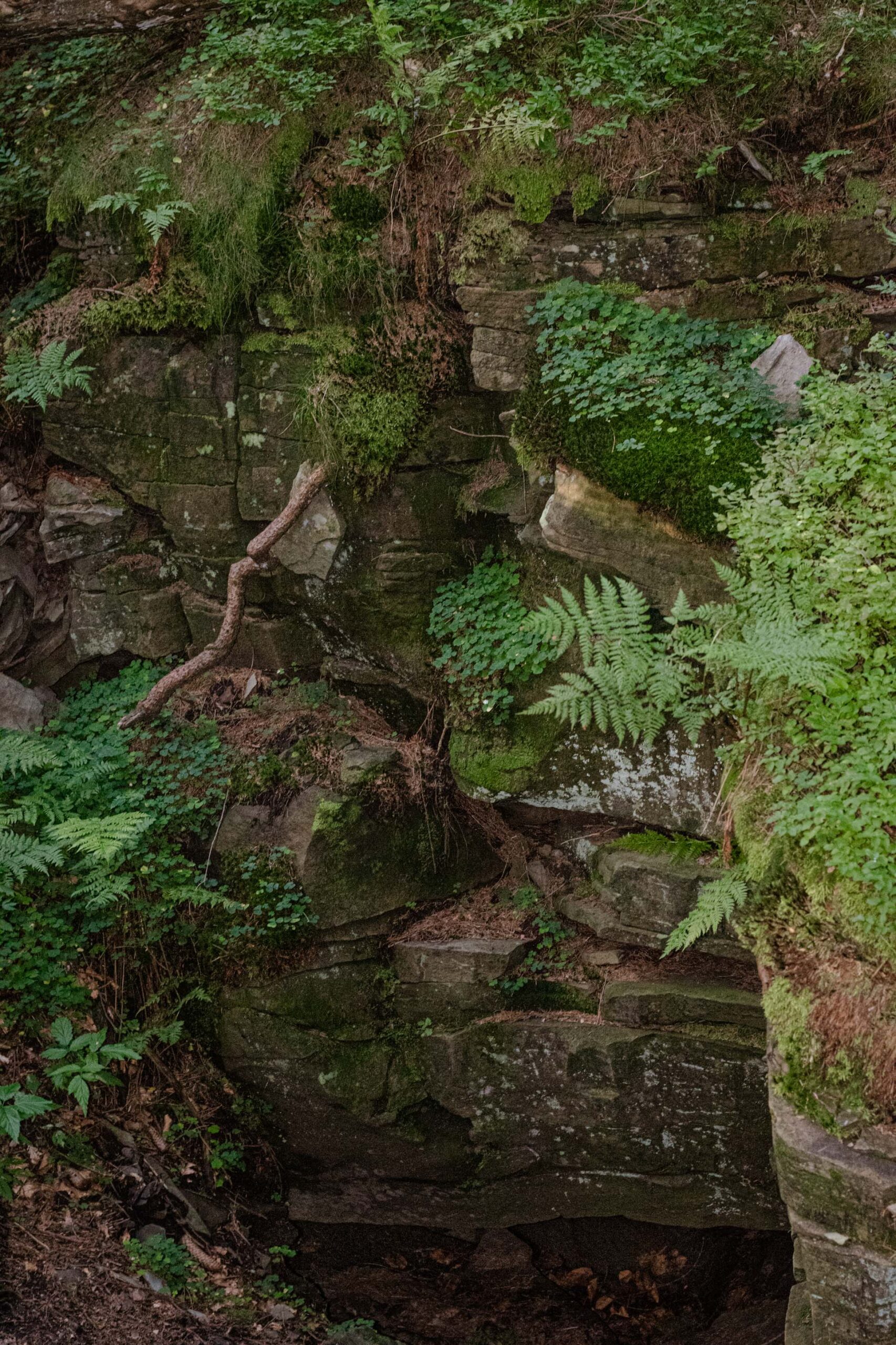
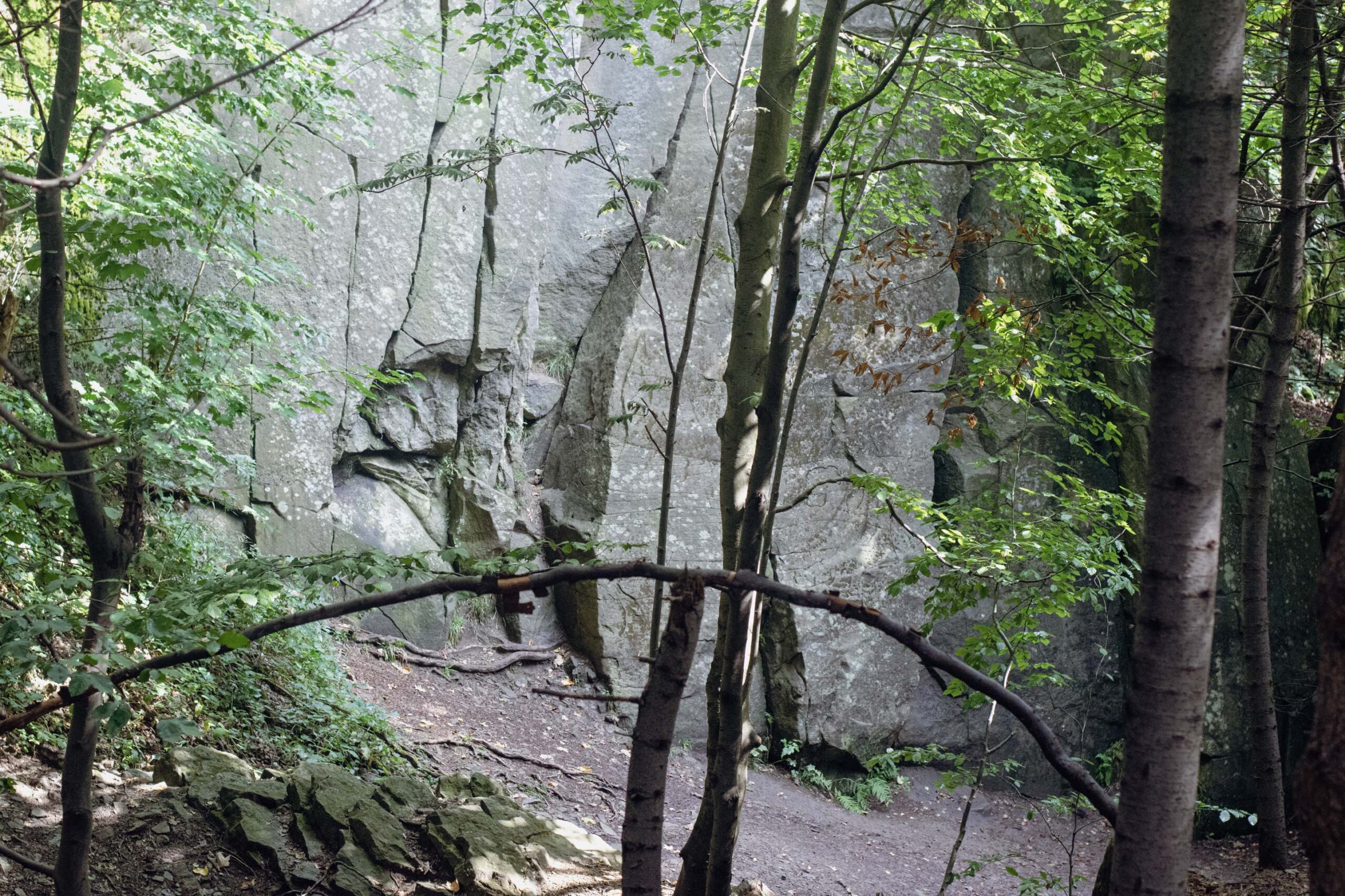
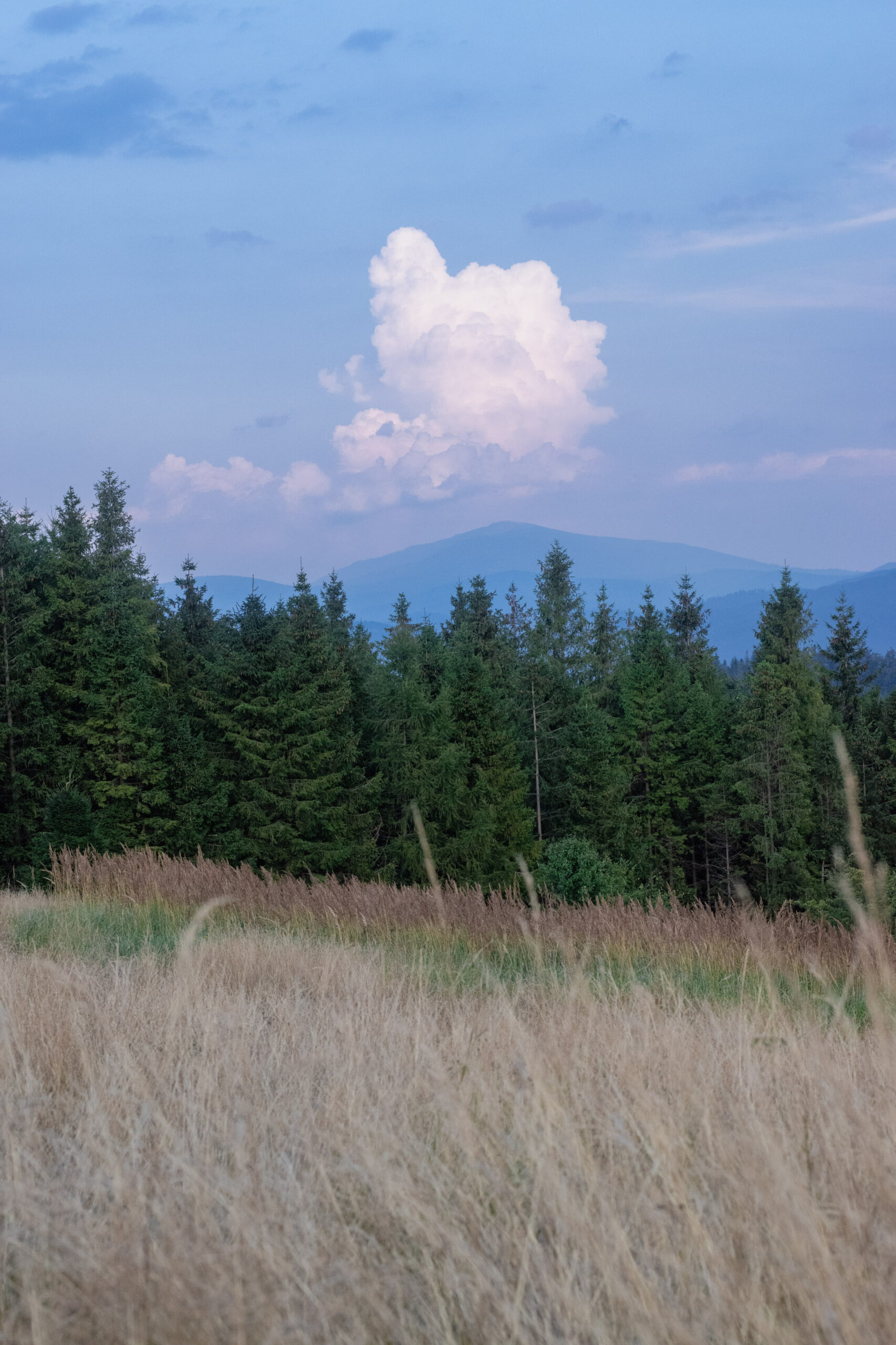
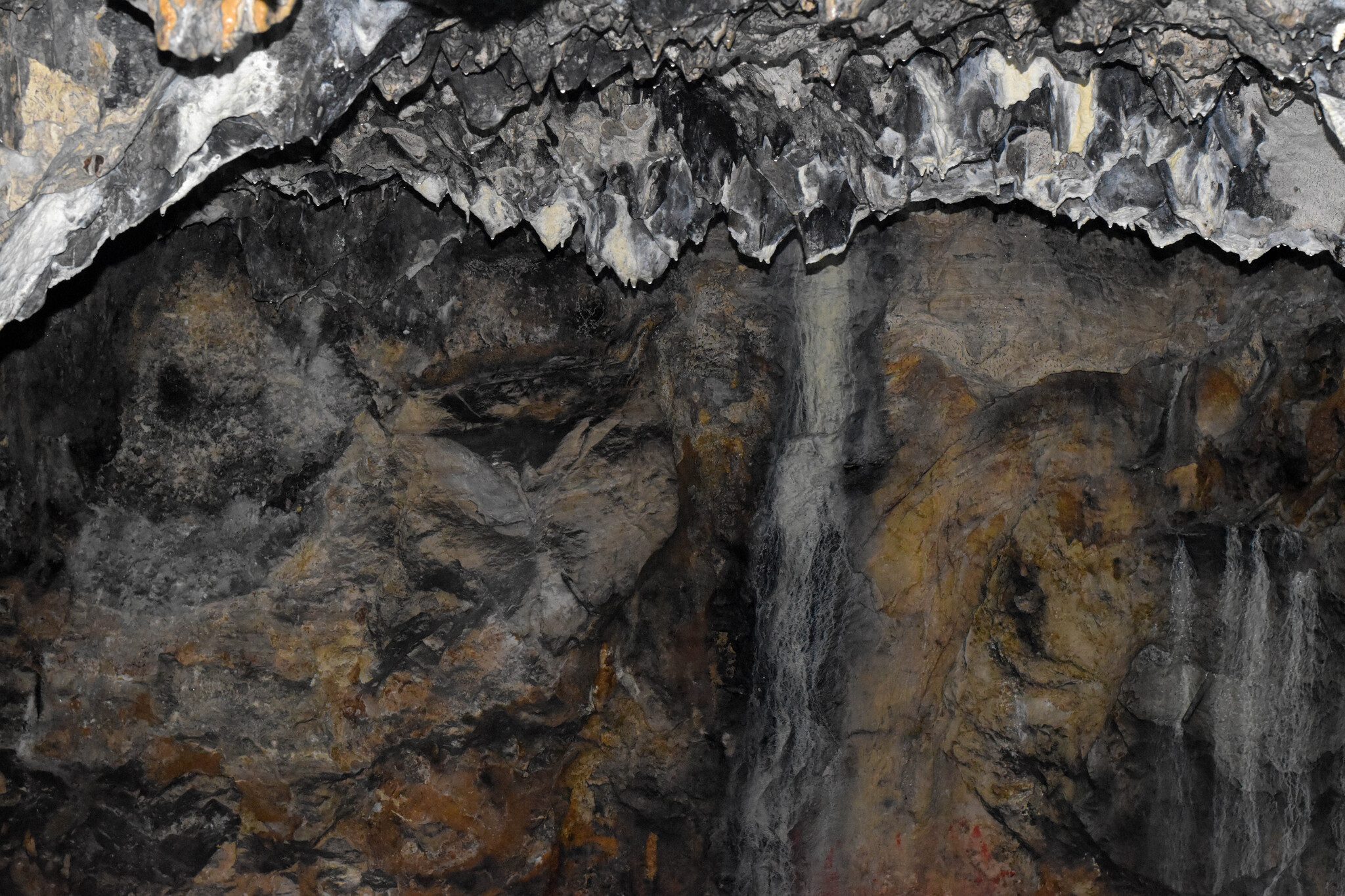
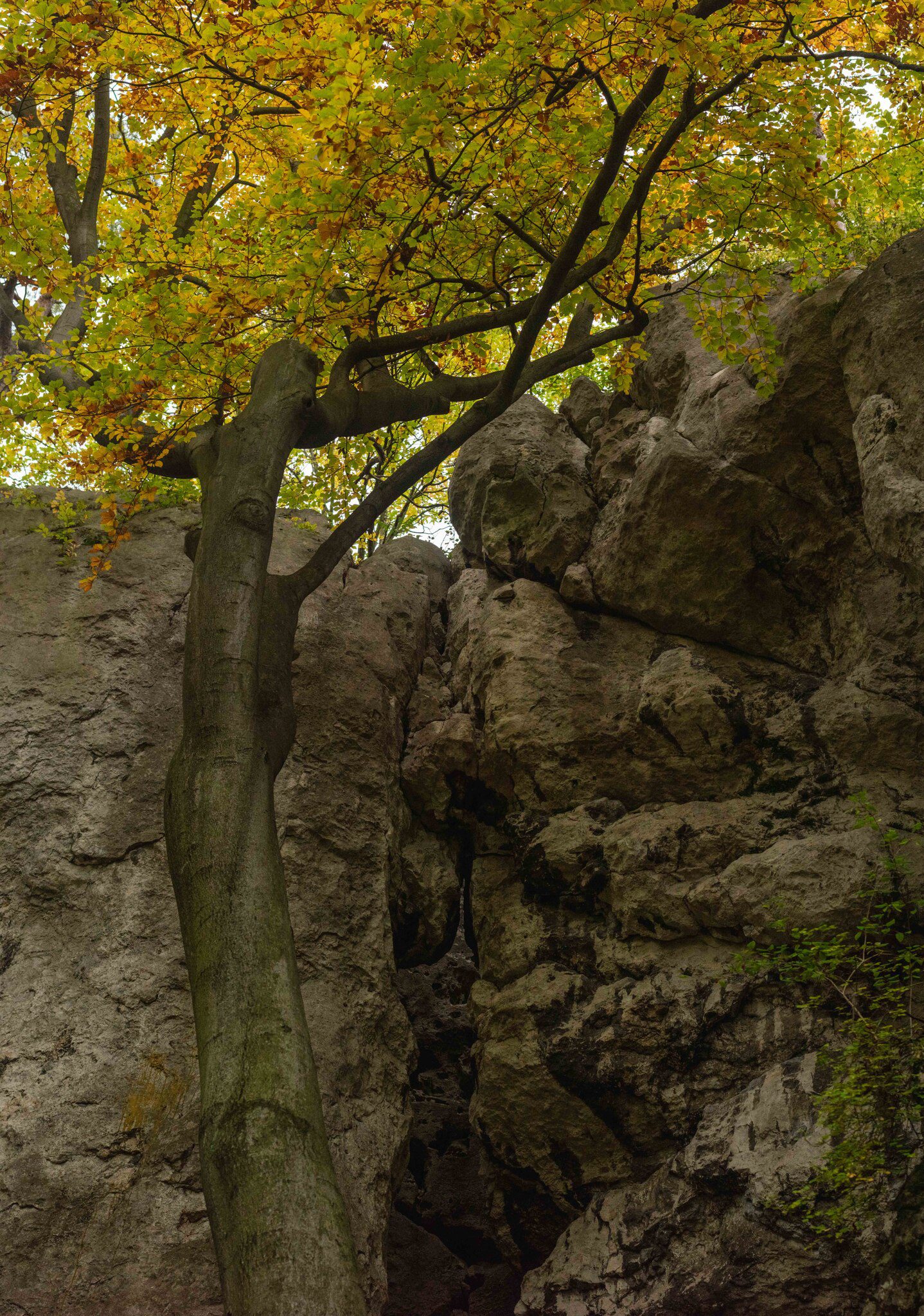
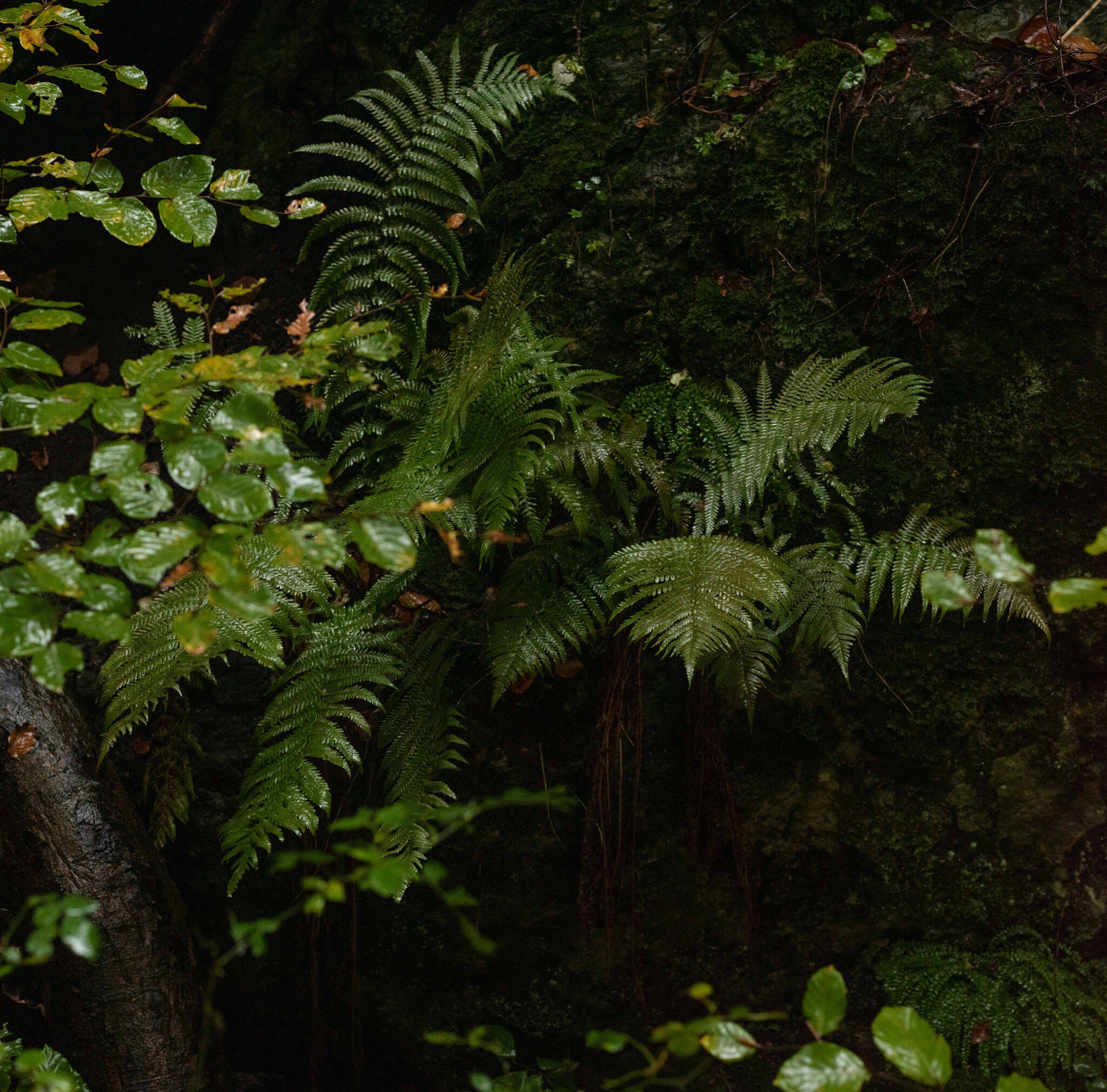
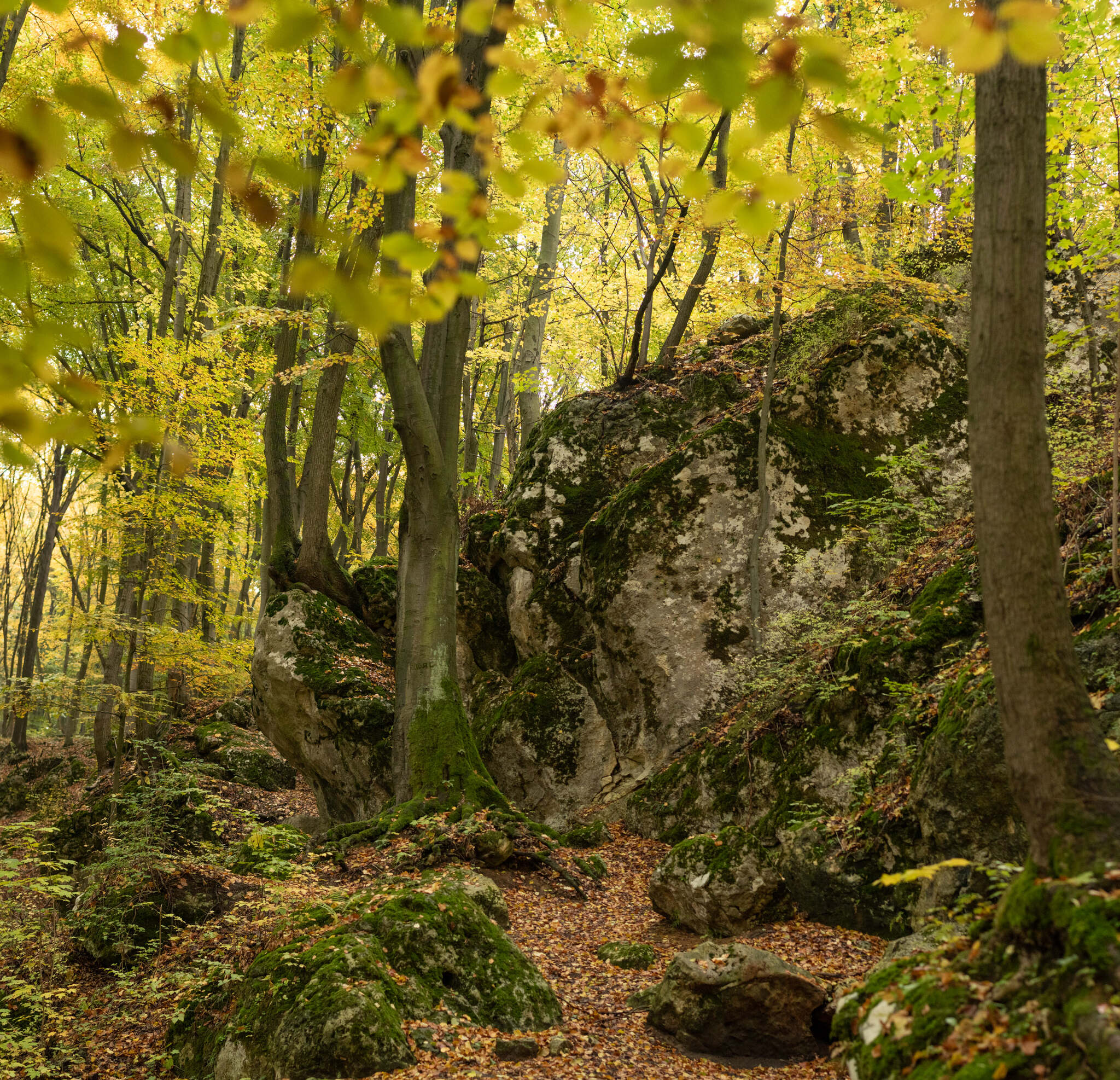
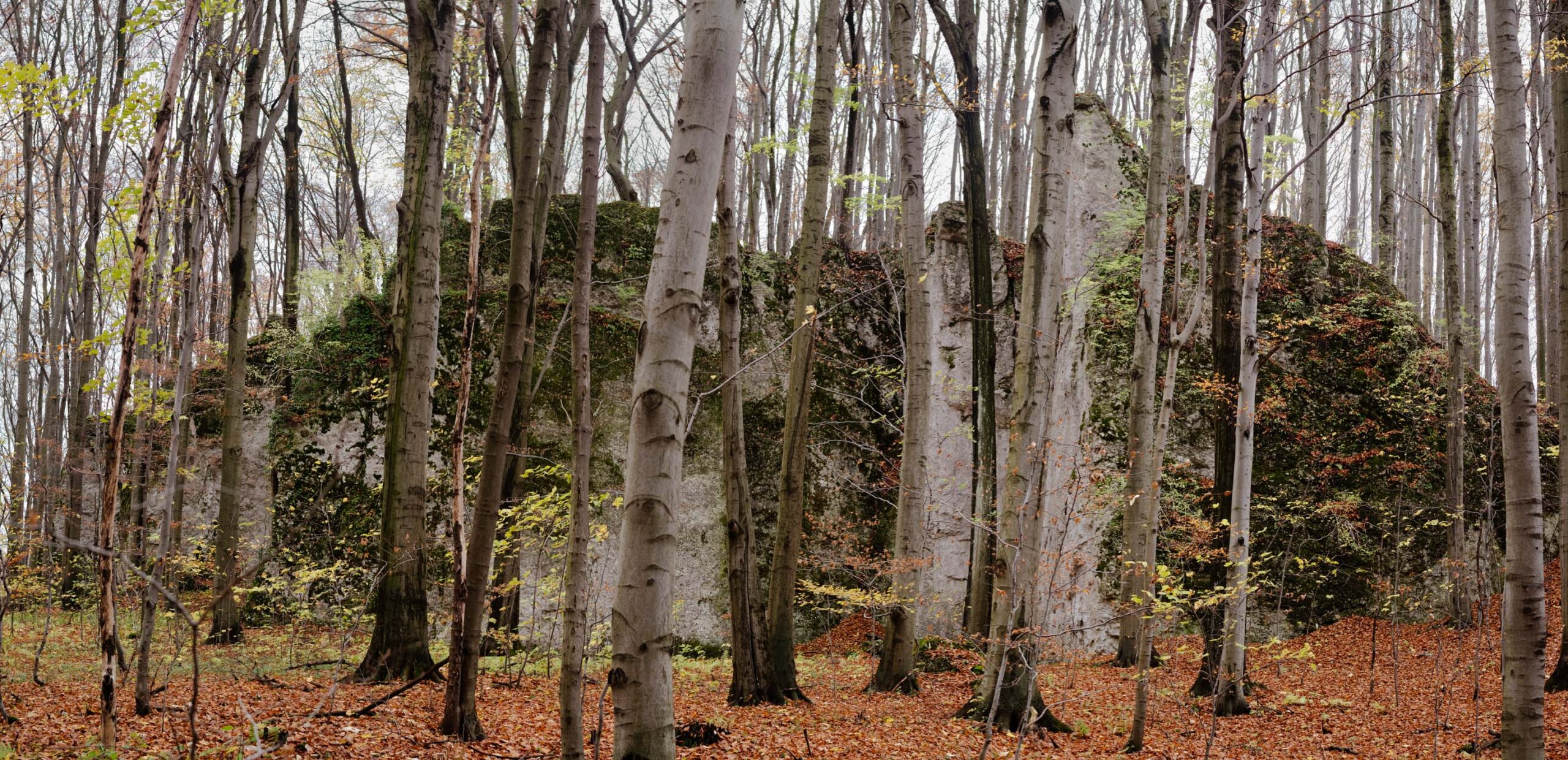
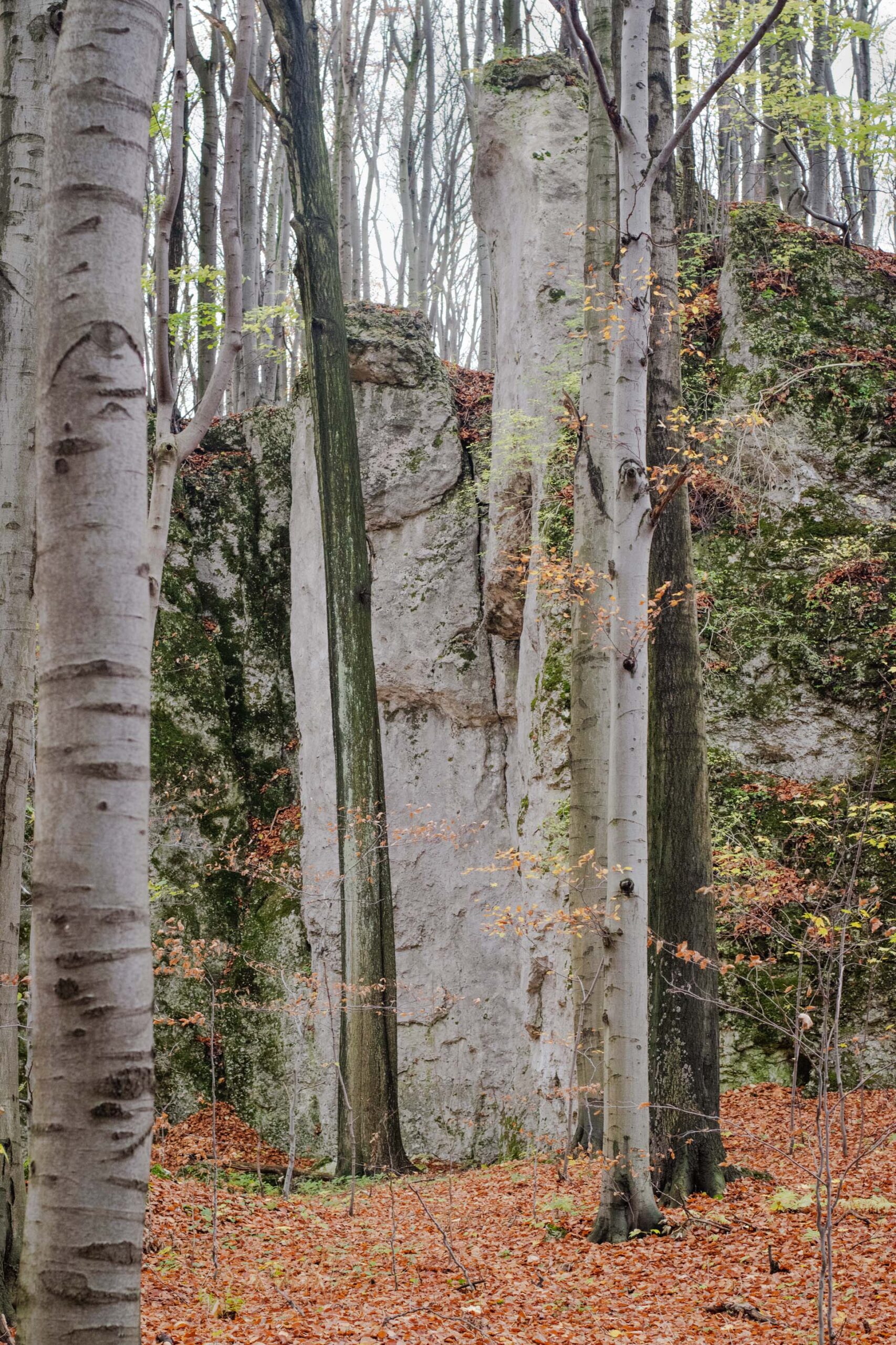
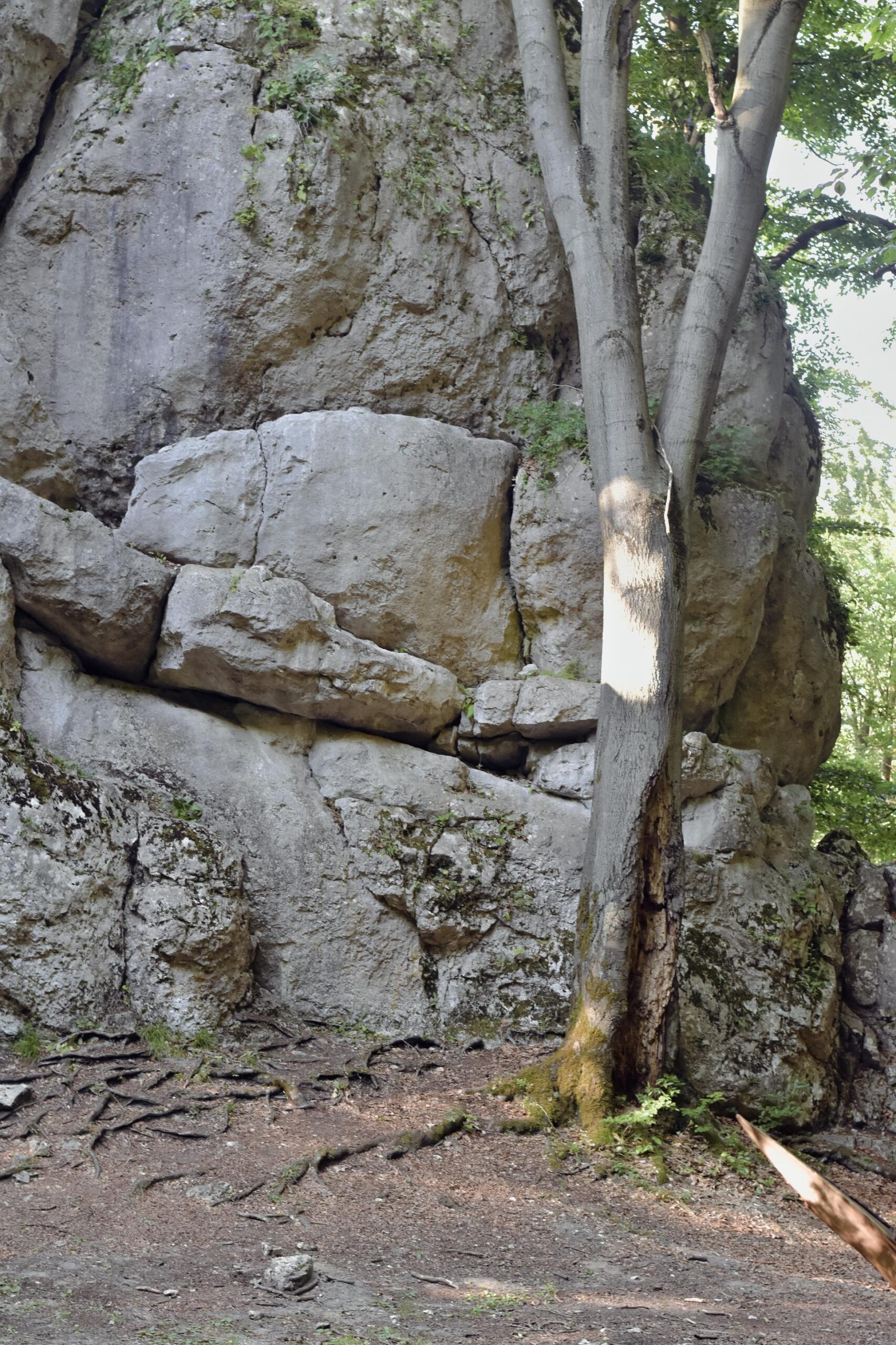
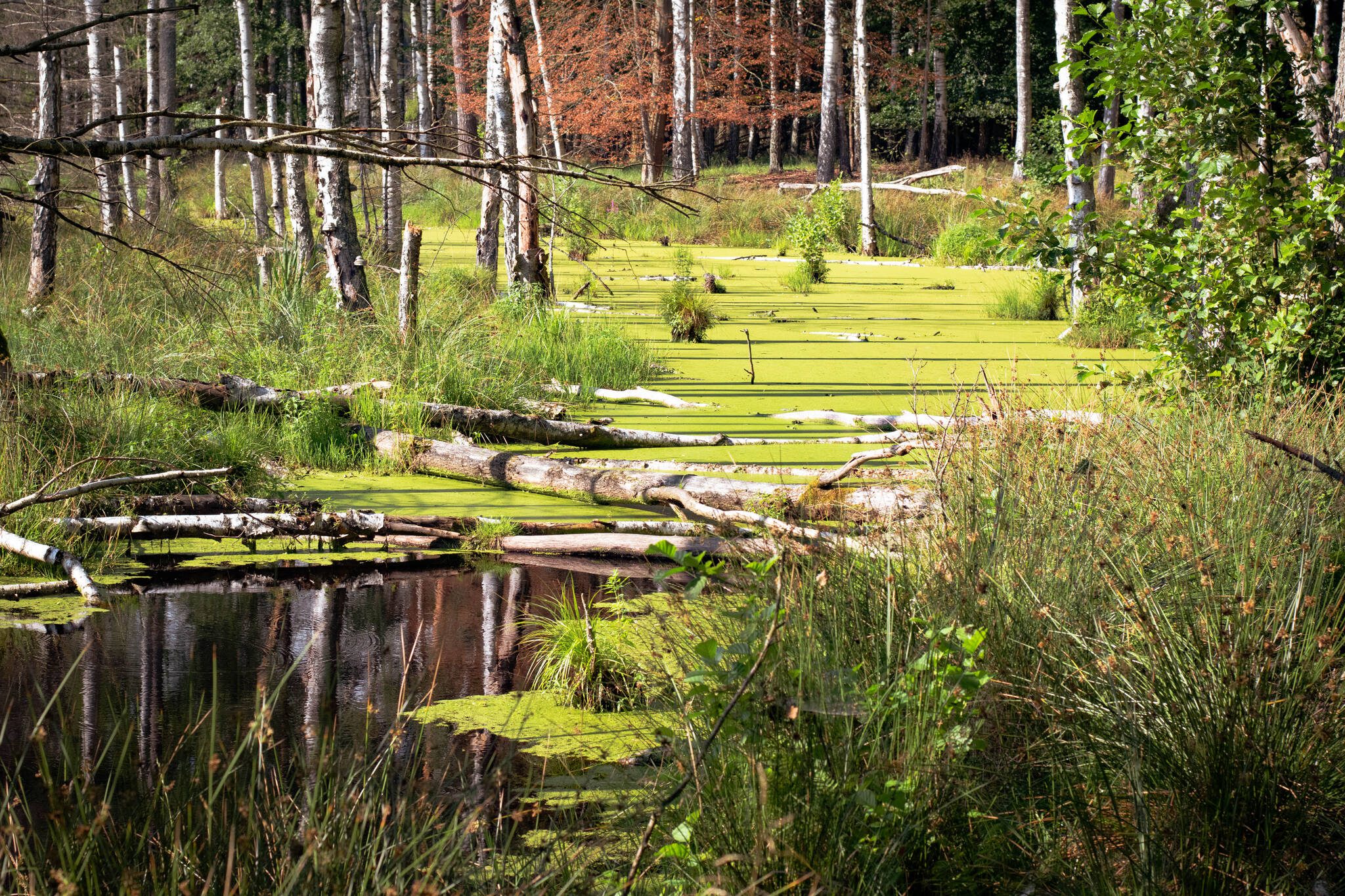
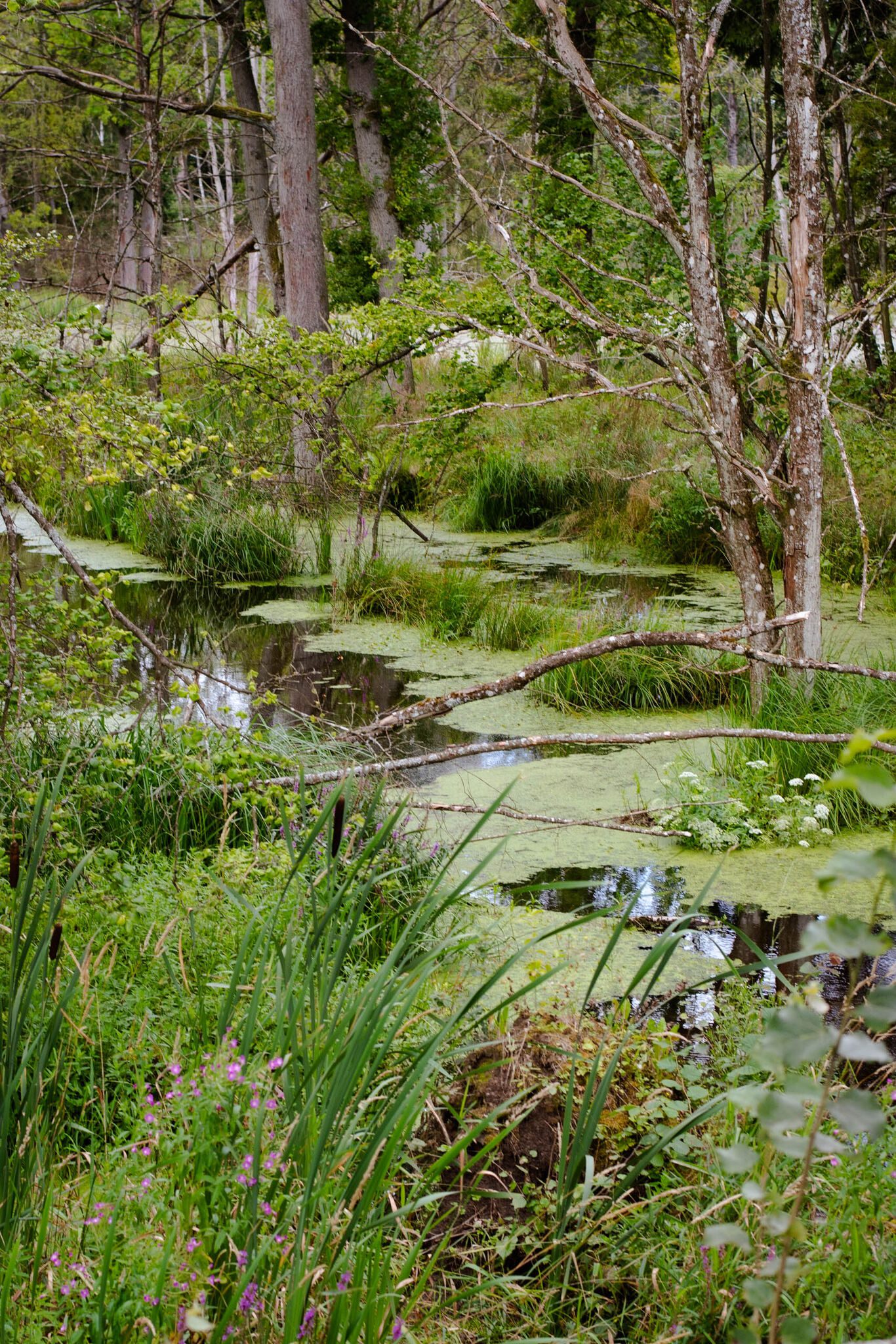
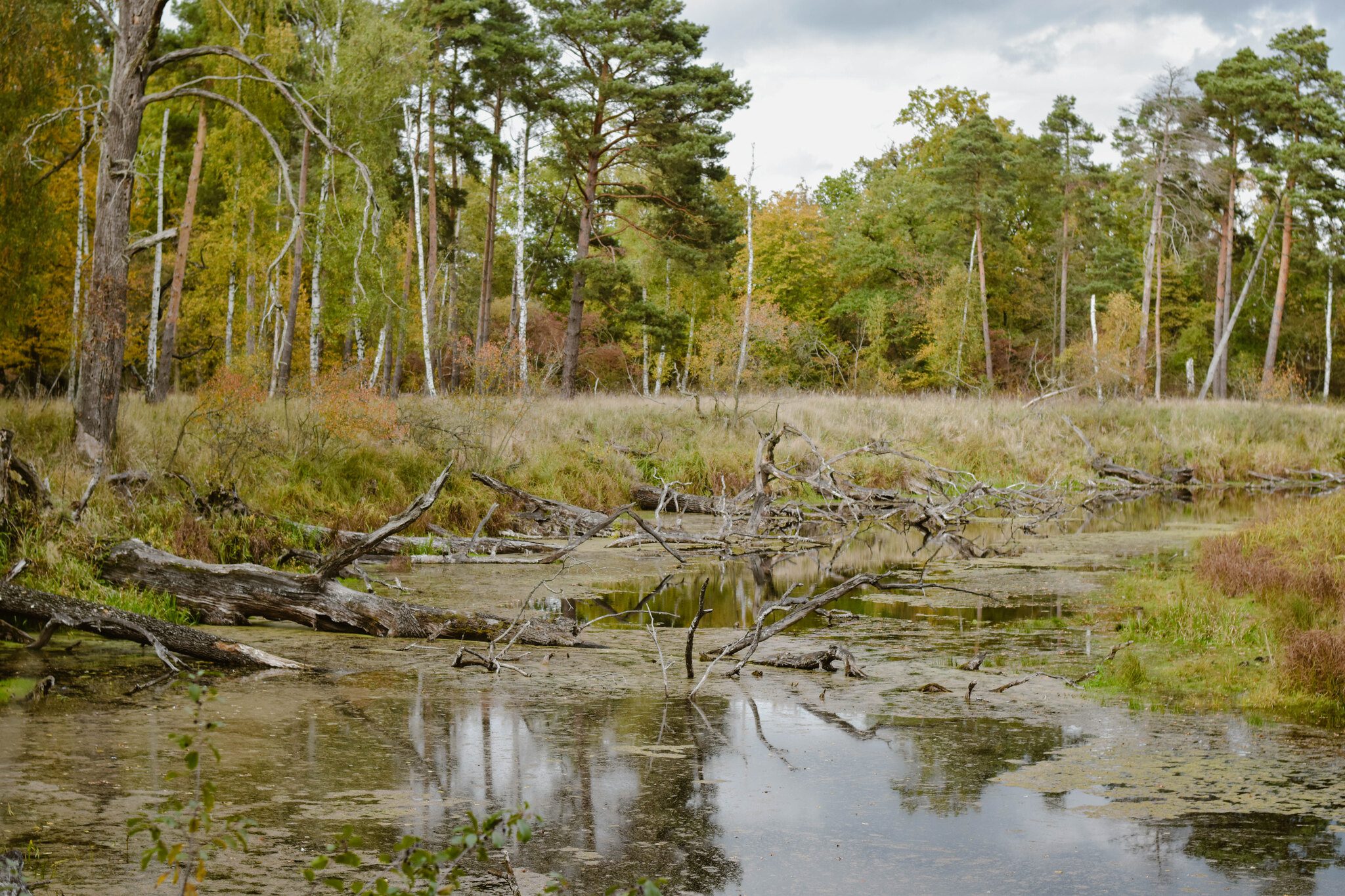
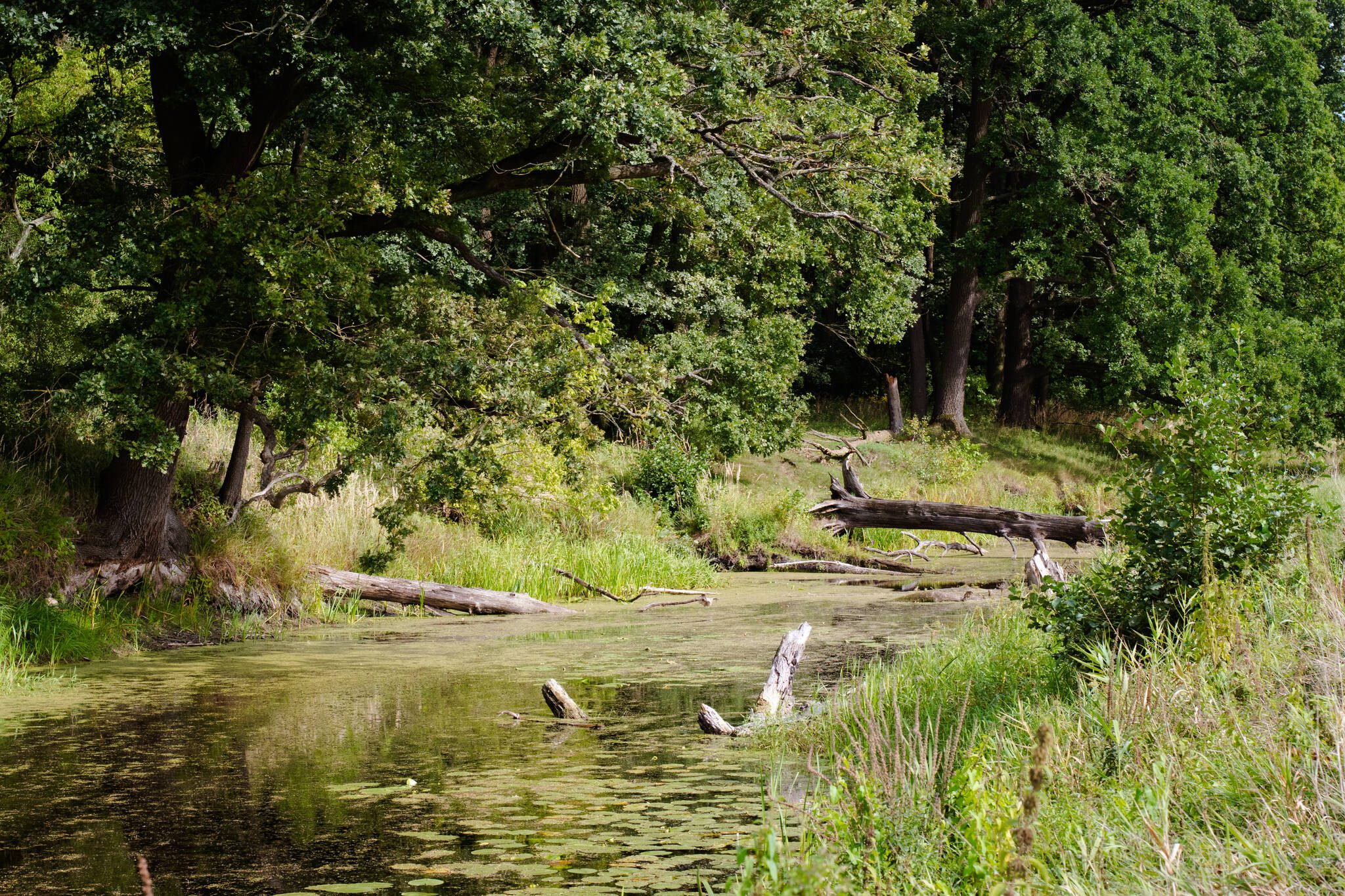
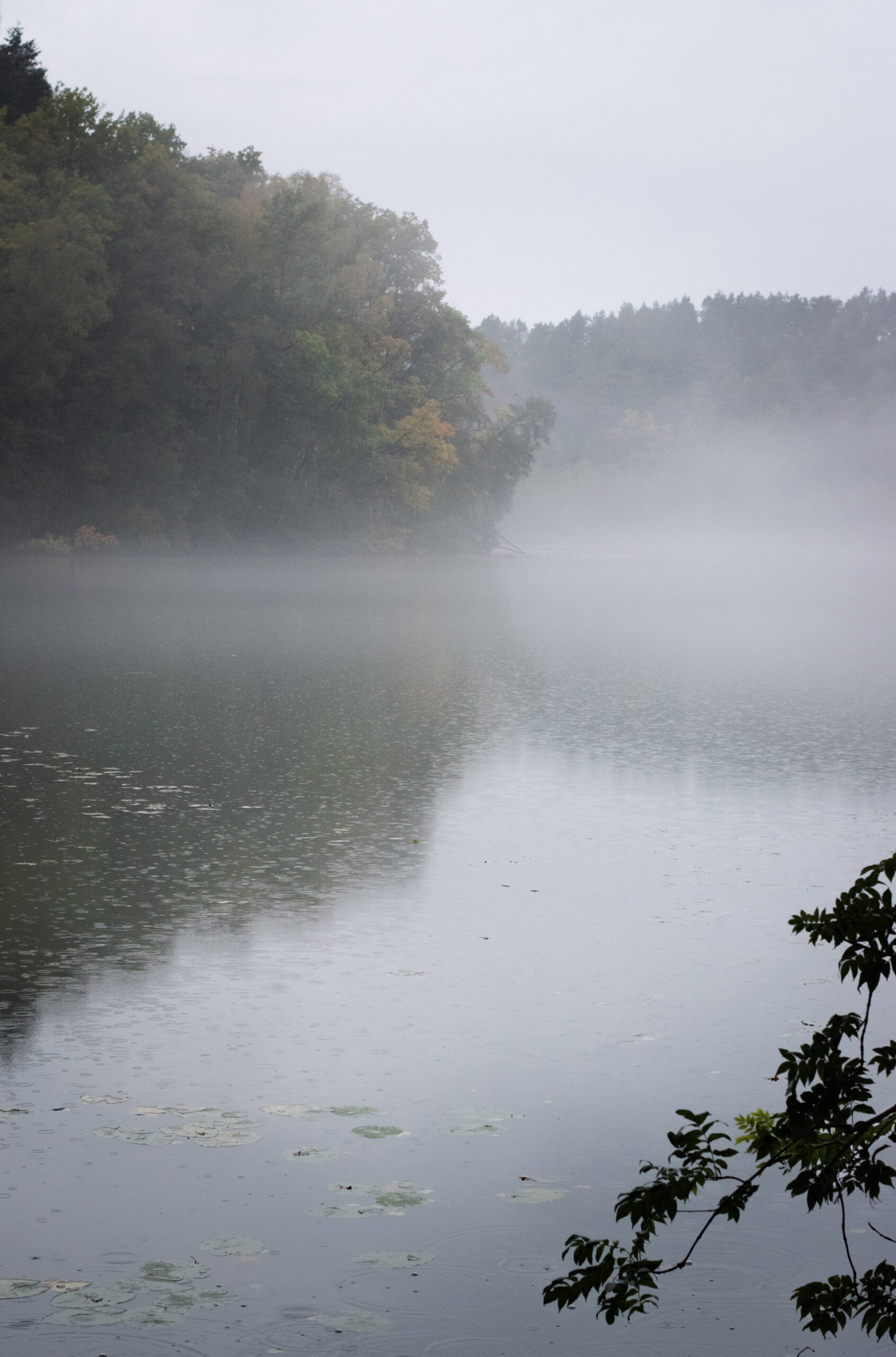
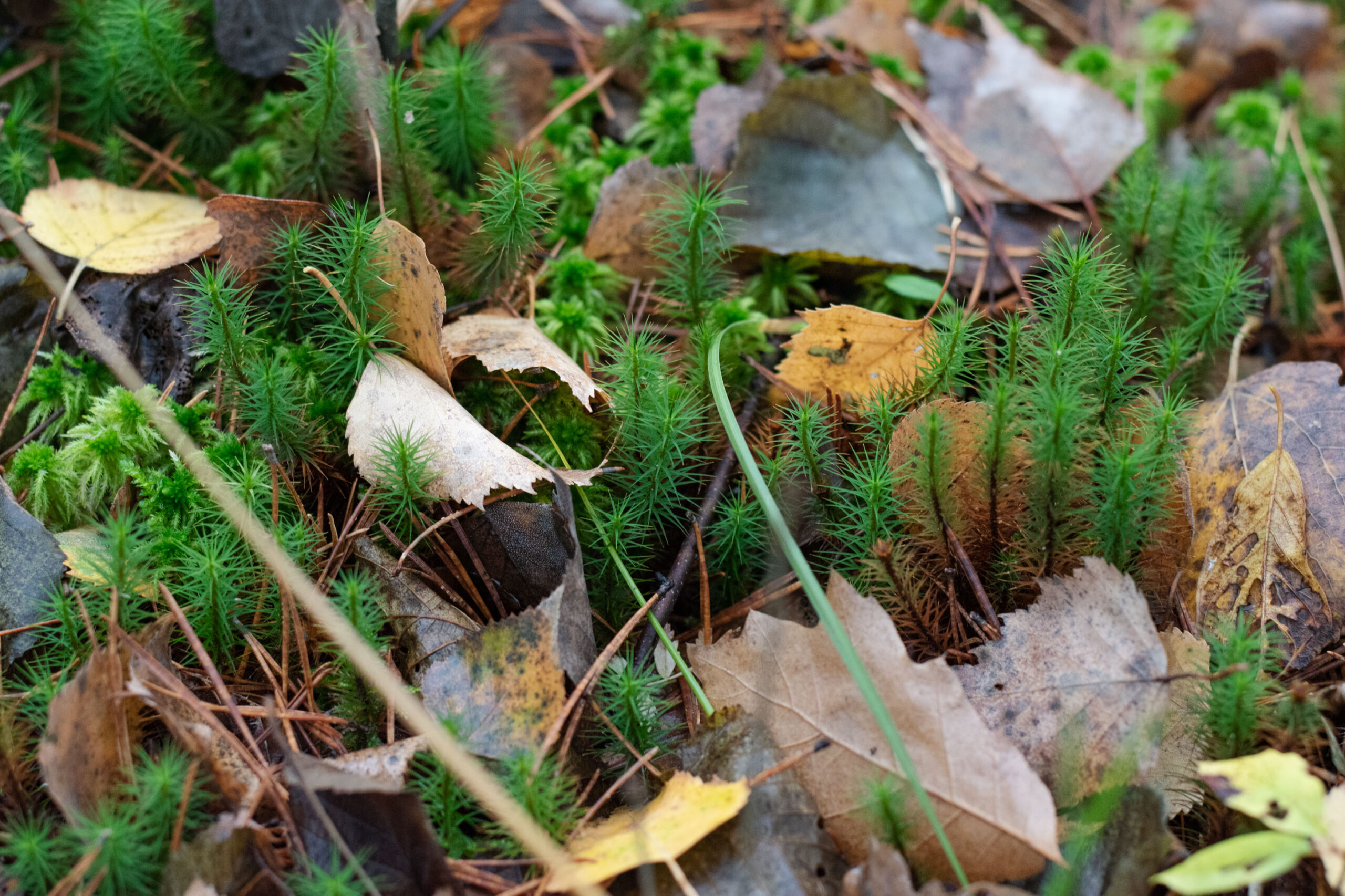
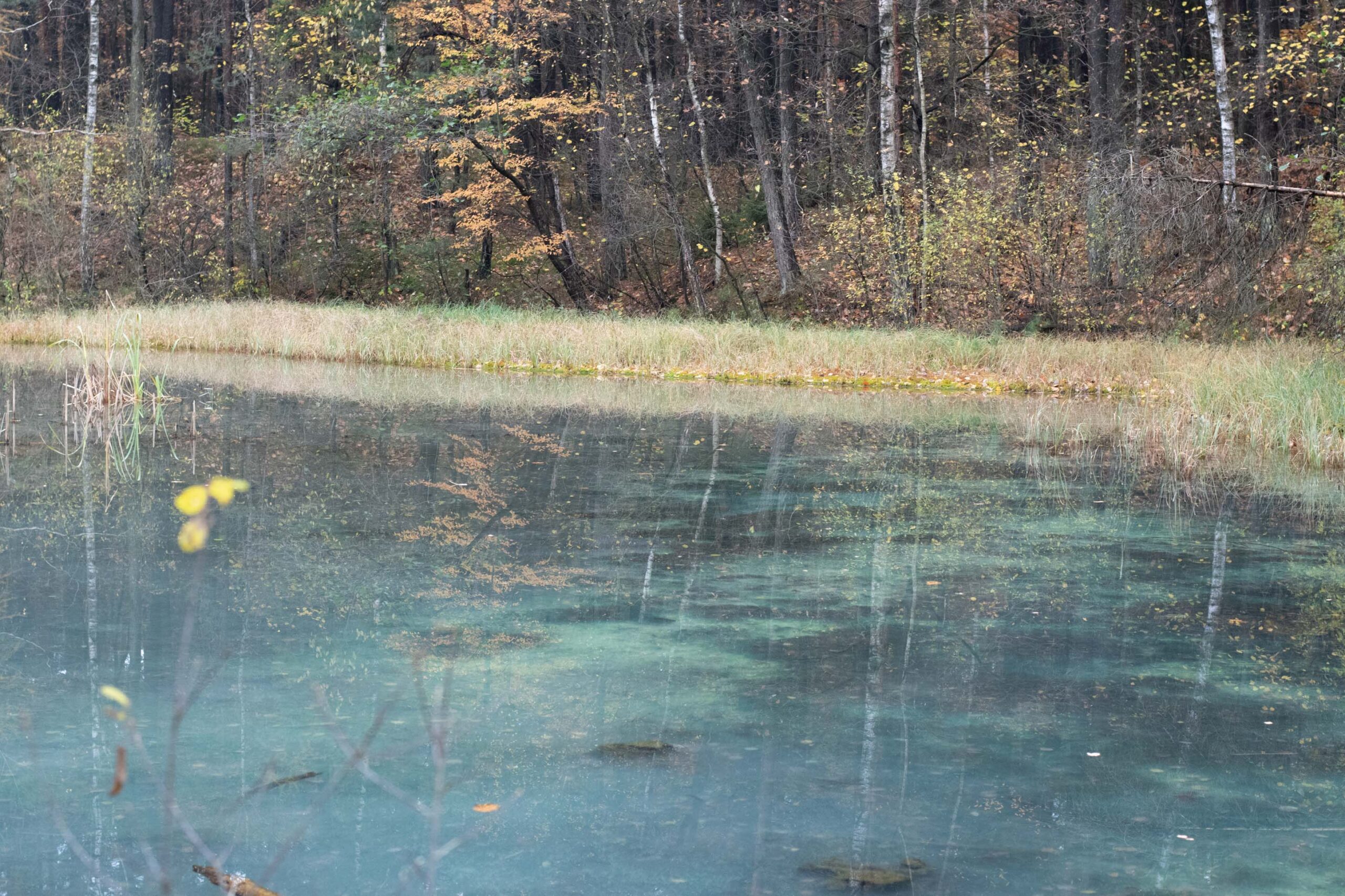
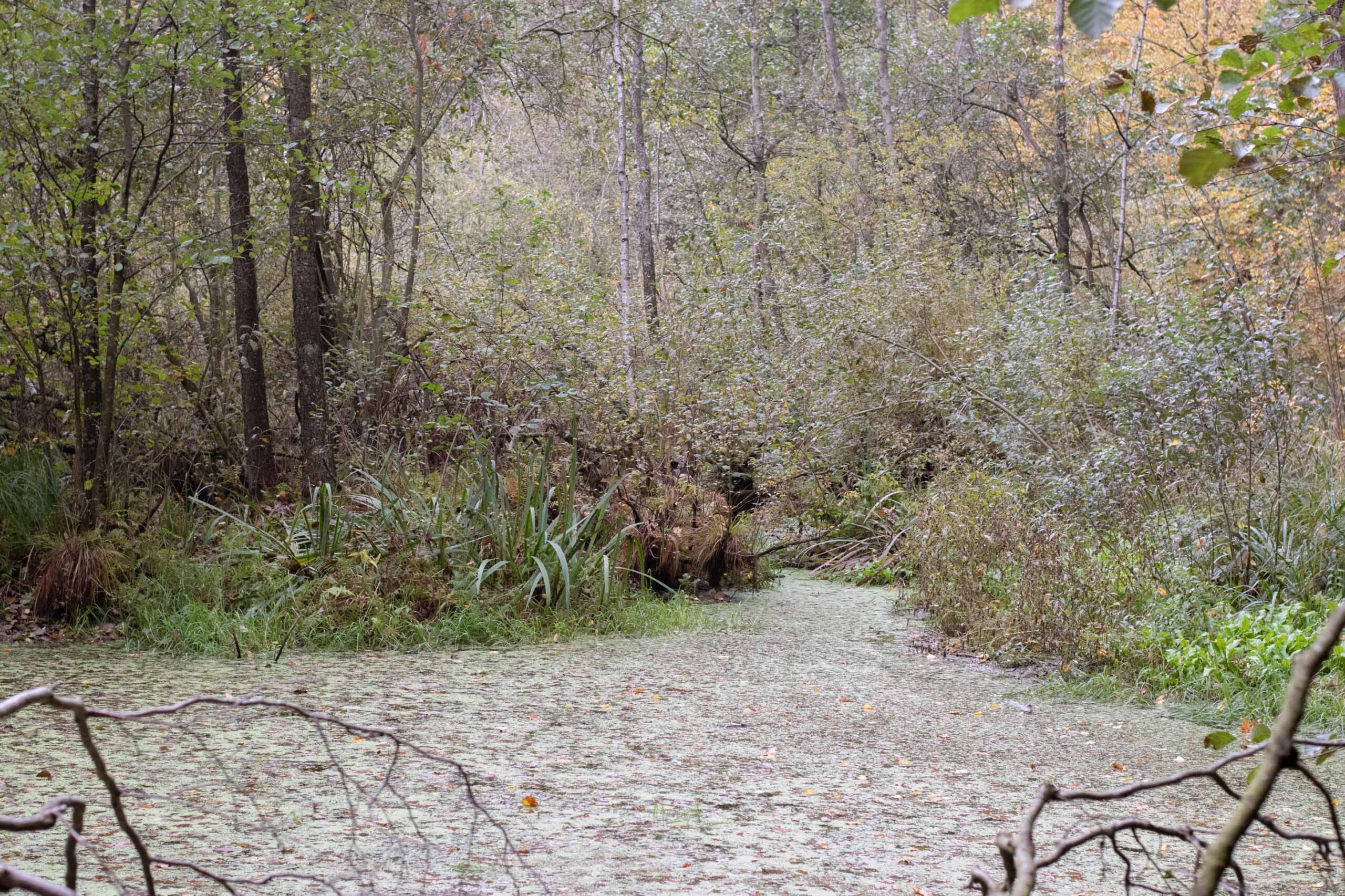
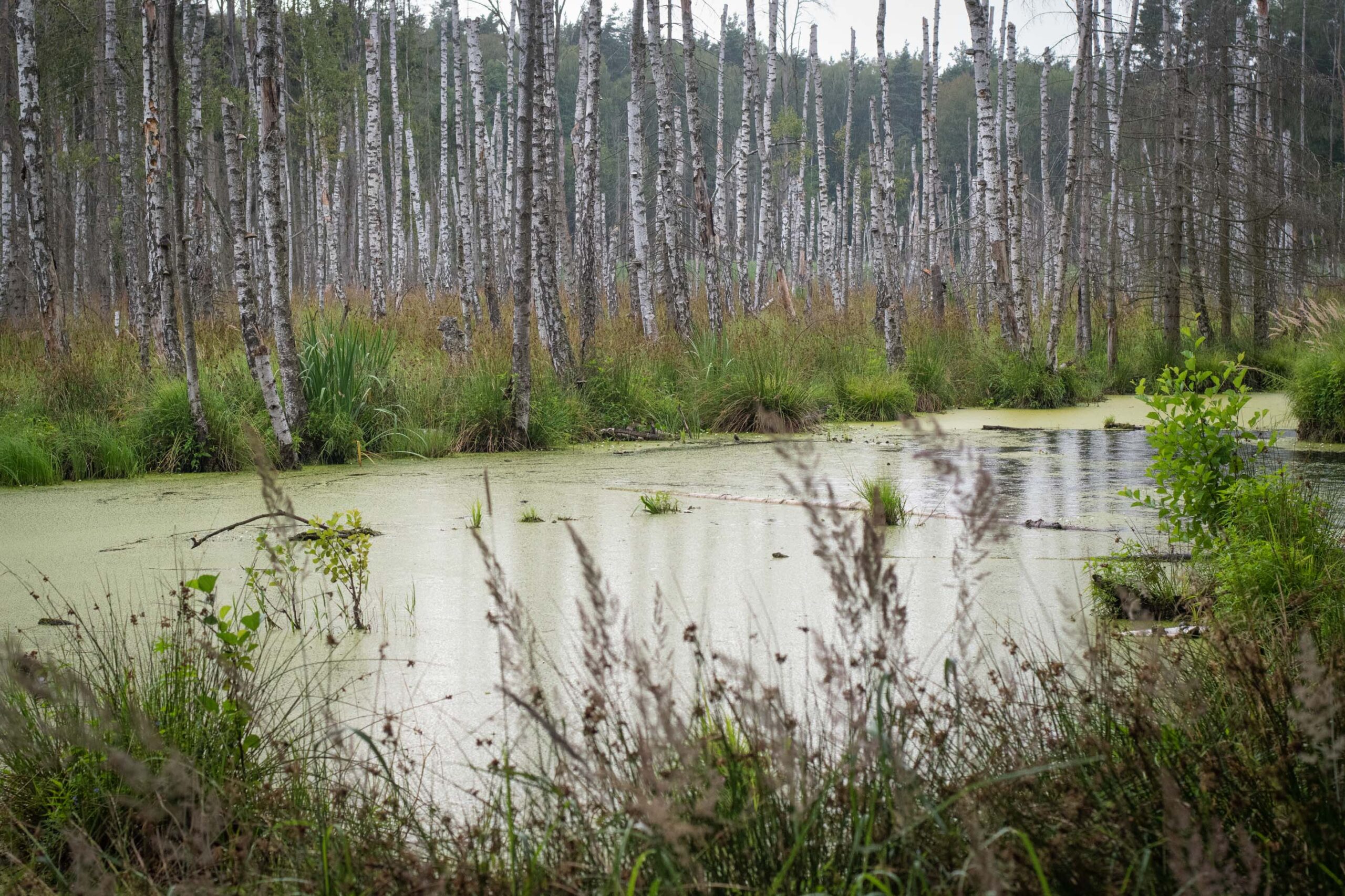
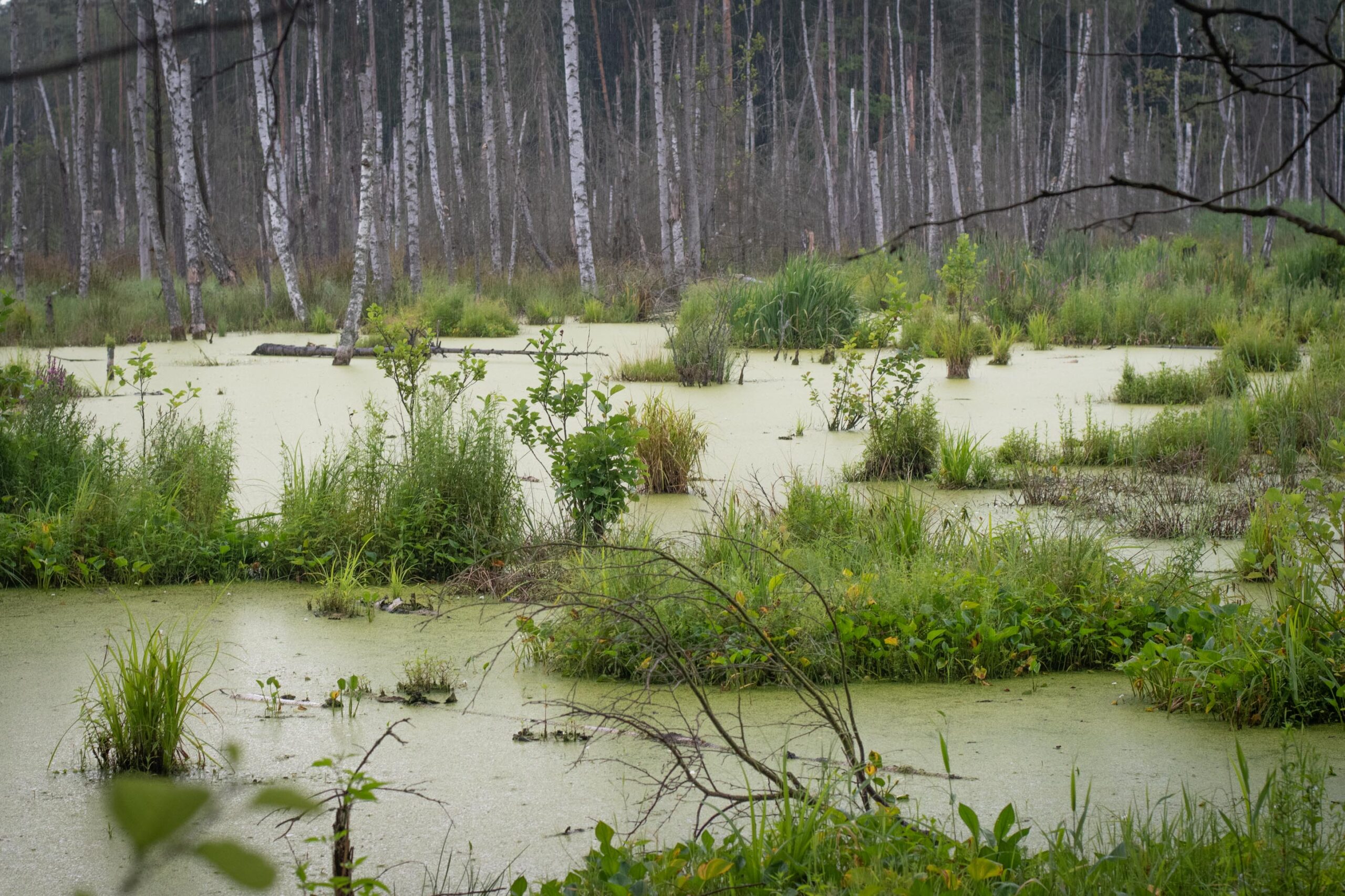
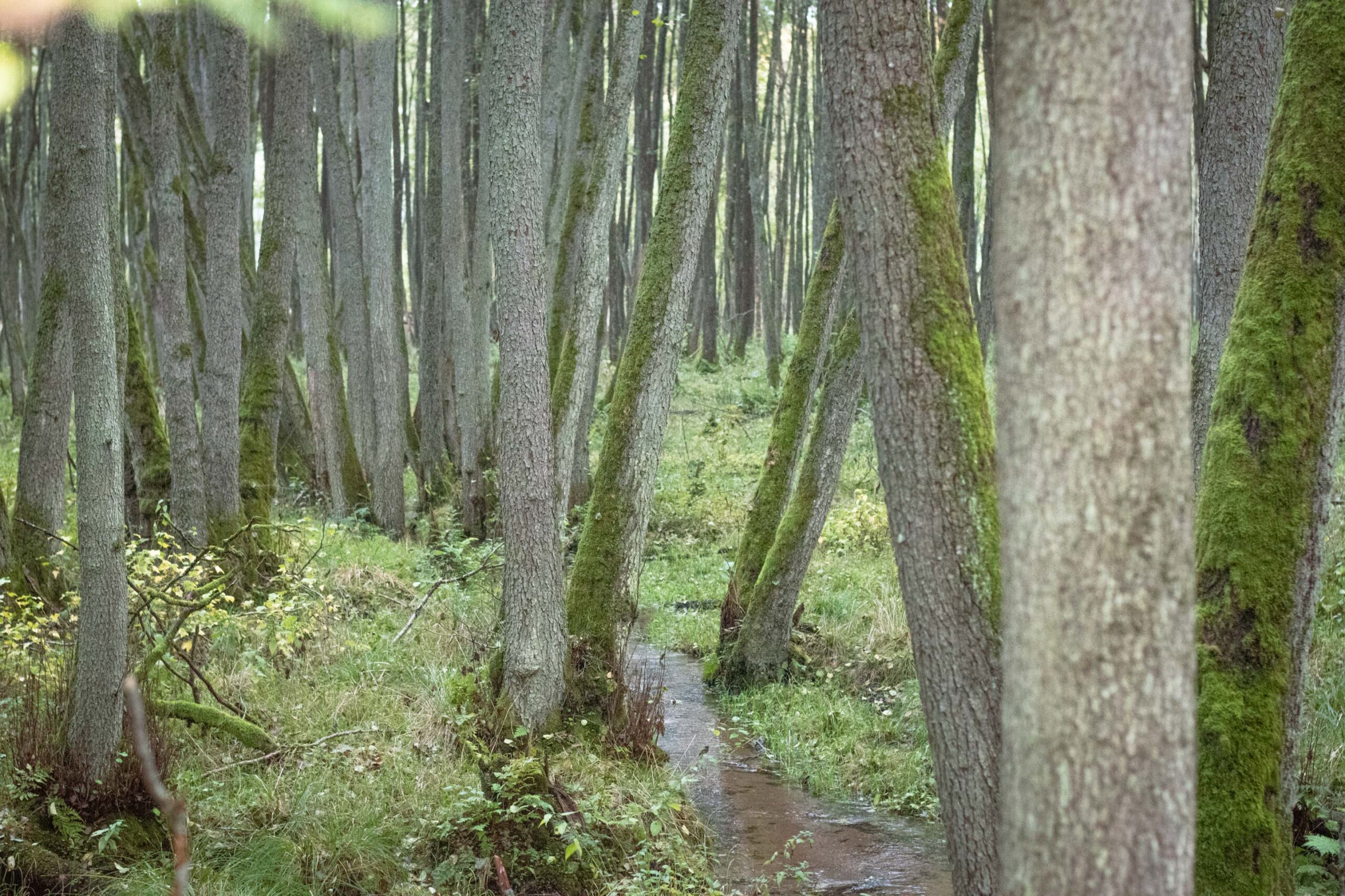
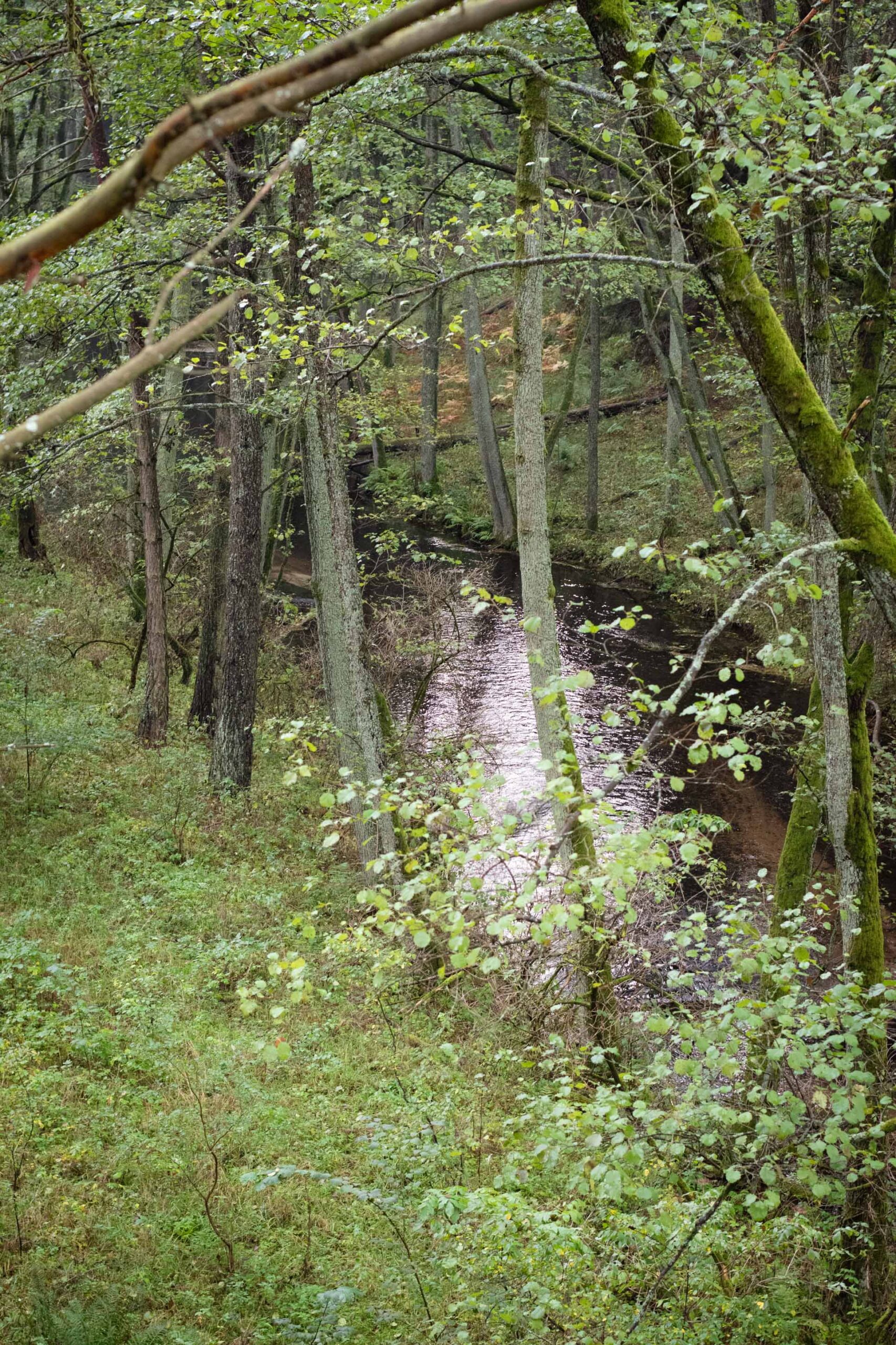
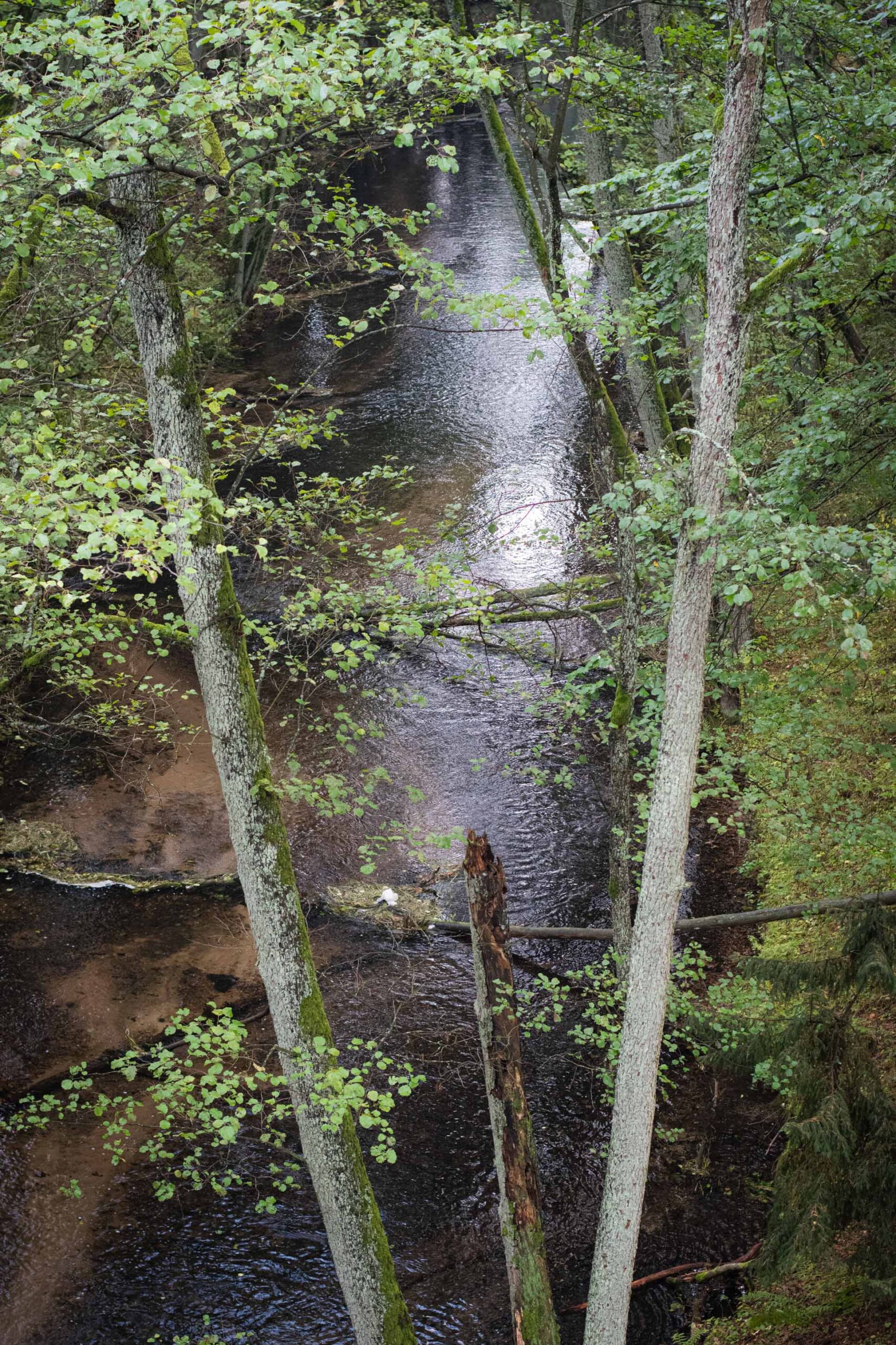
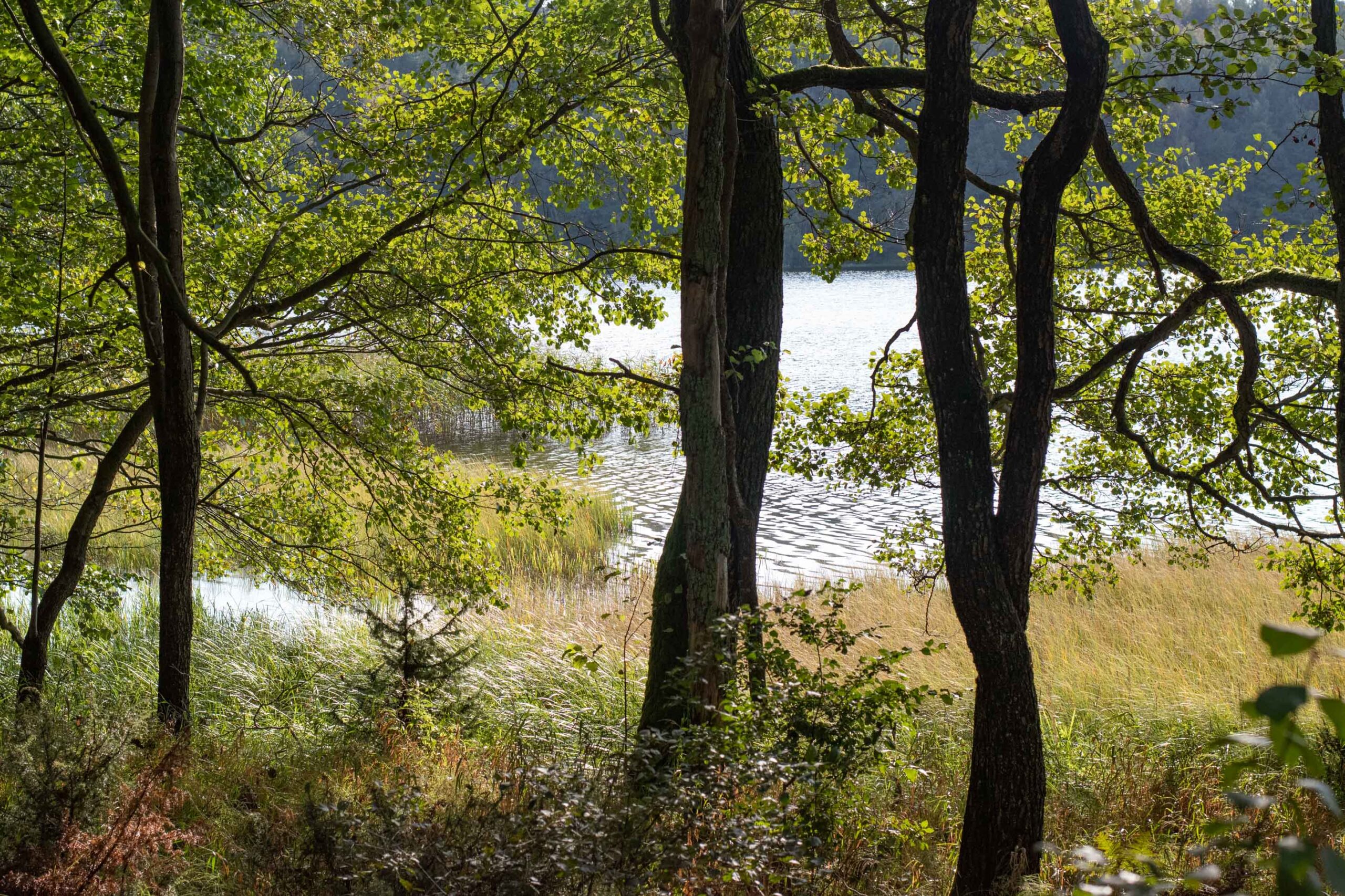
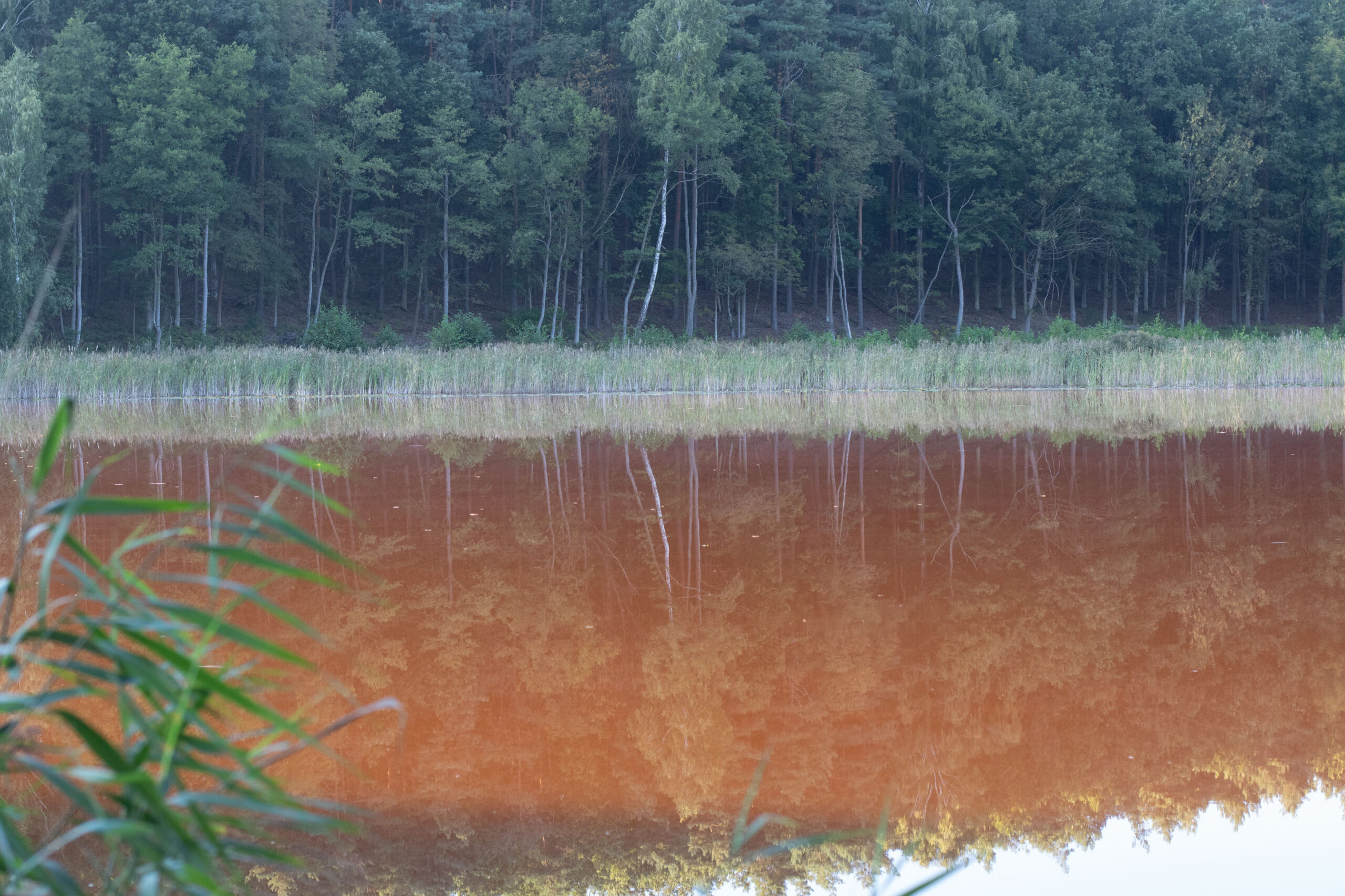
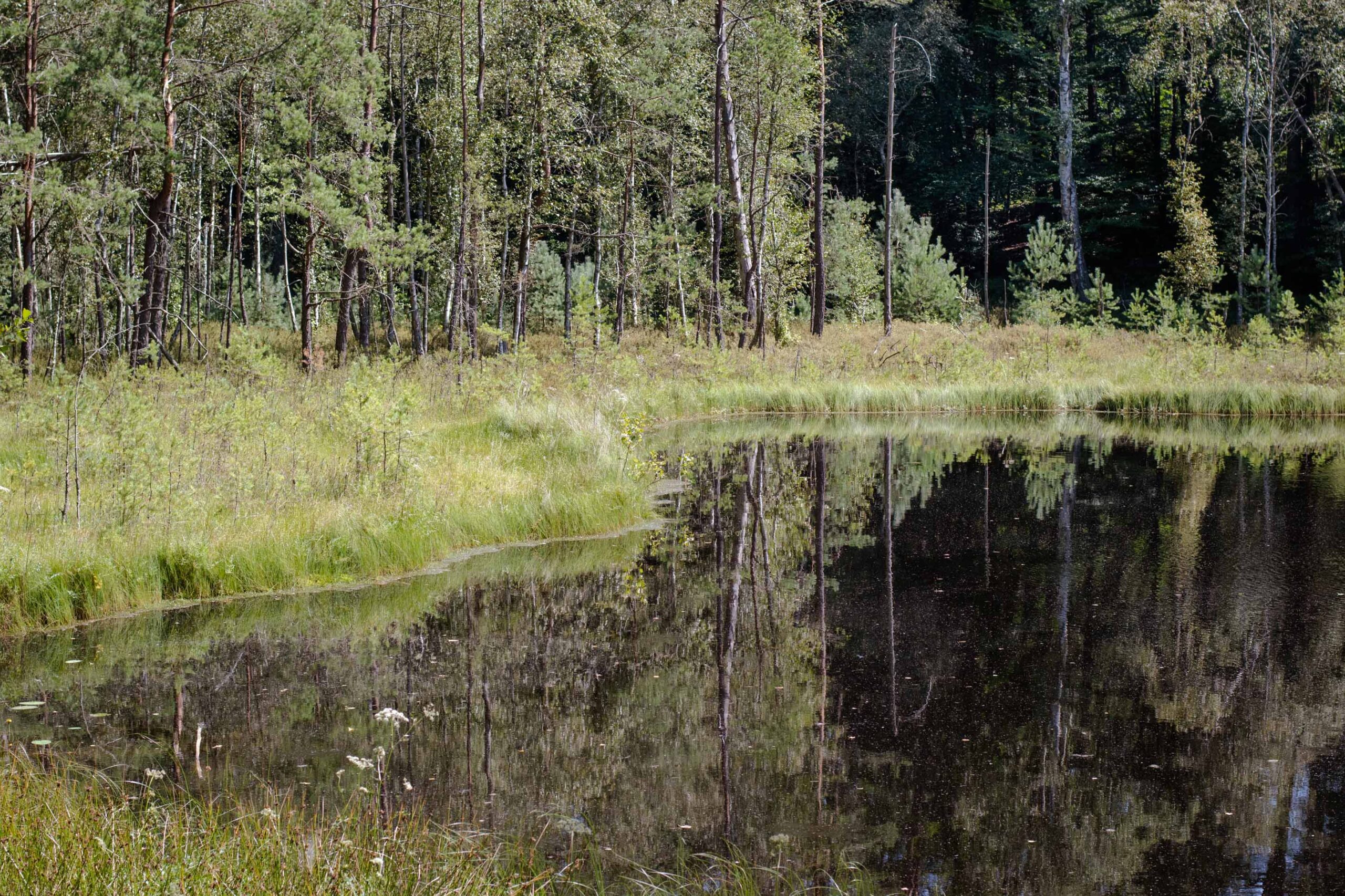
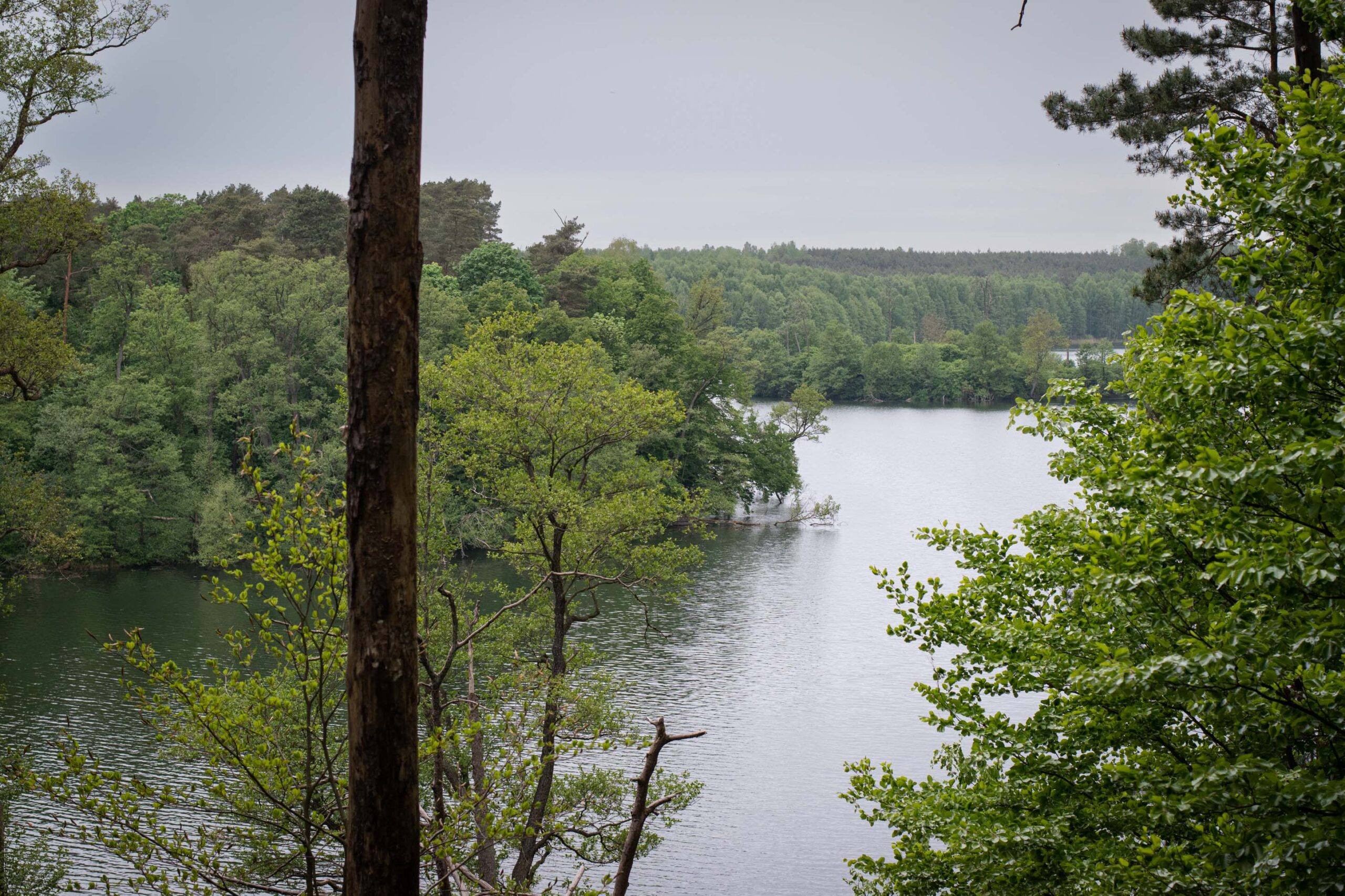
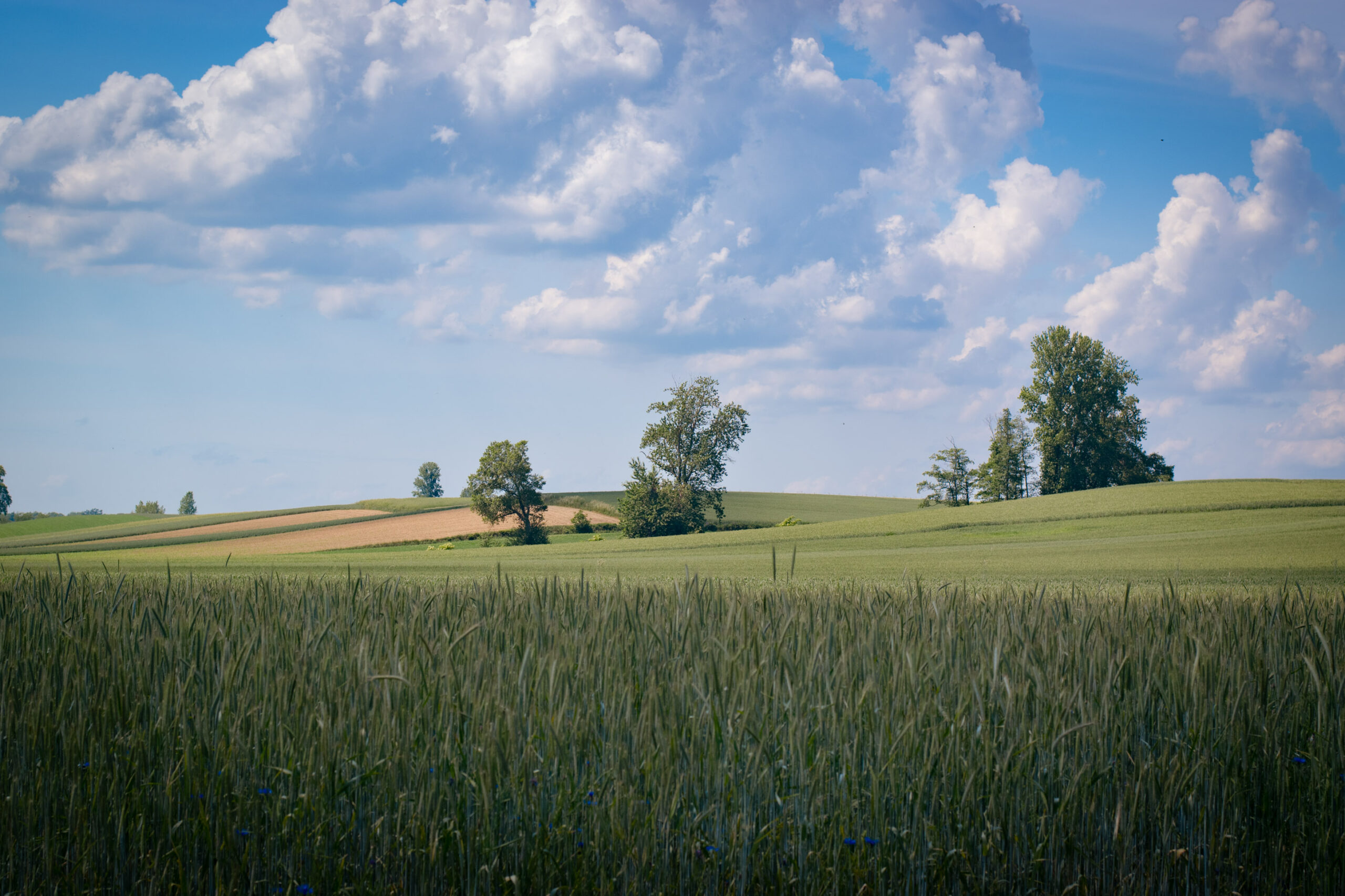
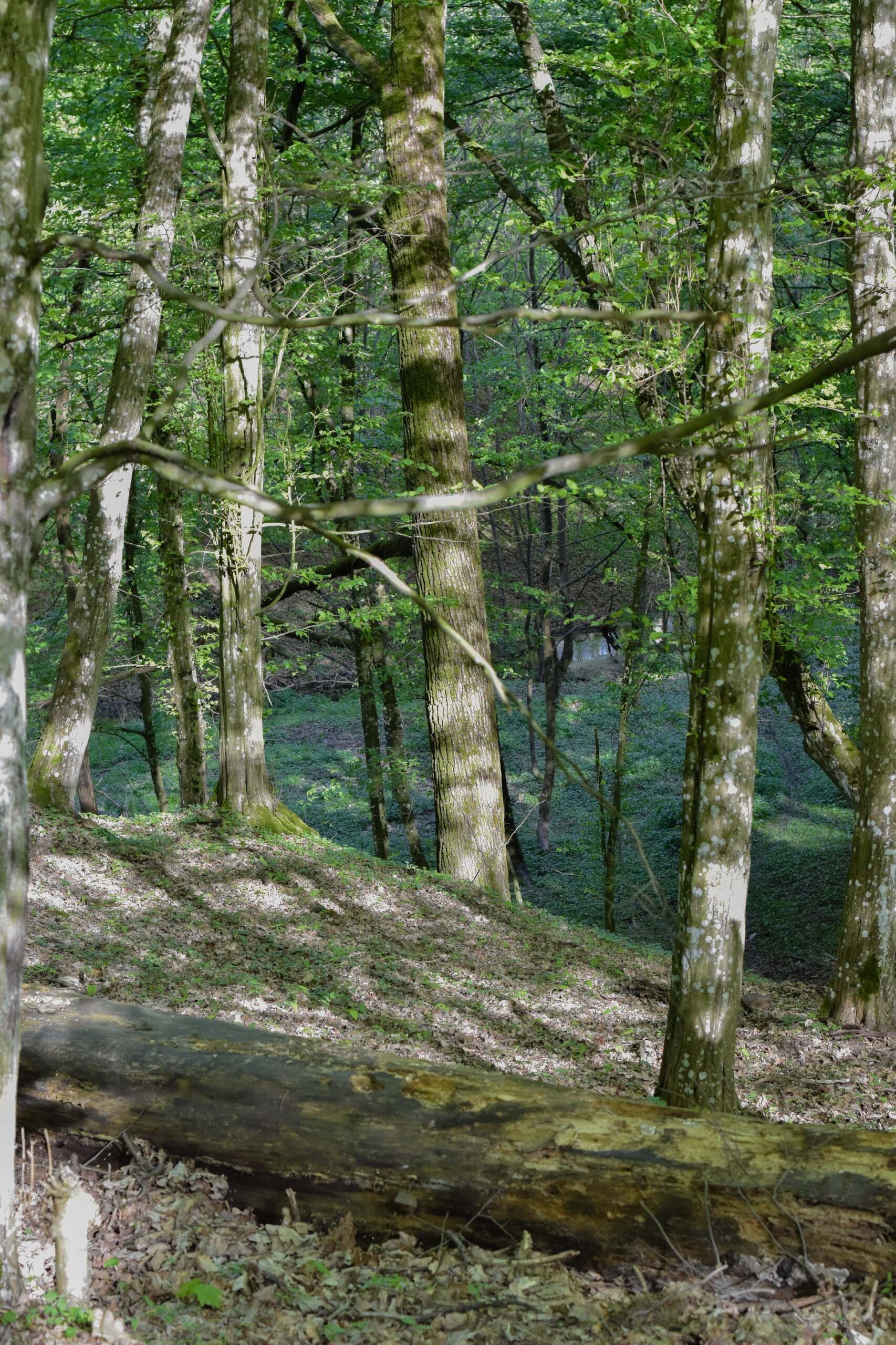
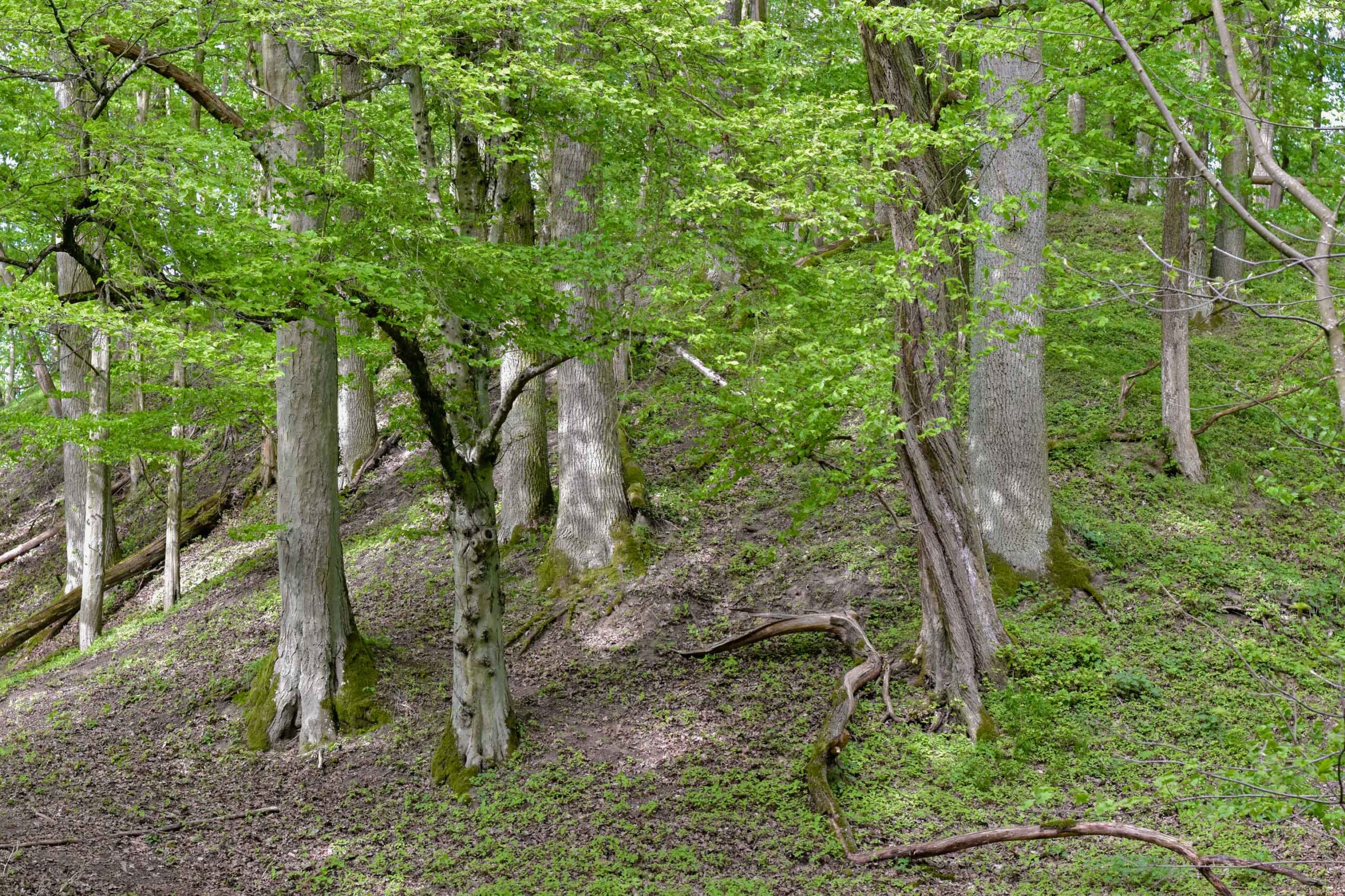
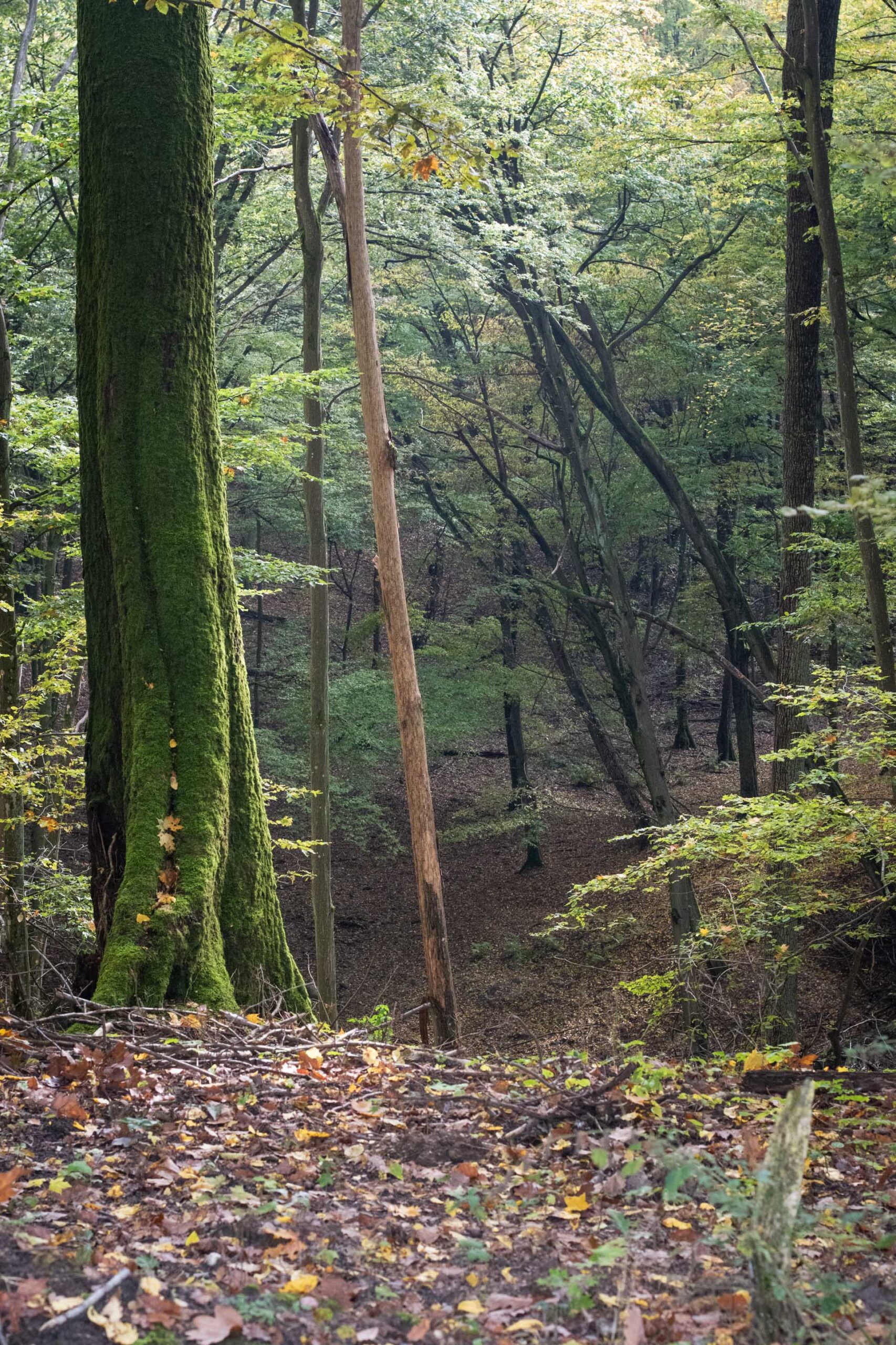
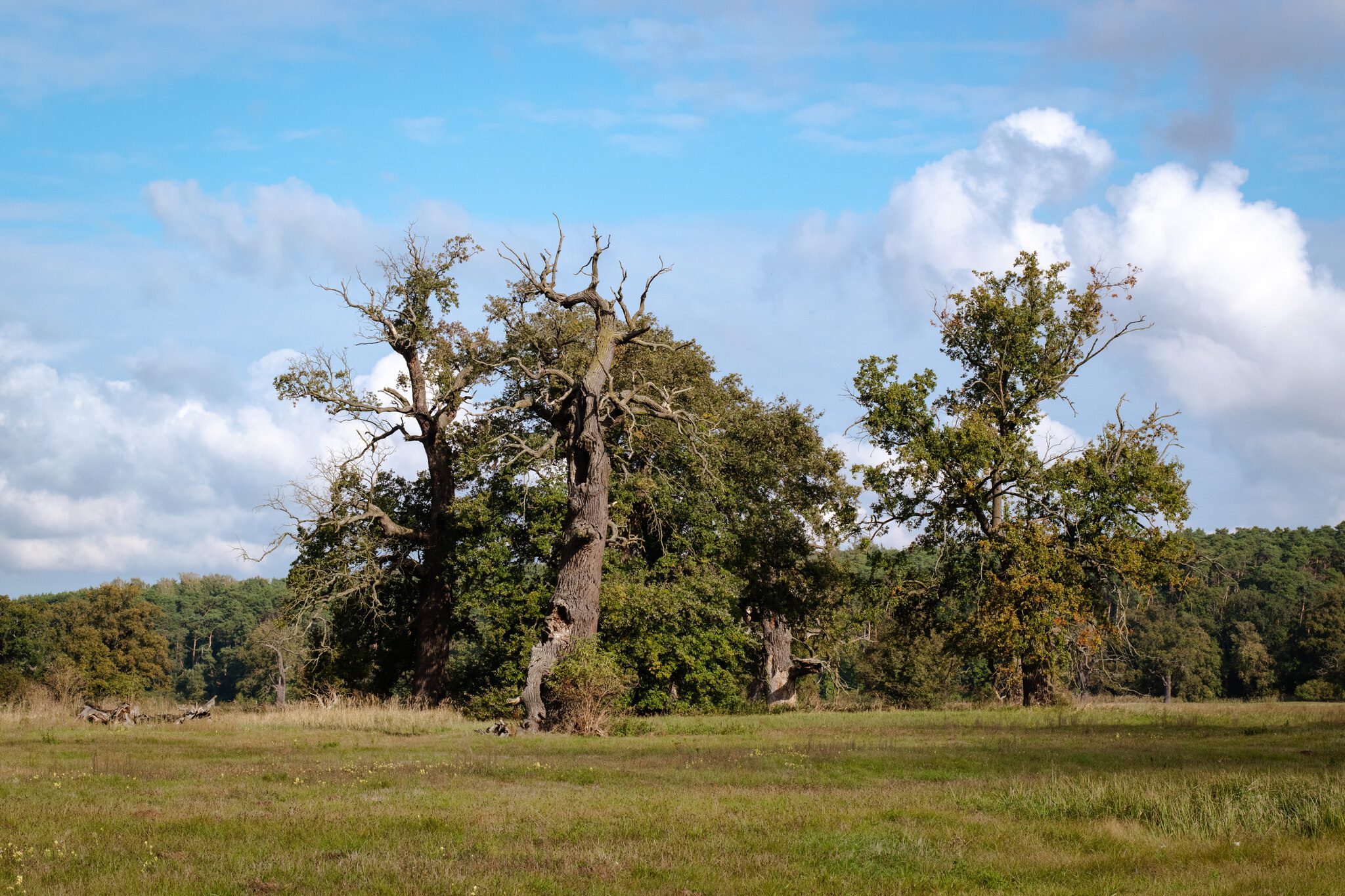
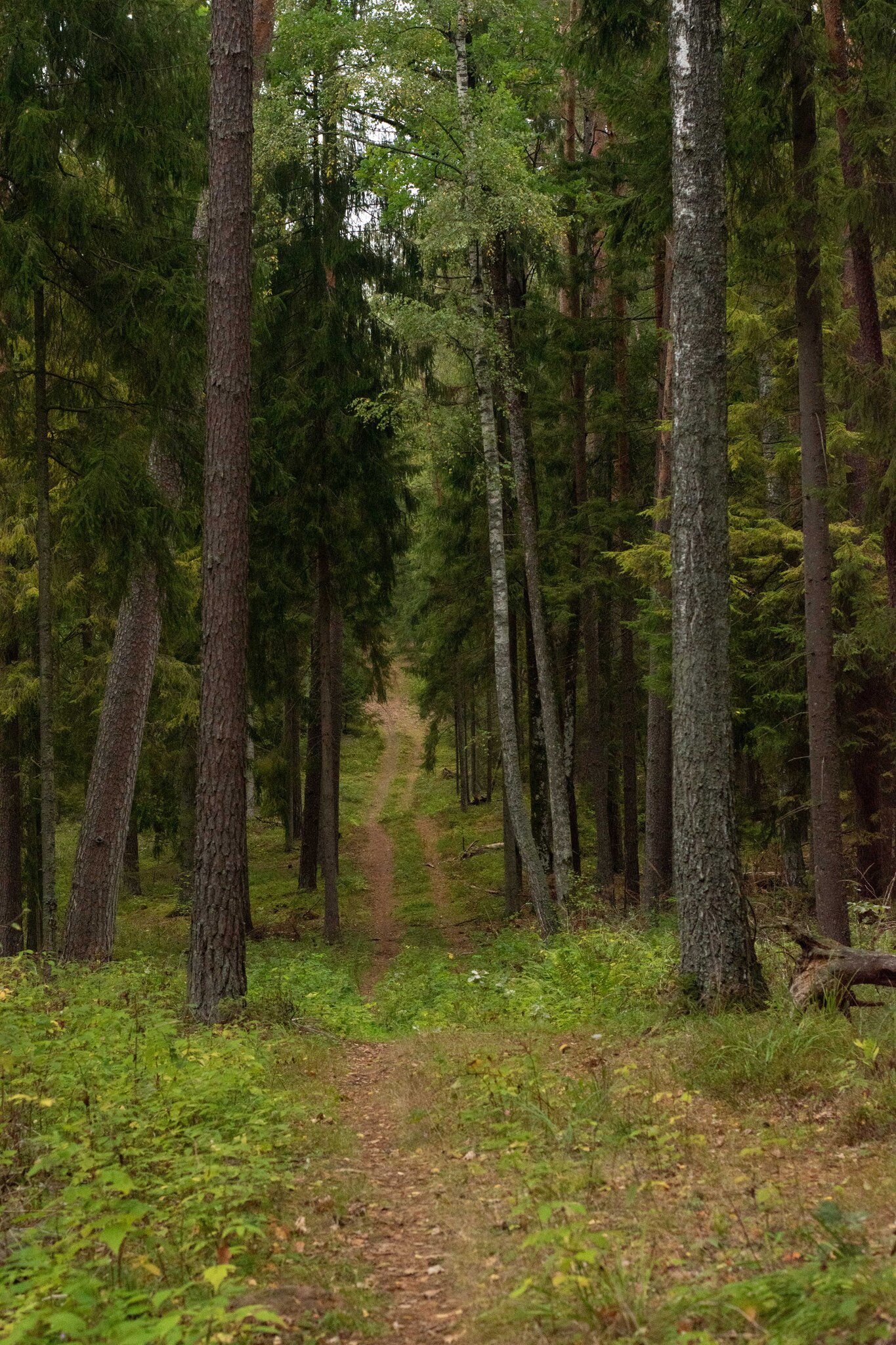
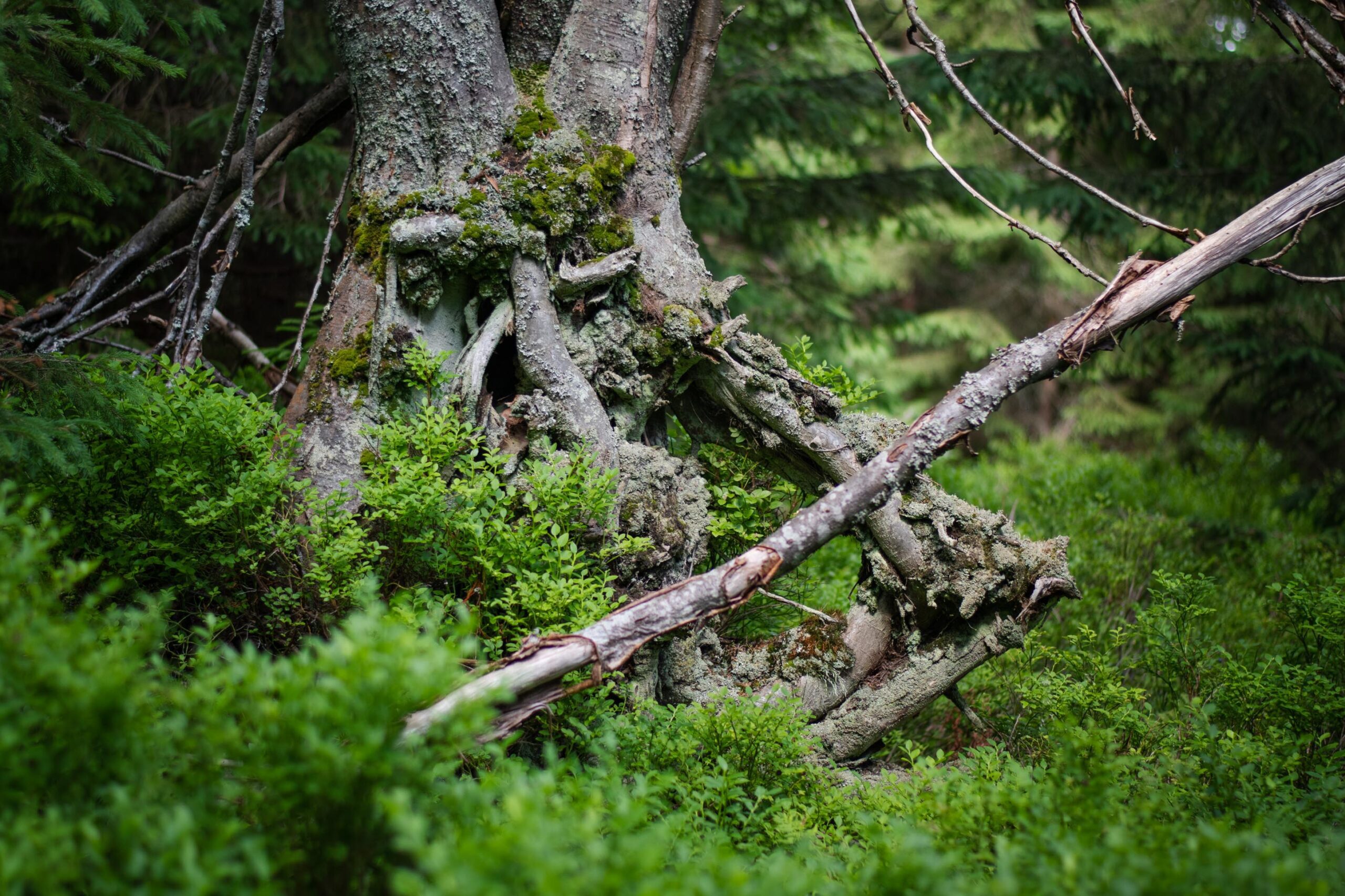
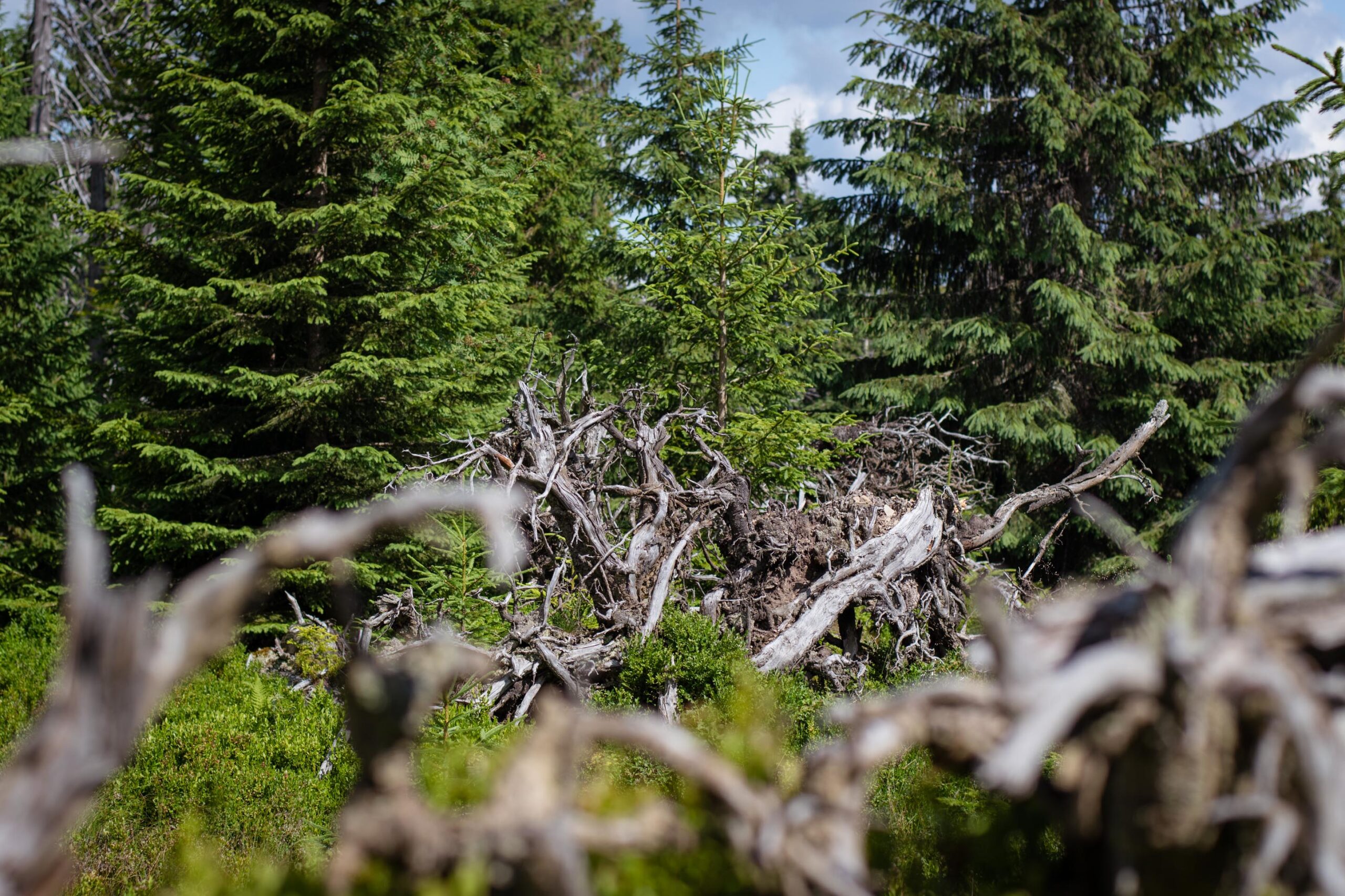
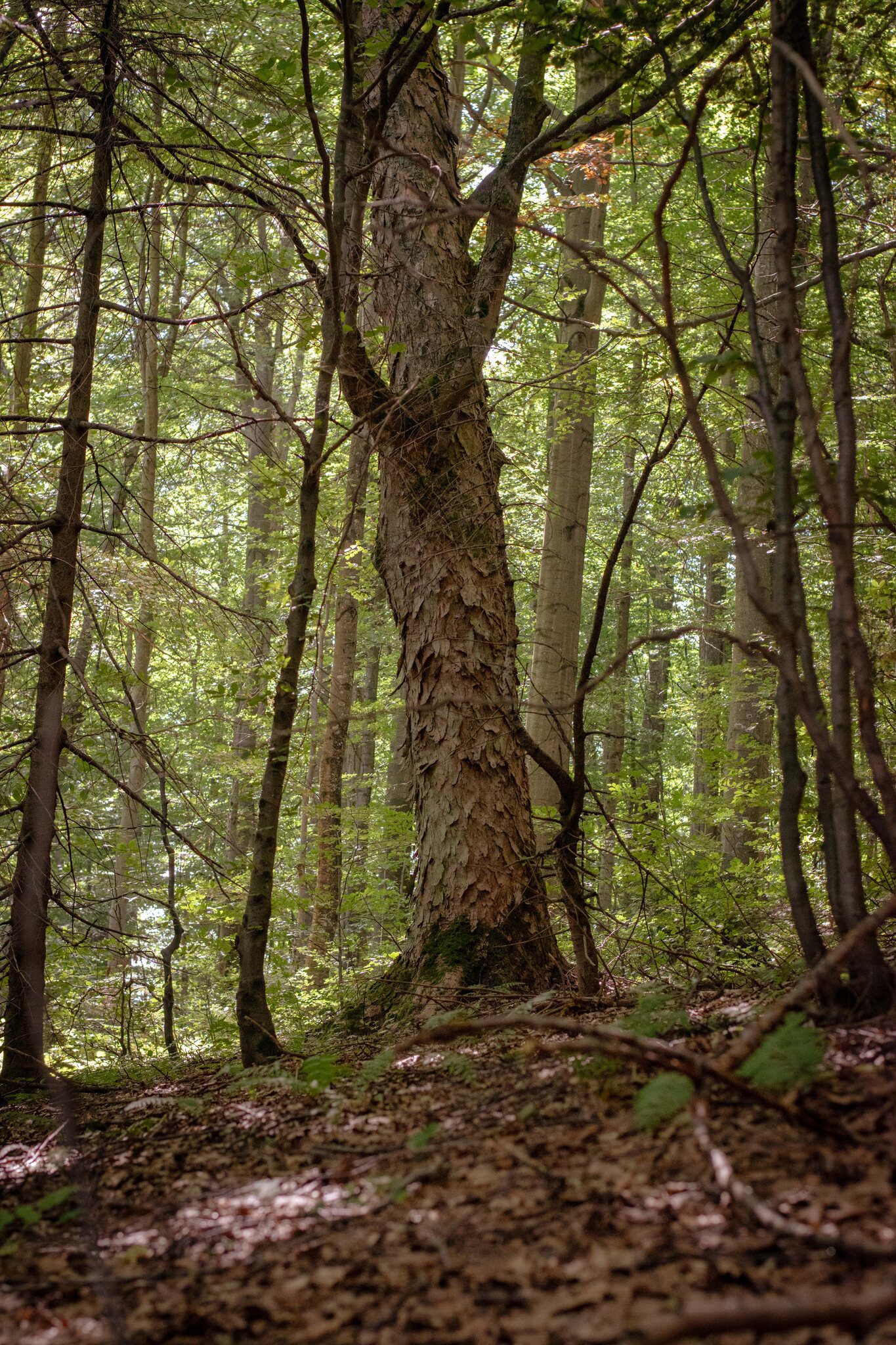
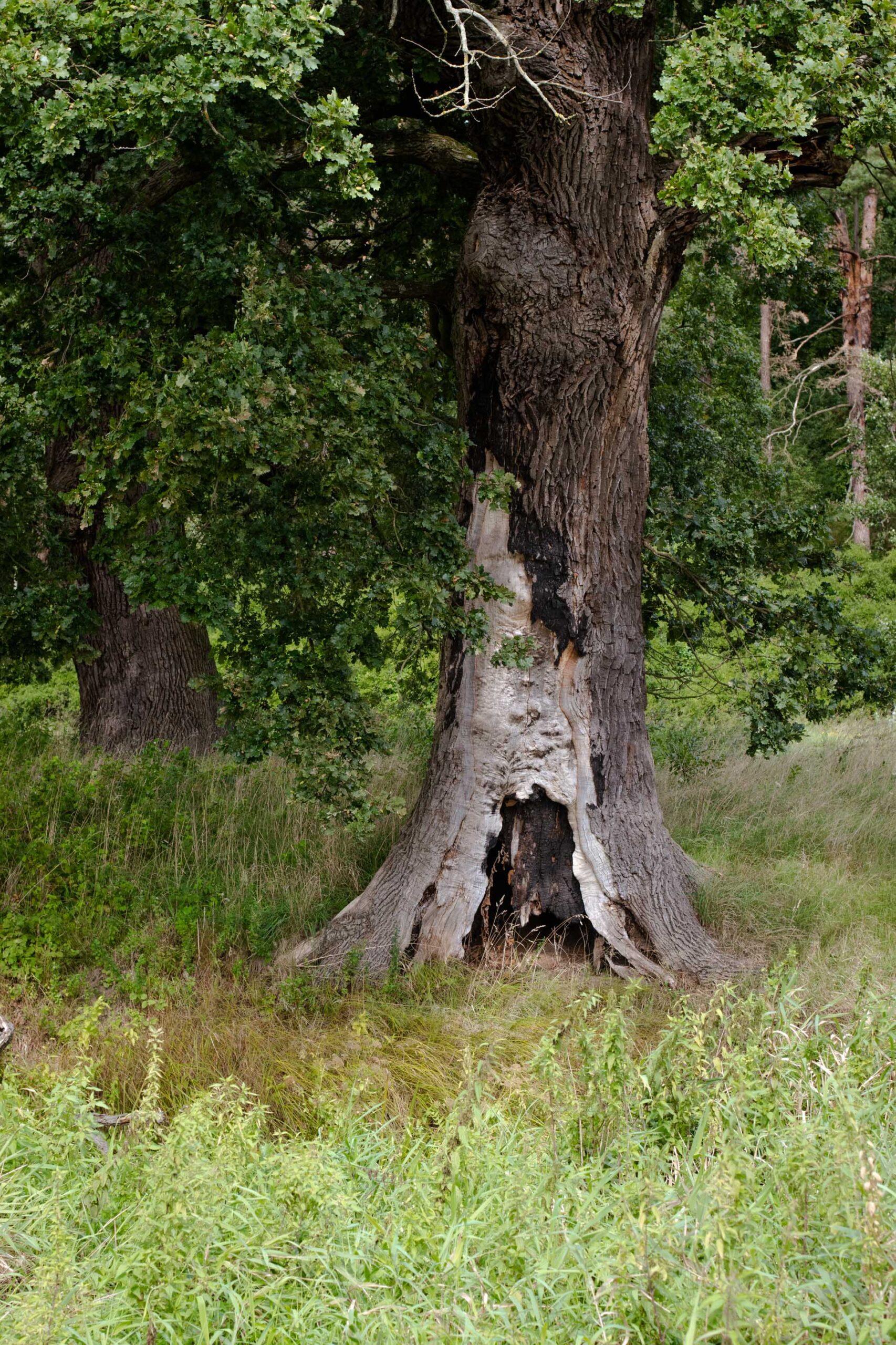
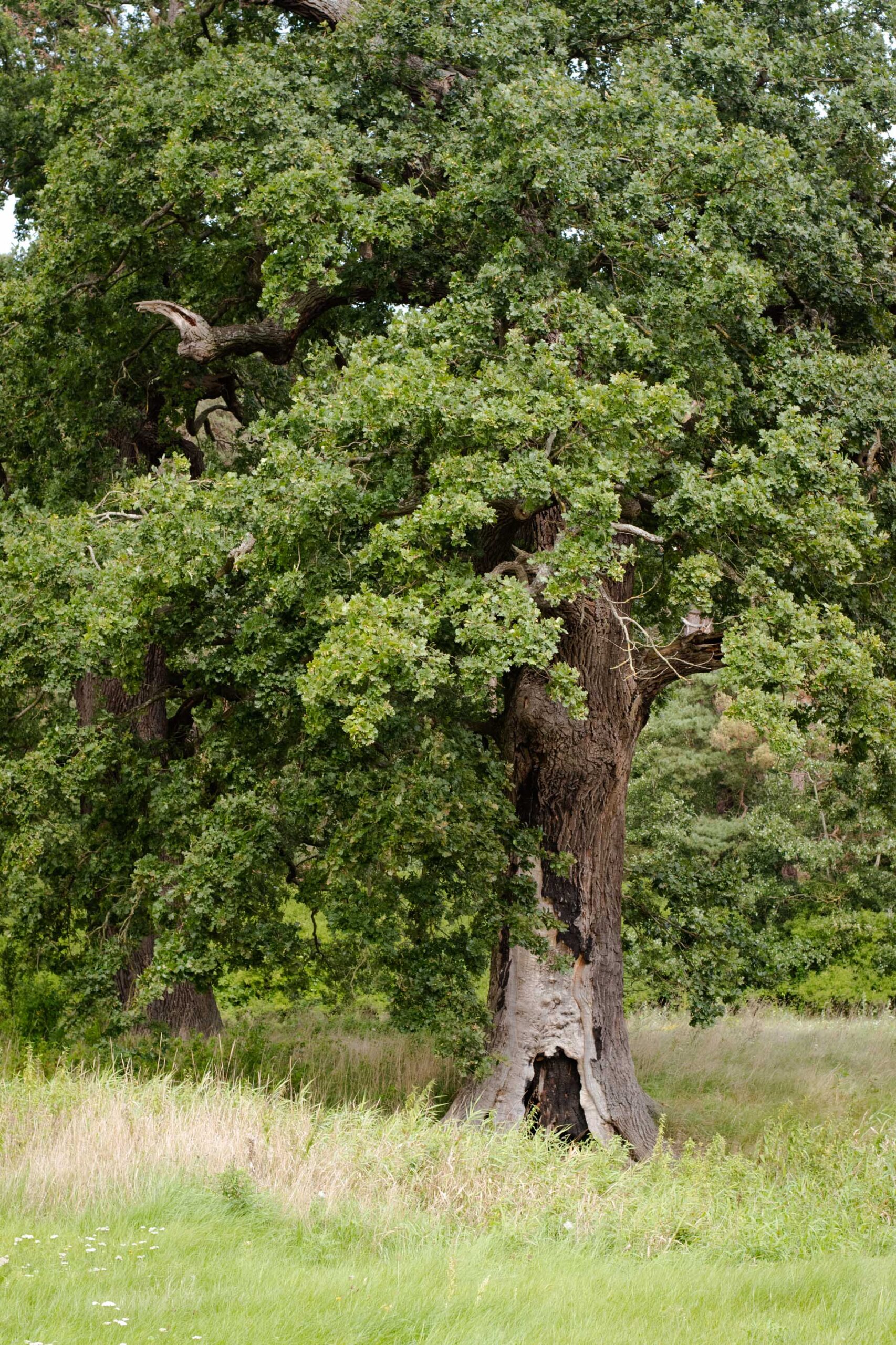
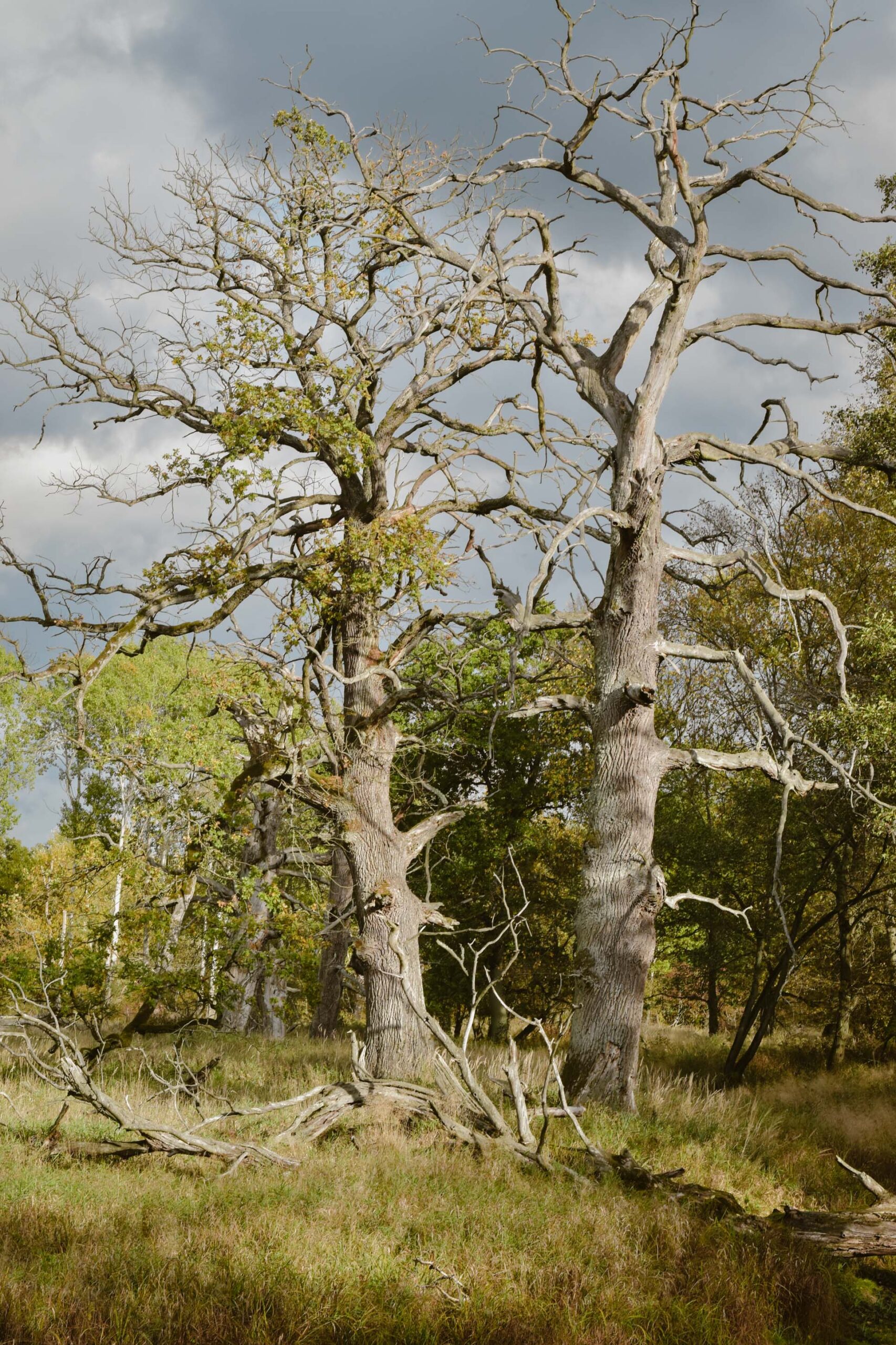
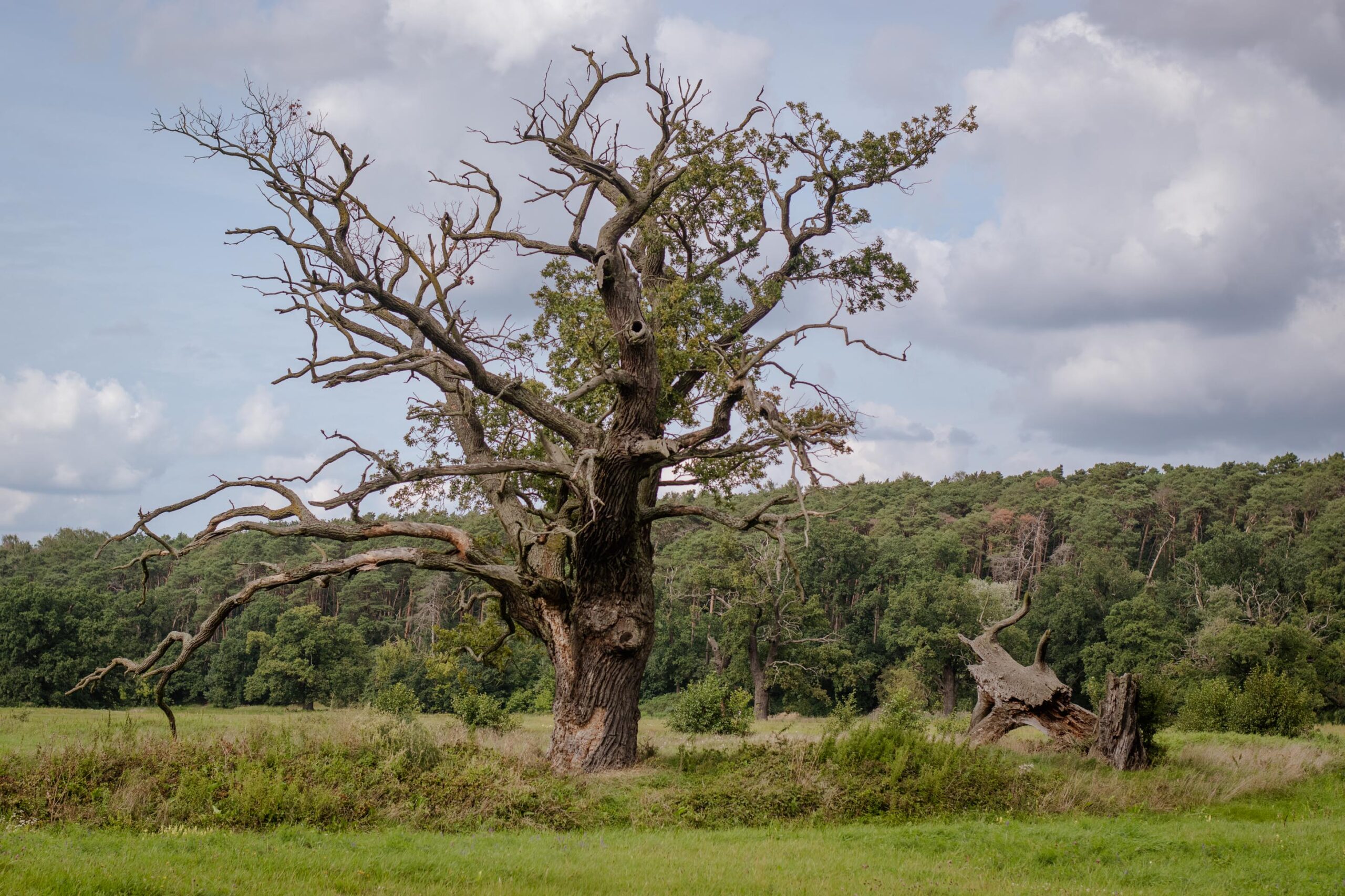
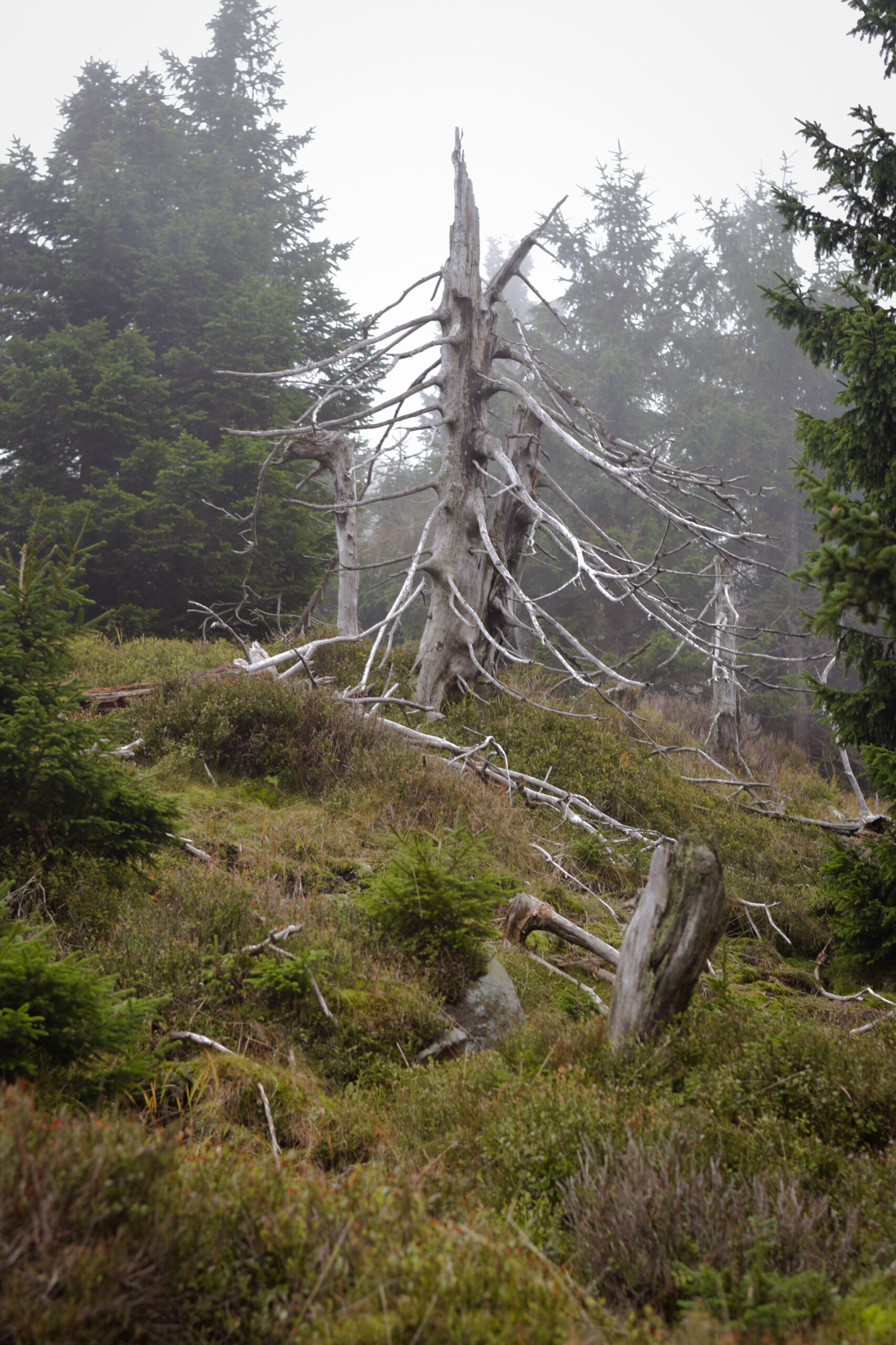
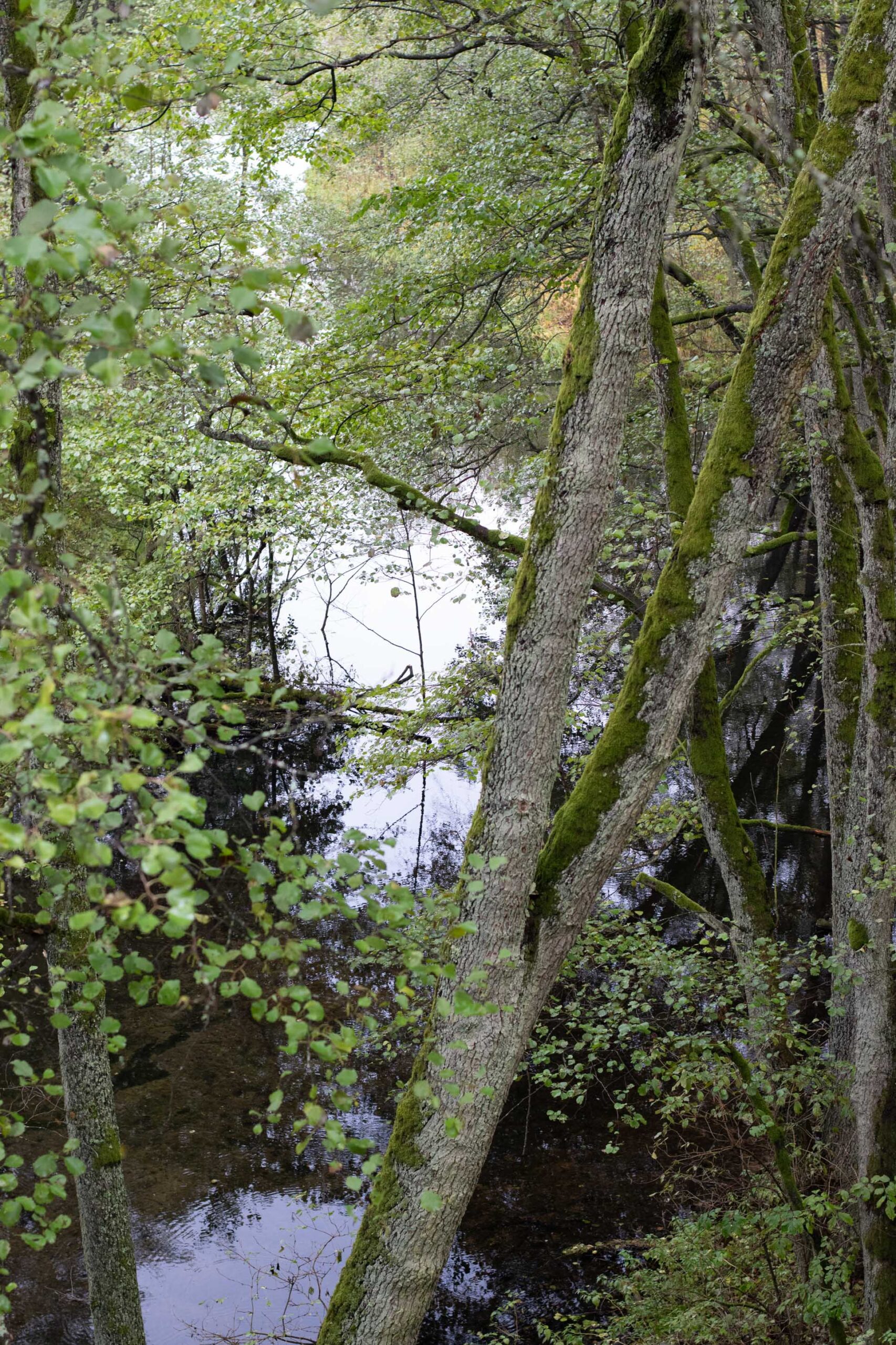
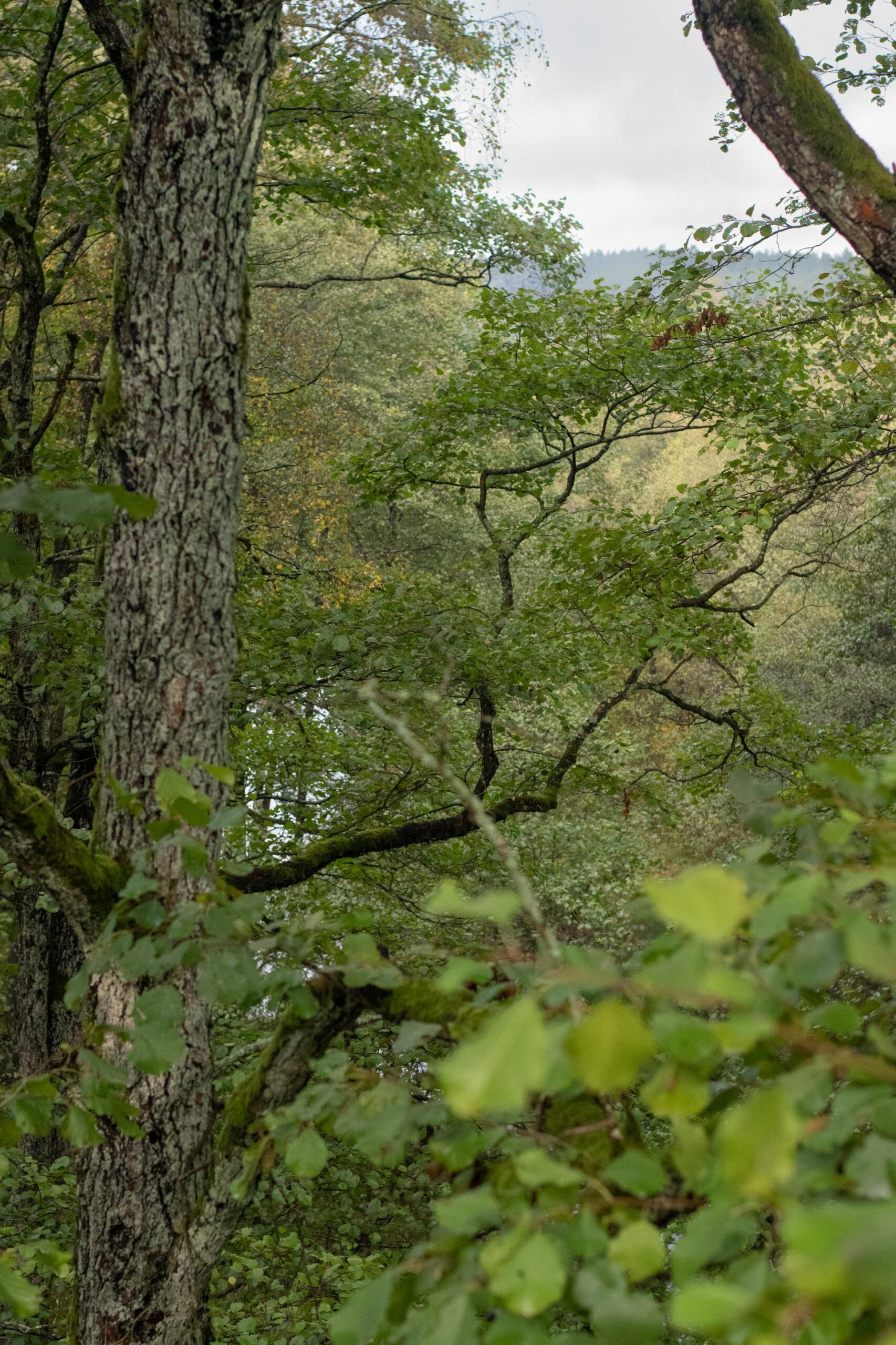
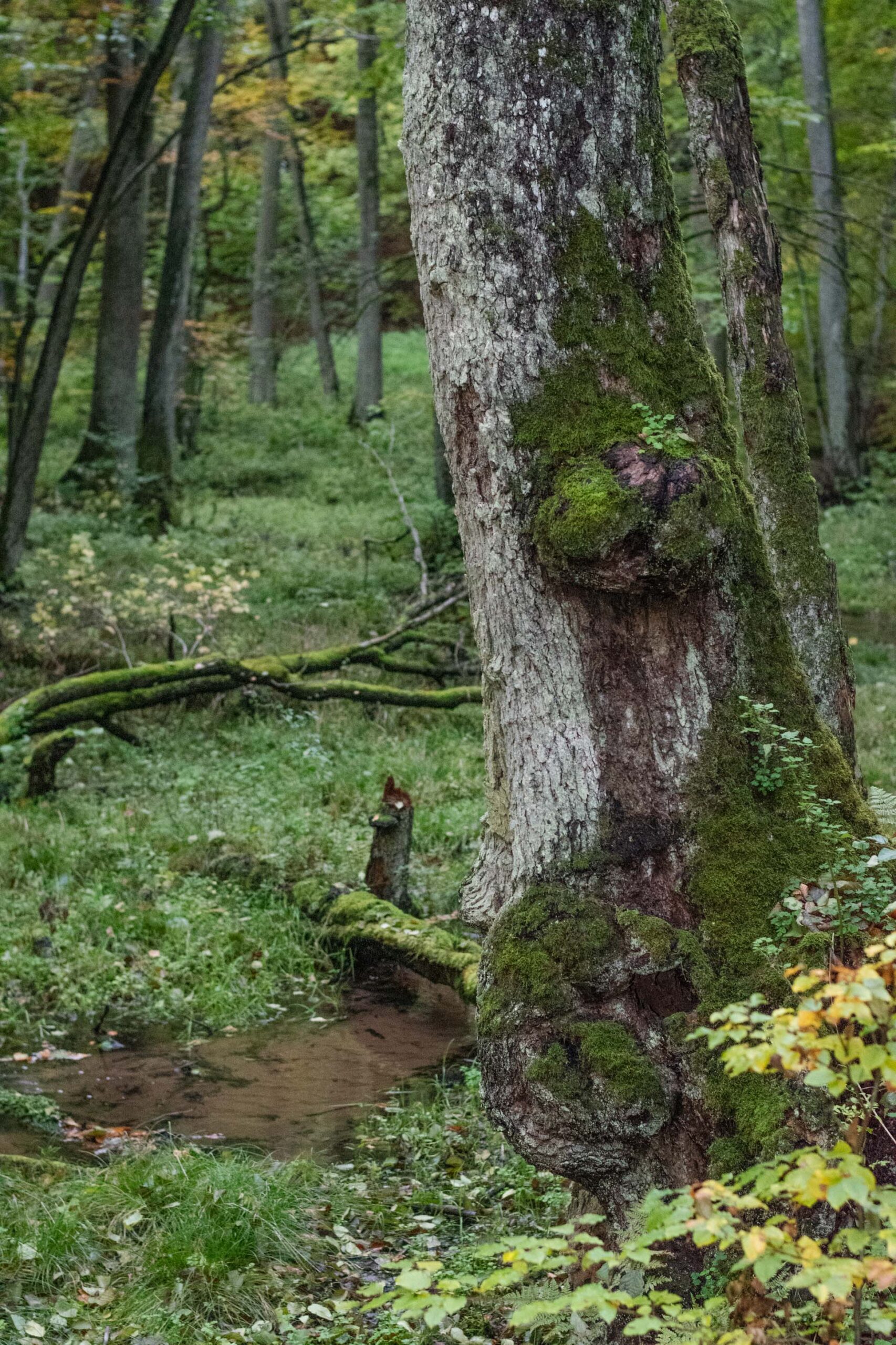
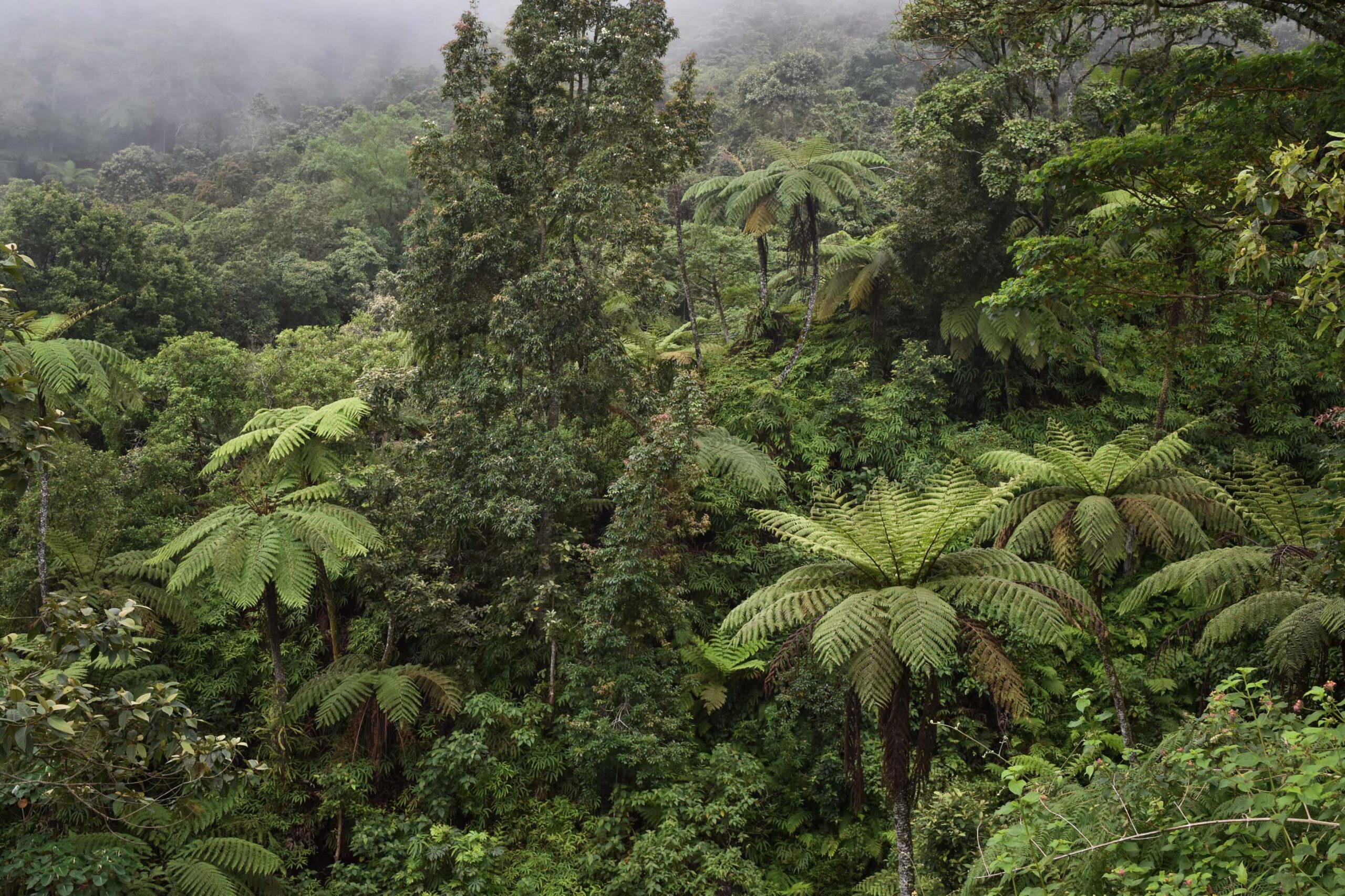
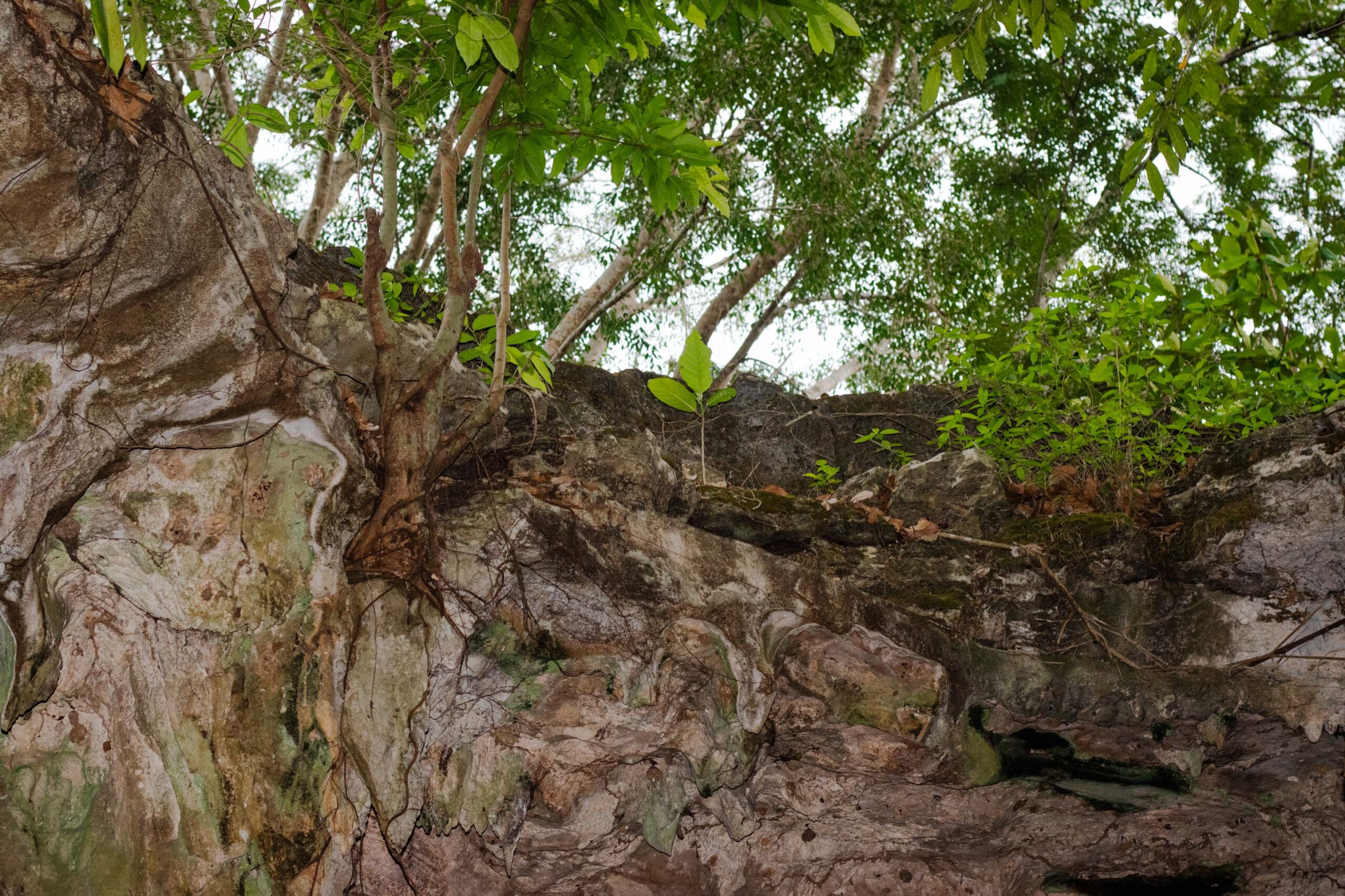
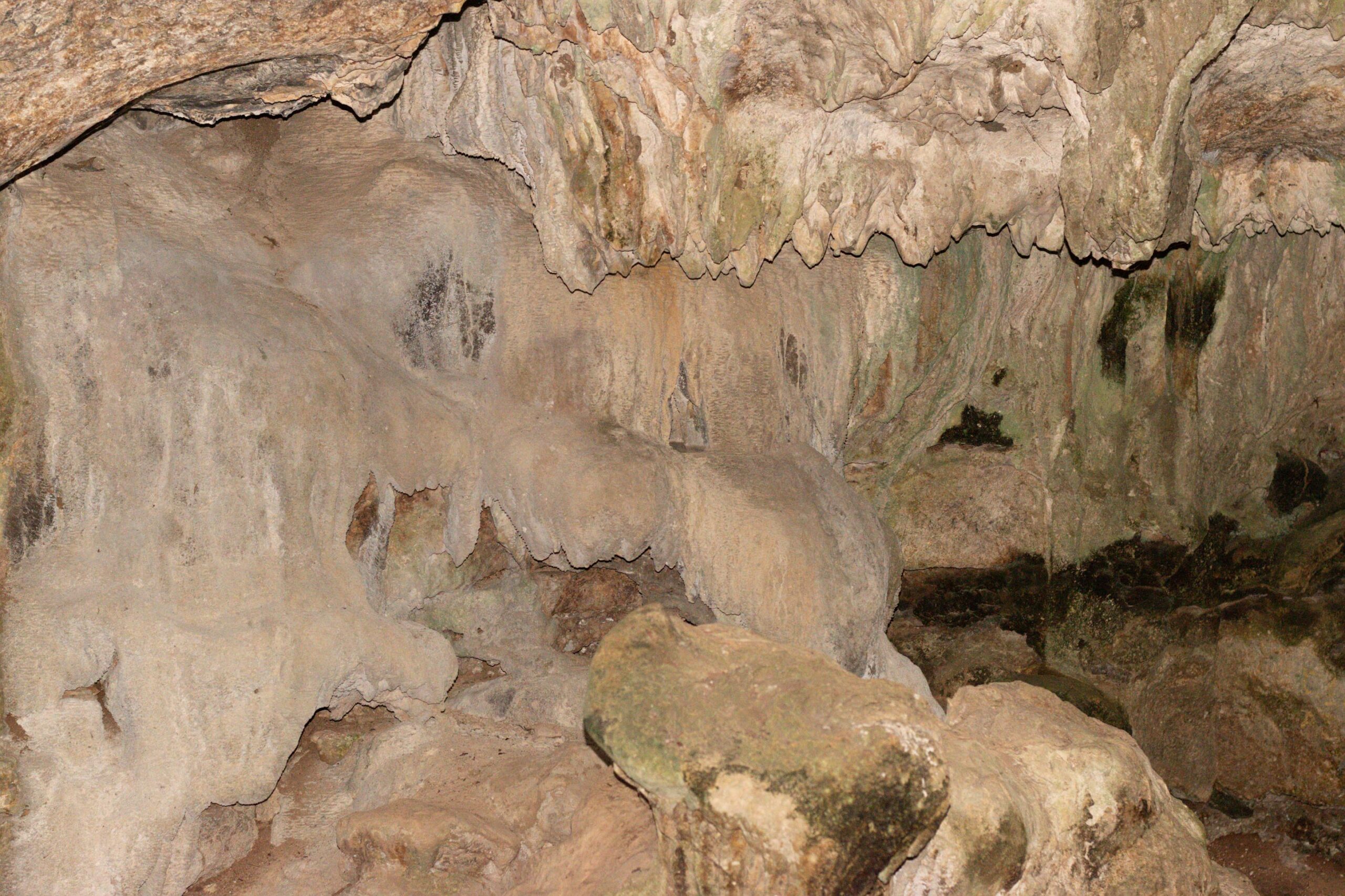
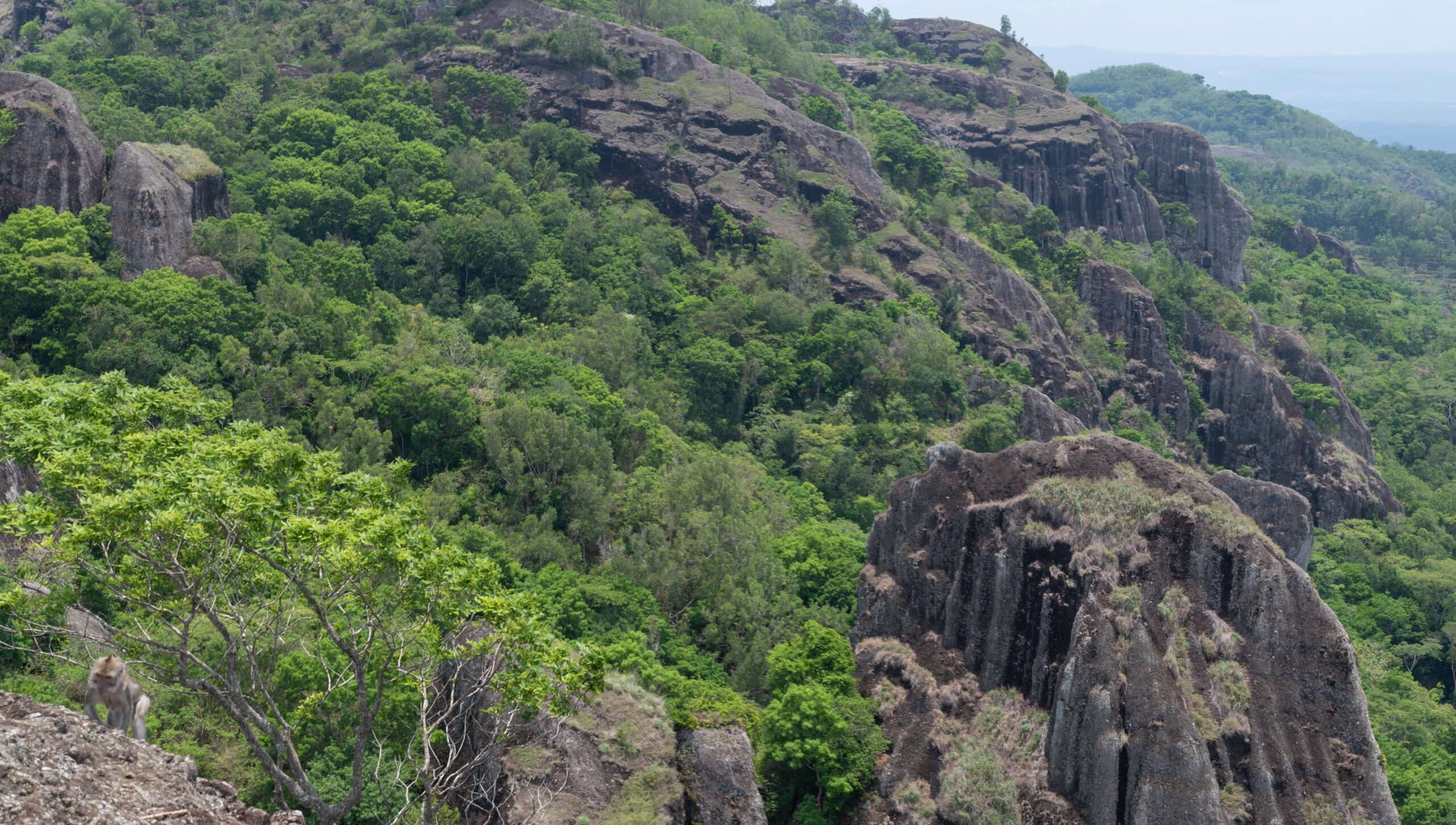
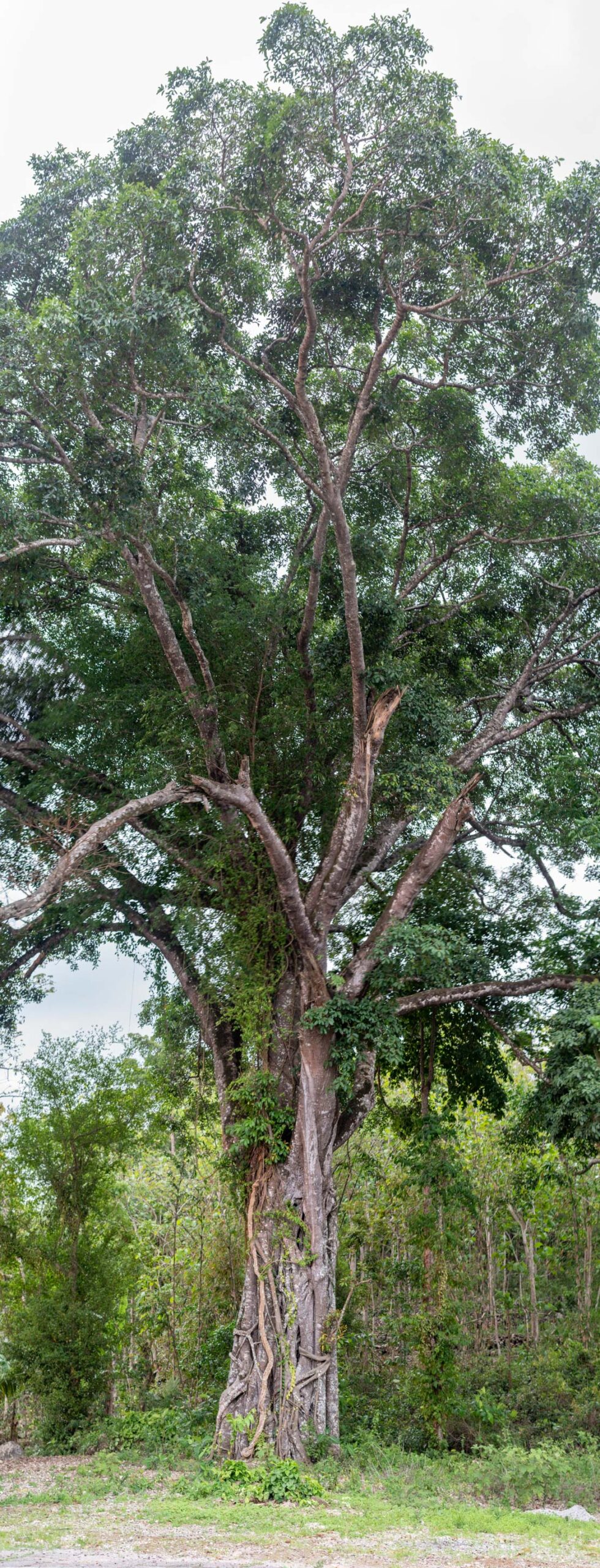
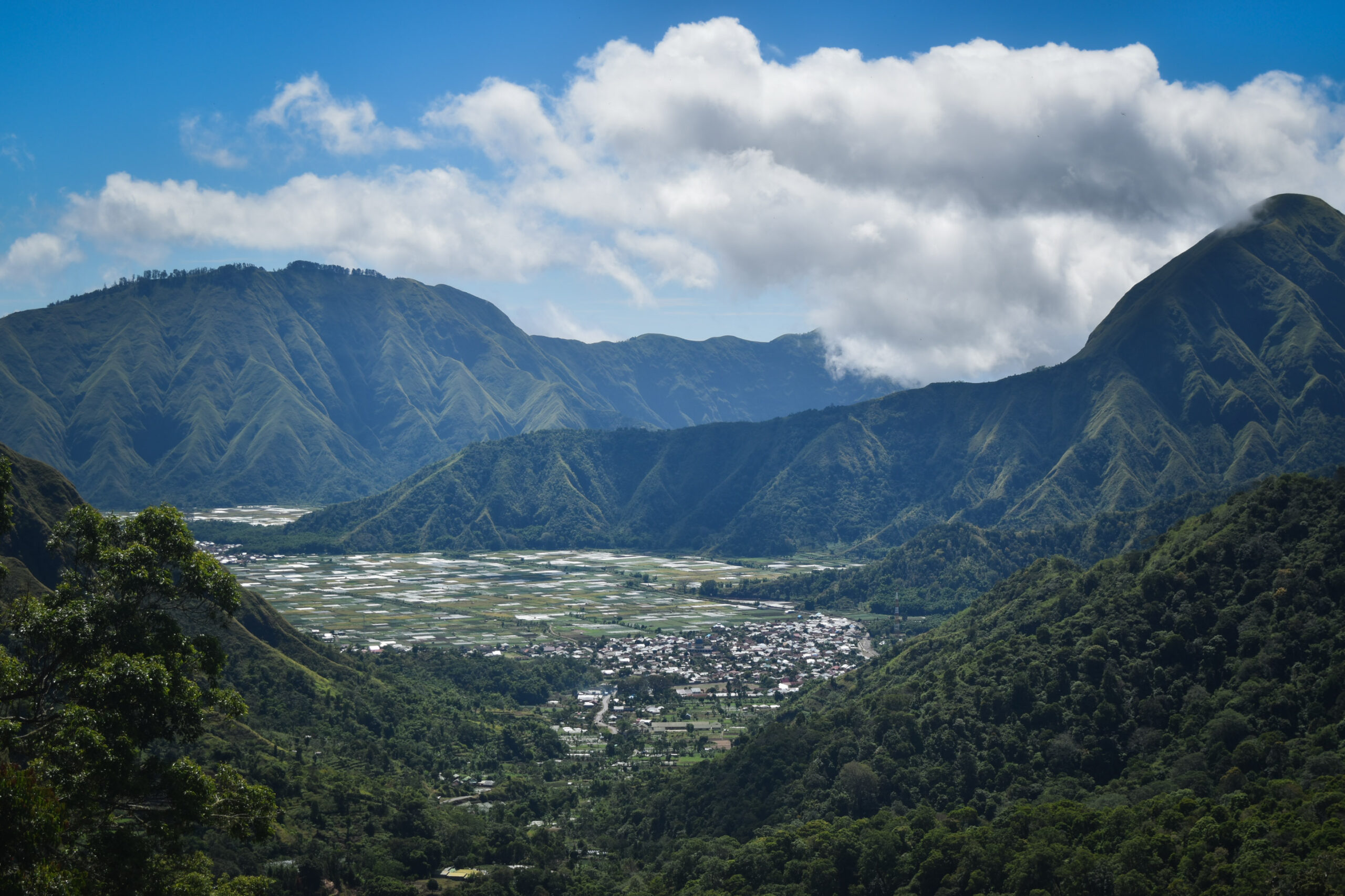
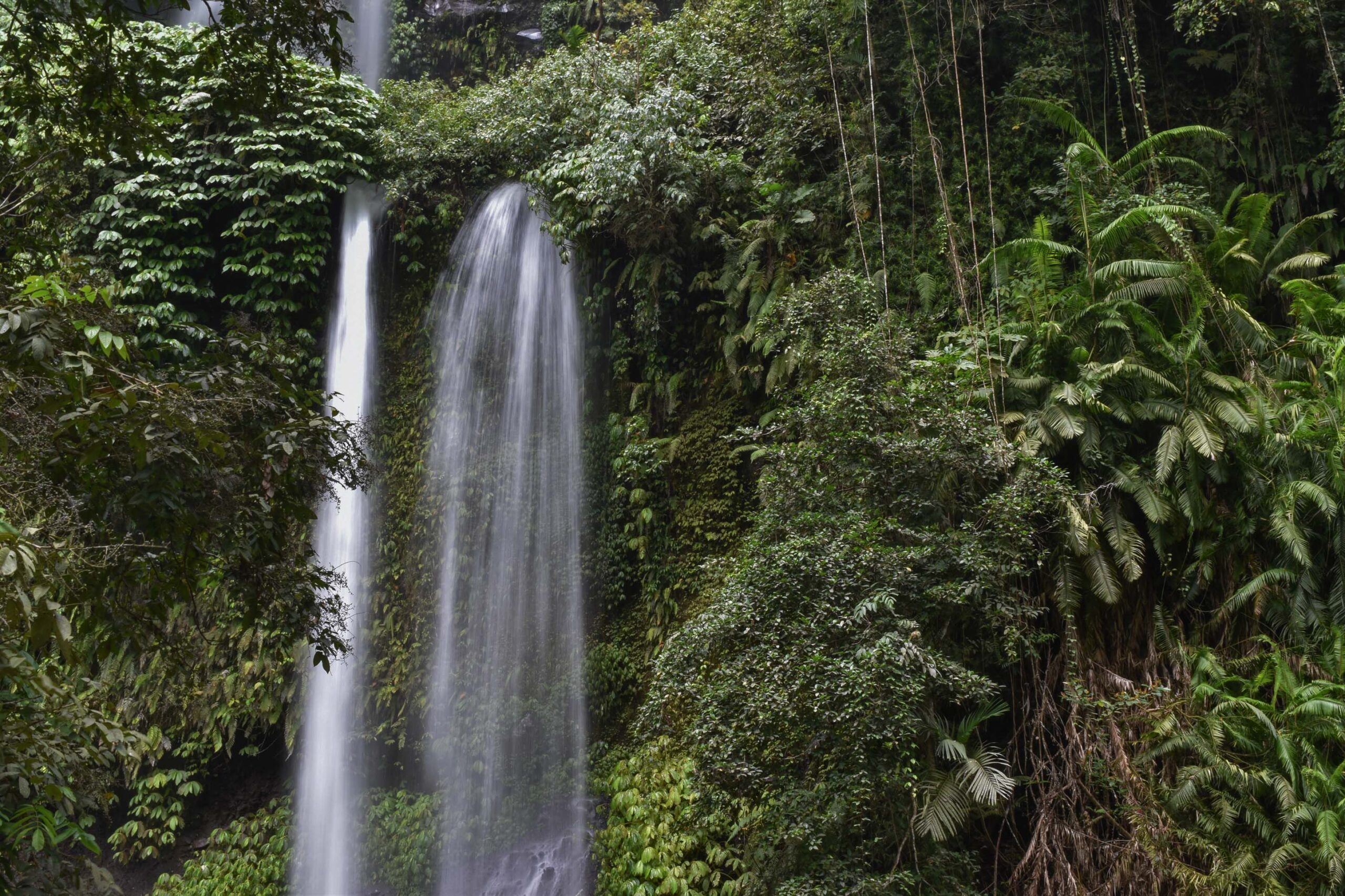
My field research includes observations conducted in protected and environmentally valuable areas of Poland and Indonesia, with particular emphasis on the oldest forest ecosystems (including monumental trees), wetlands, springs, rivers (with natural riverbeds), trough lakes and mountain landscapes (including mountain pastures), and karst landscapes (rocks and karst formations, caves, xerothermic grasslands). For my research, I usually choose natural and cultural landscapes (related to pastoral activities) and locations distinguished by varied terrain. I am fascinated by lichens, bryophytes, ferns, carnivorous plants, and rock vegetation, among other things.
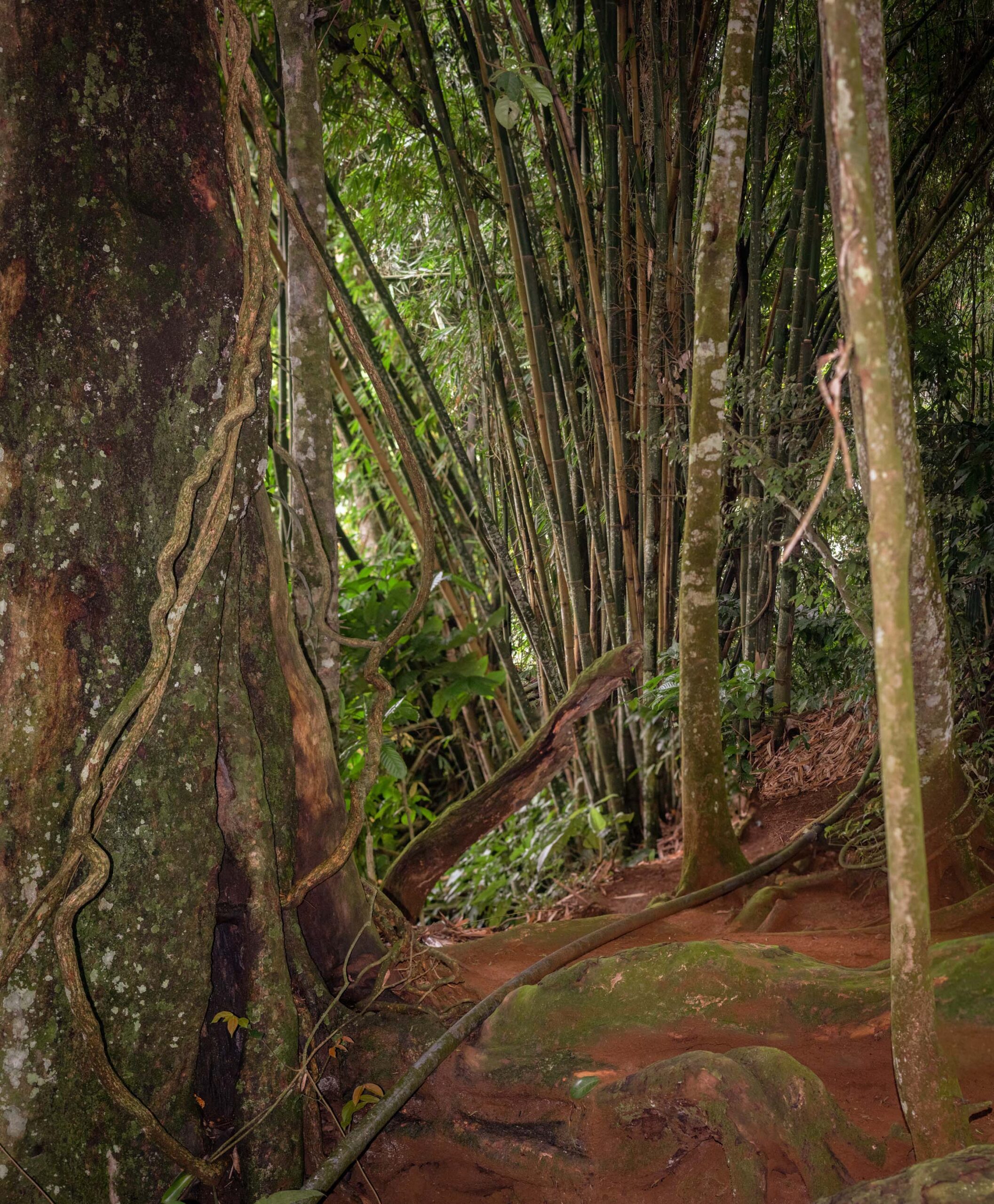
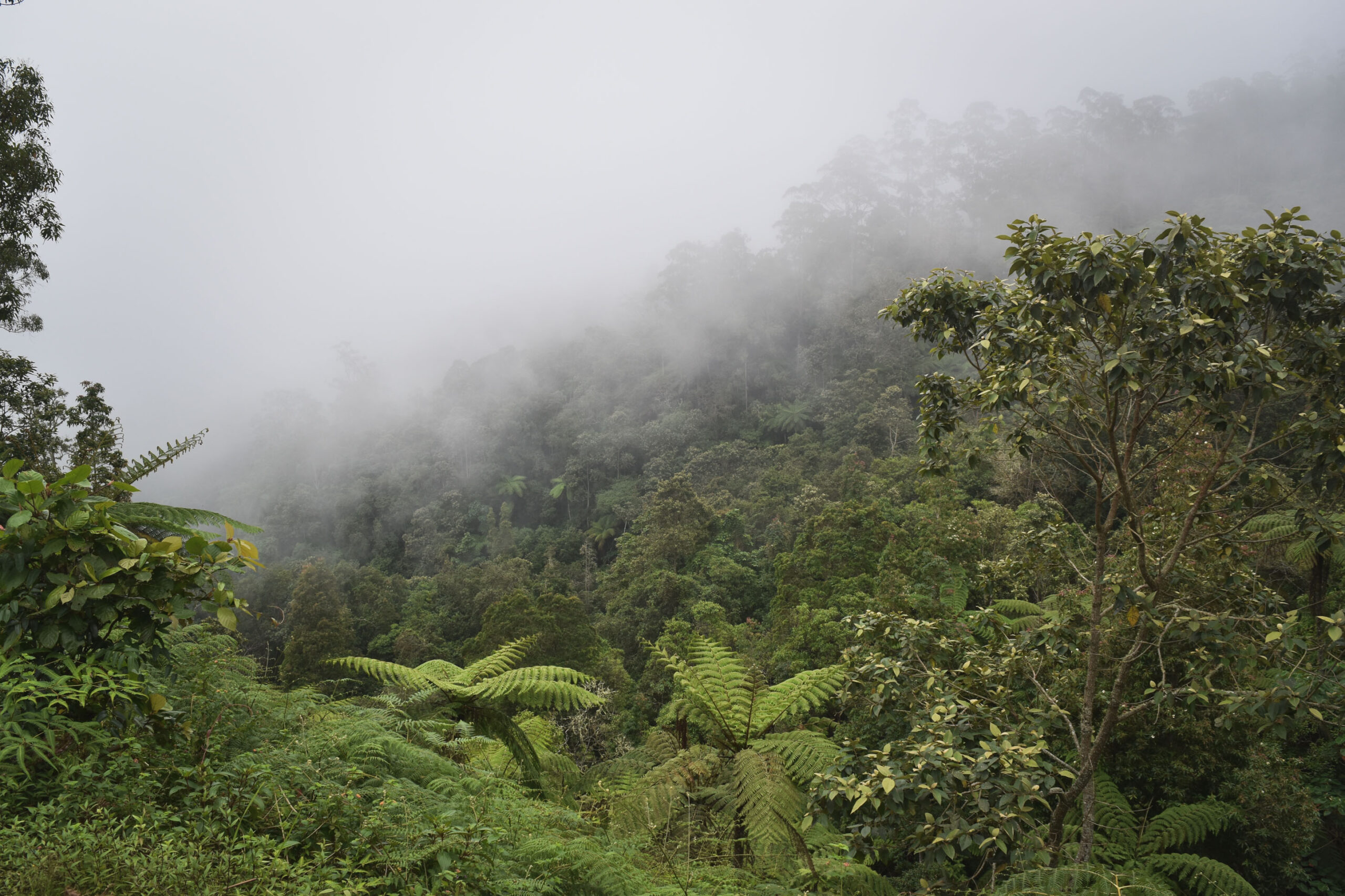
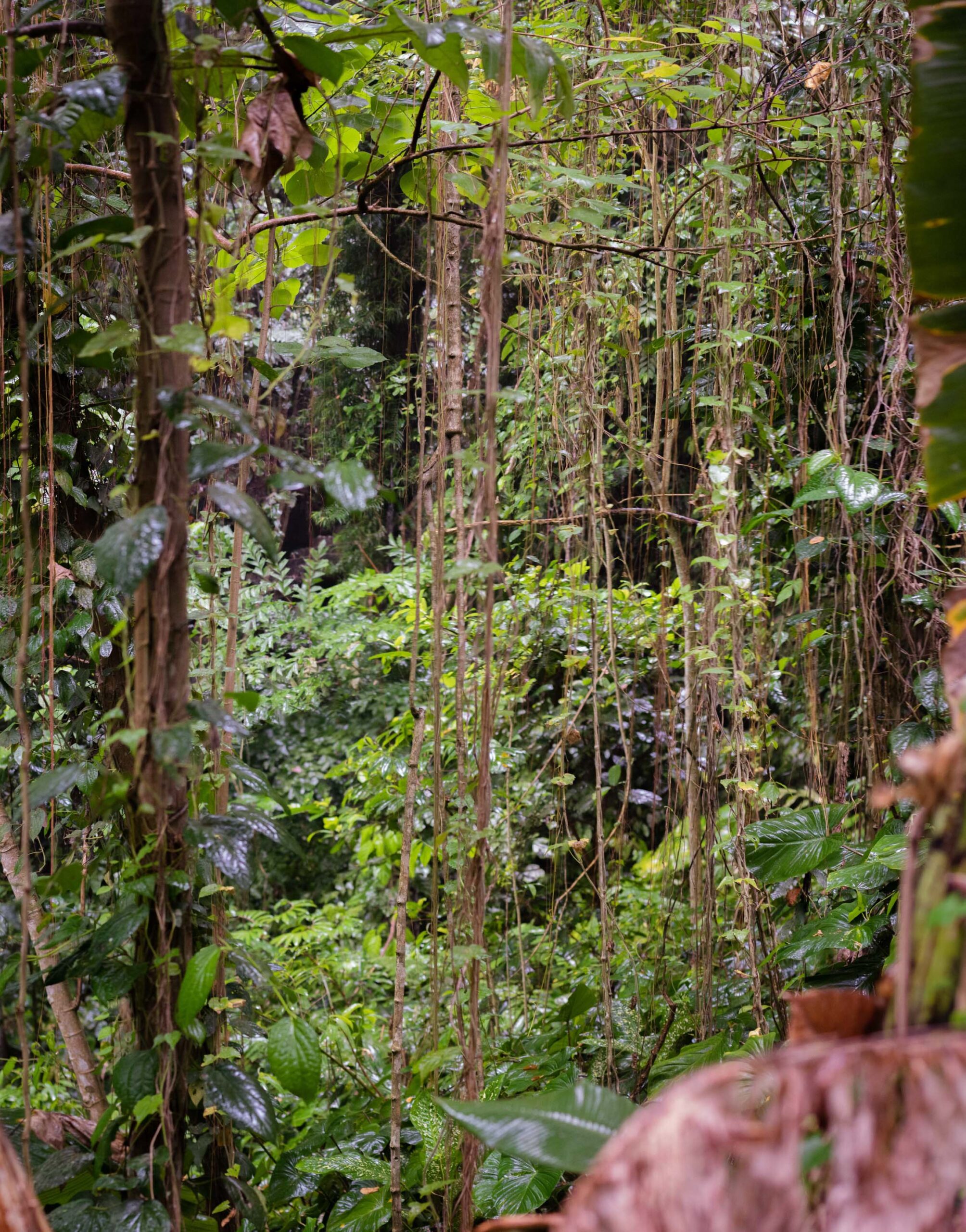
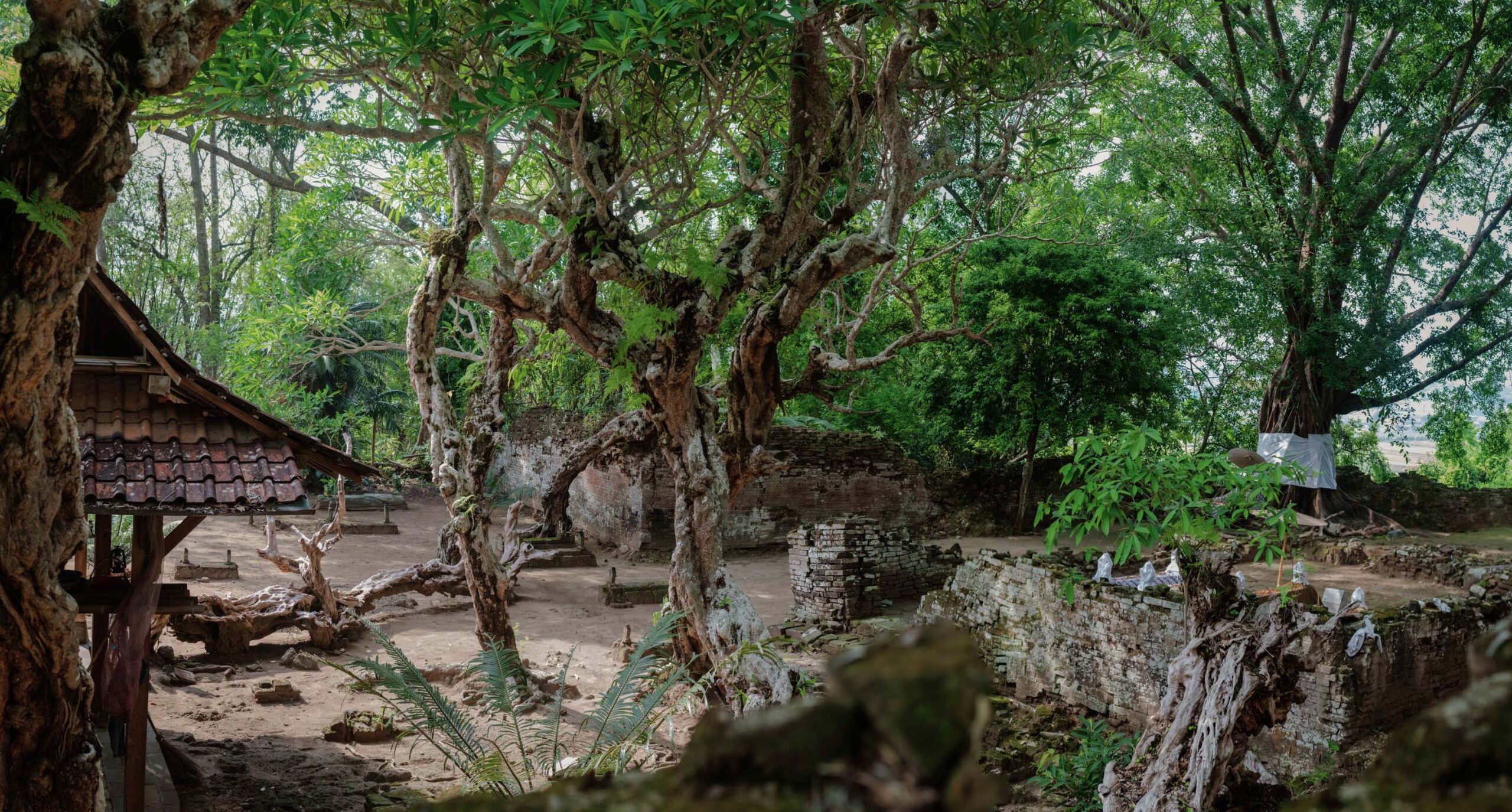
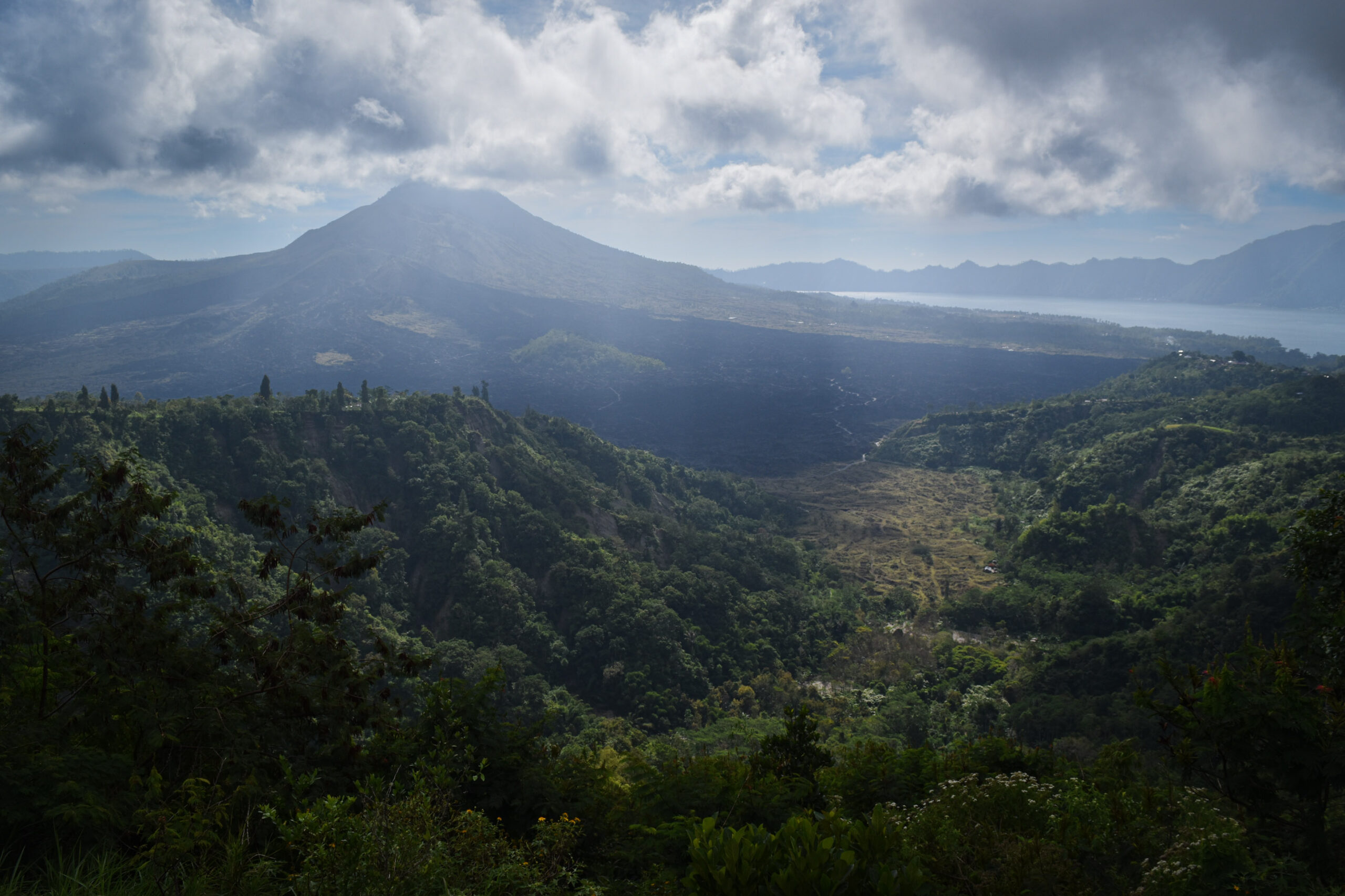
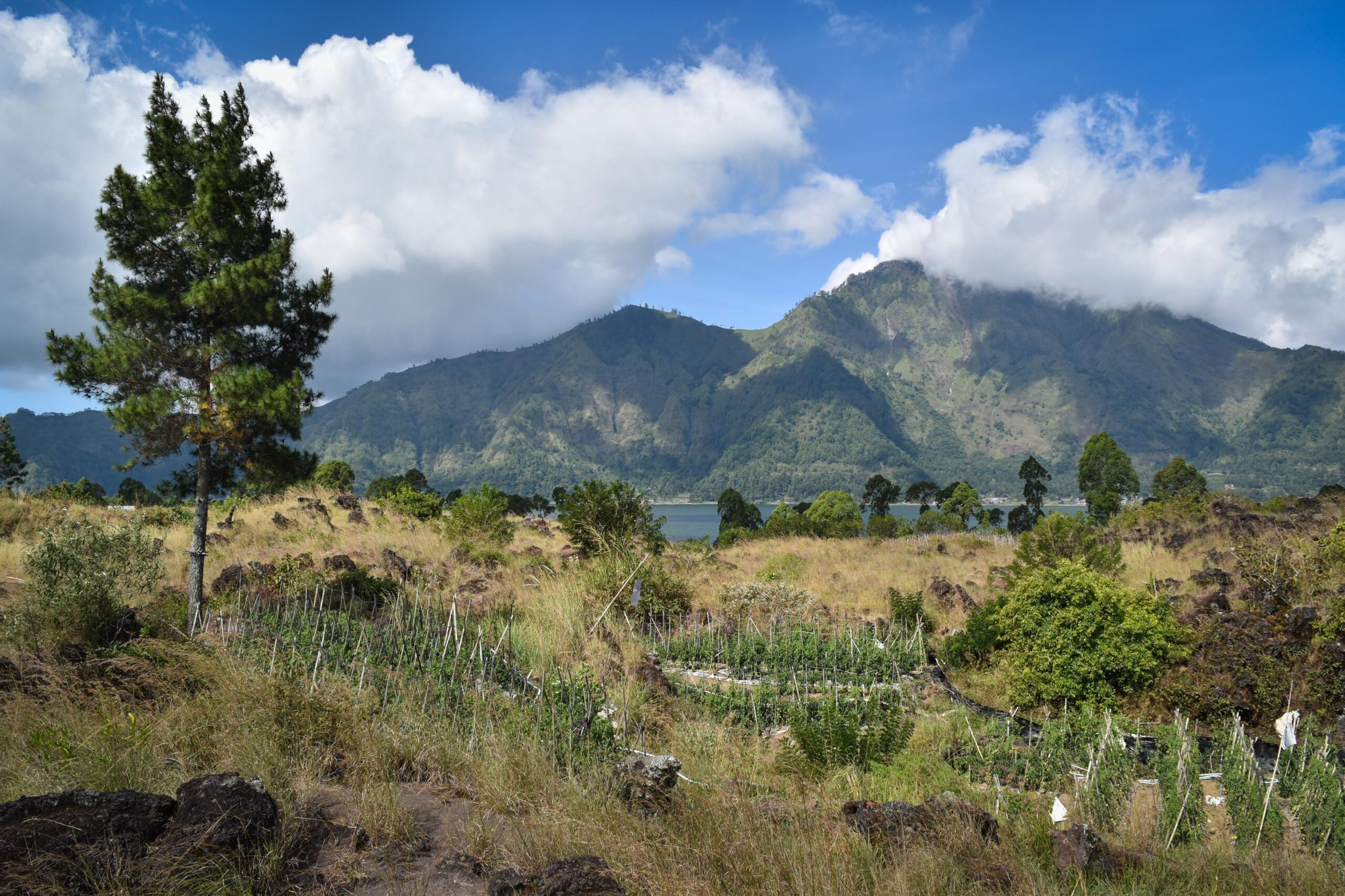
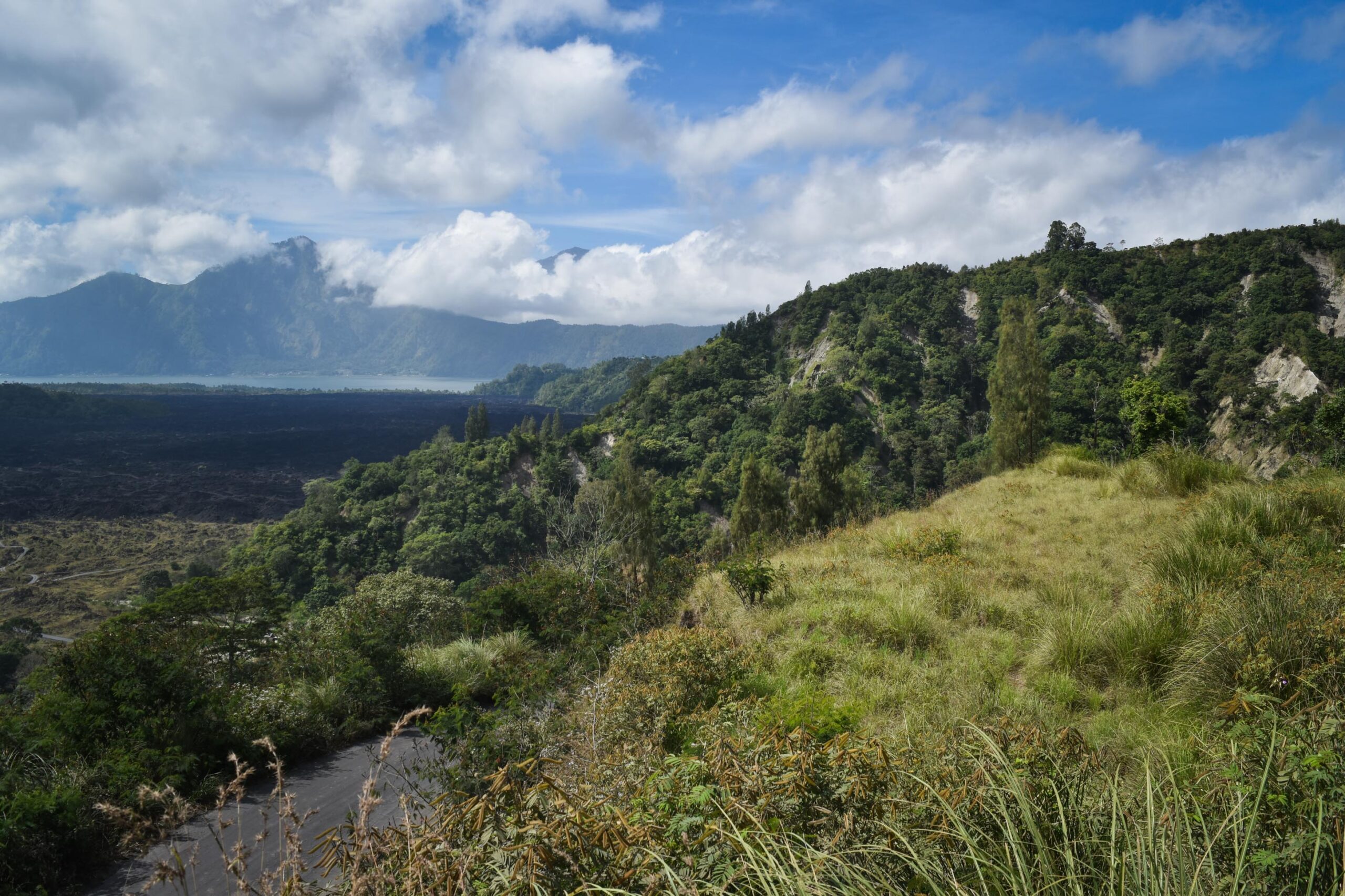
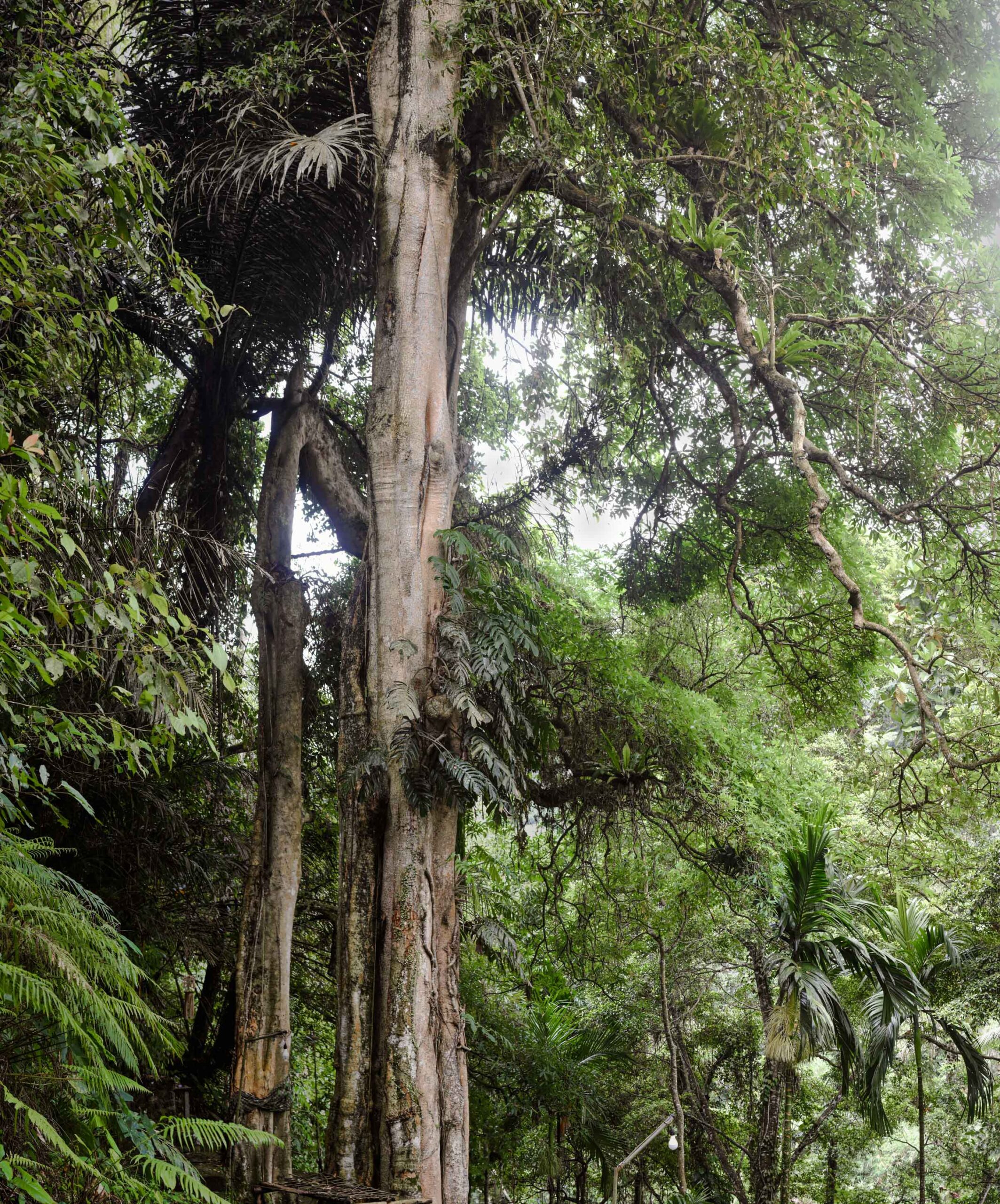
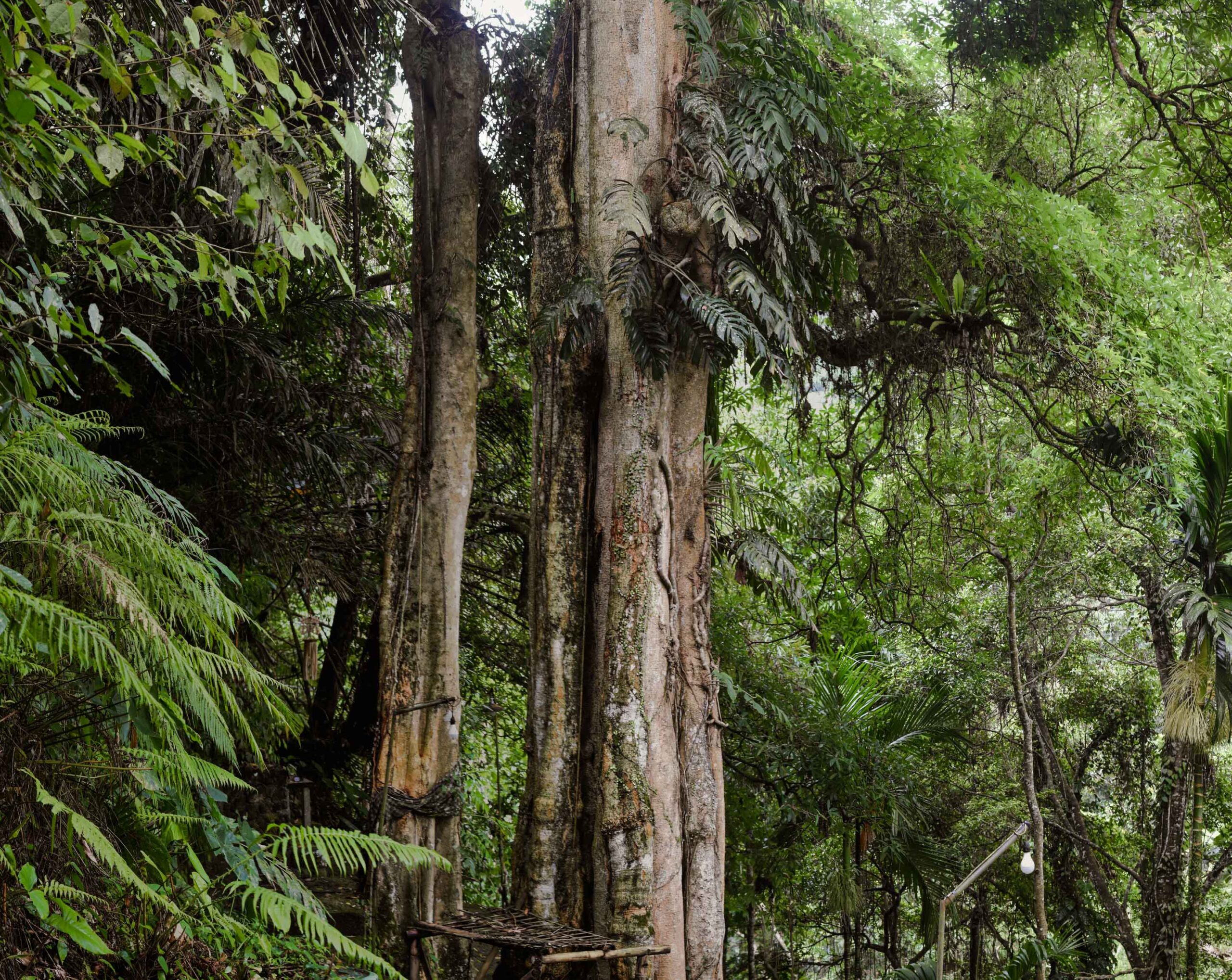
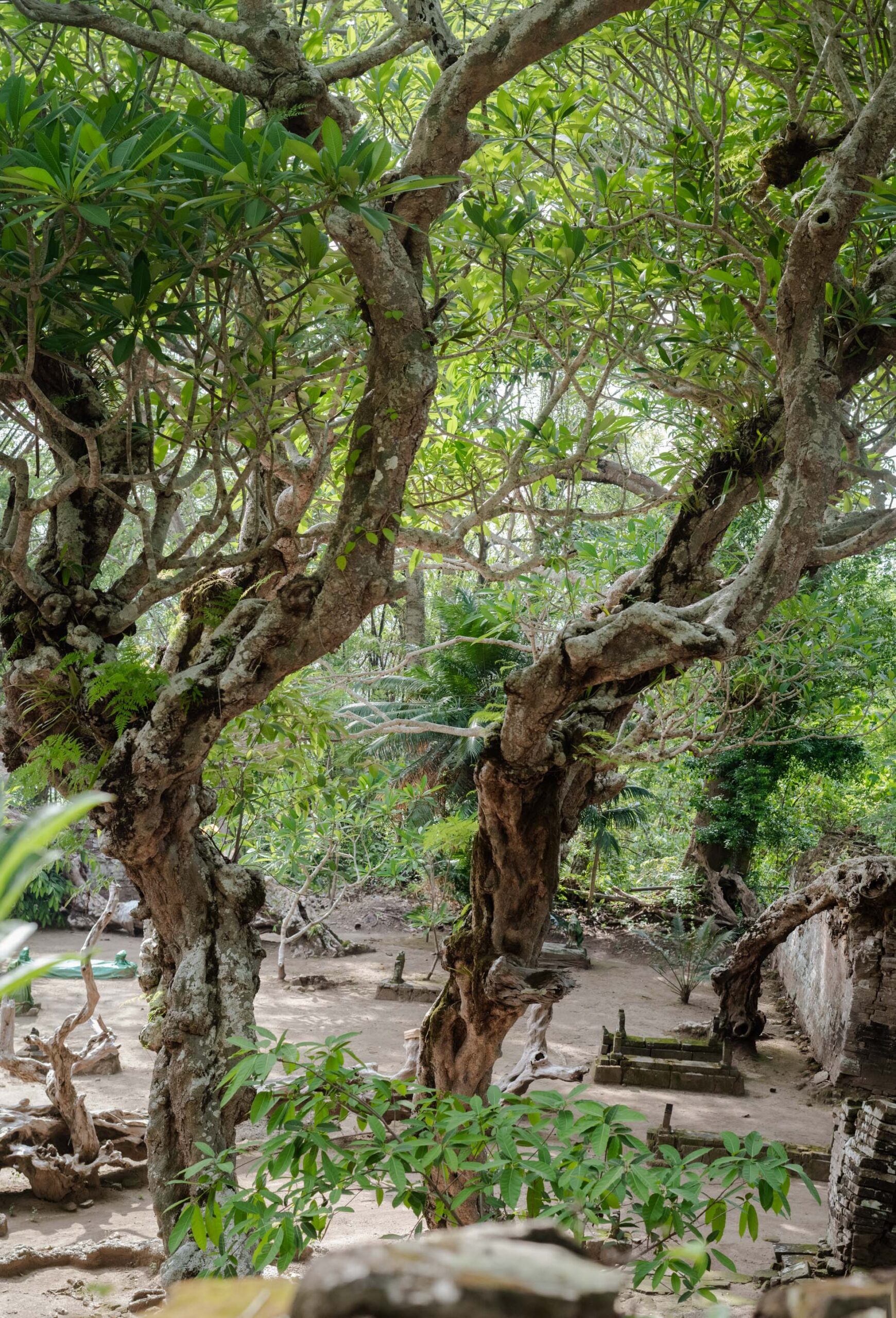
I most often work in the Kraków-Częstochowa Upland, the Beskids Mountains, and the Greater Poland region. In addition to Poland, my current research area also includes Indonesia, with which I have been associated since 2016 (annual scholarship from the Indonesian government Darmasiswa 2016/2017, as well as artist residencies and exhibitions in Java) . Most of my field research was conducted in the vicinity of Yogyakarta and Cirebon, searching for, among other things, the oldest trees (especially those connected to springs) and landscapes shaped by volcanic activity.
Cultural studies on the perception and representation of nature
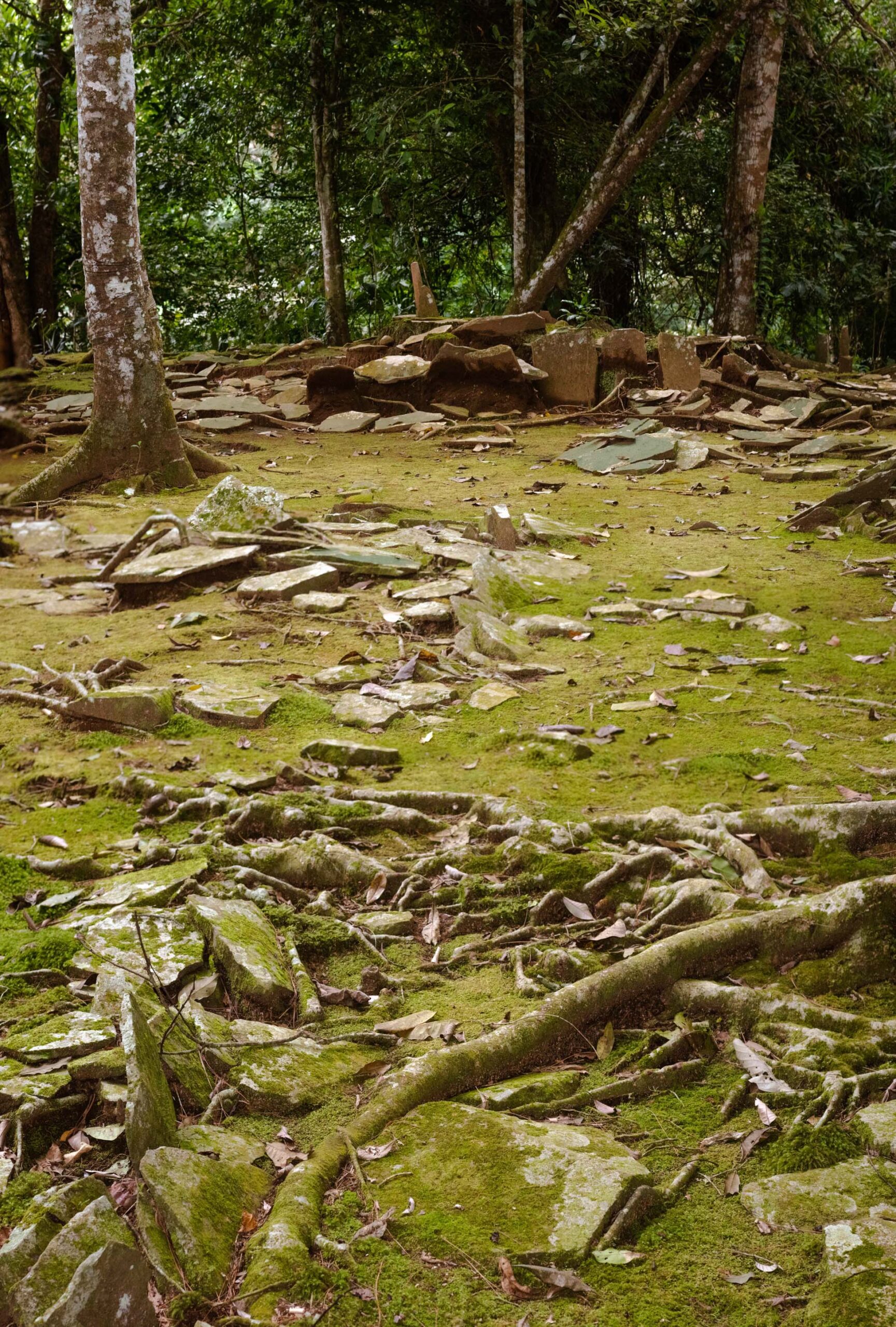
At the same time, I am conducting library and archival research on cultural ways of understanding and representing nature. I am investigating how different cultures perceive, interpret, symbolize, and represent nature - that is how people give meaning to natureThe focus of my fascination is the fully sensual, physical, and spiritual relationship between humans and nature. I am interested in ancient beliefs, rituals, traditions, and ceremonies related to nature - referring to the elements, plants, animals, and the cosmos. Depending on the project, I work with ways of representing nature in ancient literature, traditional dance, the presence of natural materials in ancient crafts, or the use of stone and earth in megalithic and ancient constructions. I often refer to the idea of microcosm and macrocosm present in ancient beliefs.
I am interested in how symbolic systems and ritual practices shape the way human communities perceive and co-create the natural environment.
Transdisciplinary research method
By combining empirical observations with reflection on culture, I treat research as a transdisciplinary process - combining methods drawn from the natural sciences, earth and environmental sciences, and the humanities with artistic practices. I do not seek to produce knowledge - scientific content - but rather to deepen our understanding of the relationship between humans and nature through experience, presence, and creative reinterpretations of diverse data.
As a result, my artistic activities are an attempt to create alternative models of environmental cognition - ones that take into account not only observation, but also intuition, imagination, and mindfulness as legitimate forms of contact with nature.
Theoretical contexts and discourses
My work can be interpreted in the context of: deep ecology, posthumanism (decentralization of humans, emphasis on interdependence, departure from hierarchical thinking about nature),relational philosophy, material studies and material ecocriticism (the importance of matter and its own agency in the analysis of culture, literature, and the environment; living beings and non-human processes influence the world and have their own meanings); environmental humanities / environmental storytelling (art as a form of constructing new narratives about the environment); geoaesthetics / geopoetics (the aesthetics of the earth, geological processes, landscape, and time); hydro-feminism / hydro-poetics (water as a medium of connections, memory, relationships, and corporeality); and slow art.
Tematyka i obszary badań terenowych 2020-2025
→ Góry → pasterstwo, zarastanie, współistnienie
→ Lasy → sieci relacji, grzybnia, długowieczność
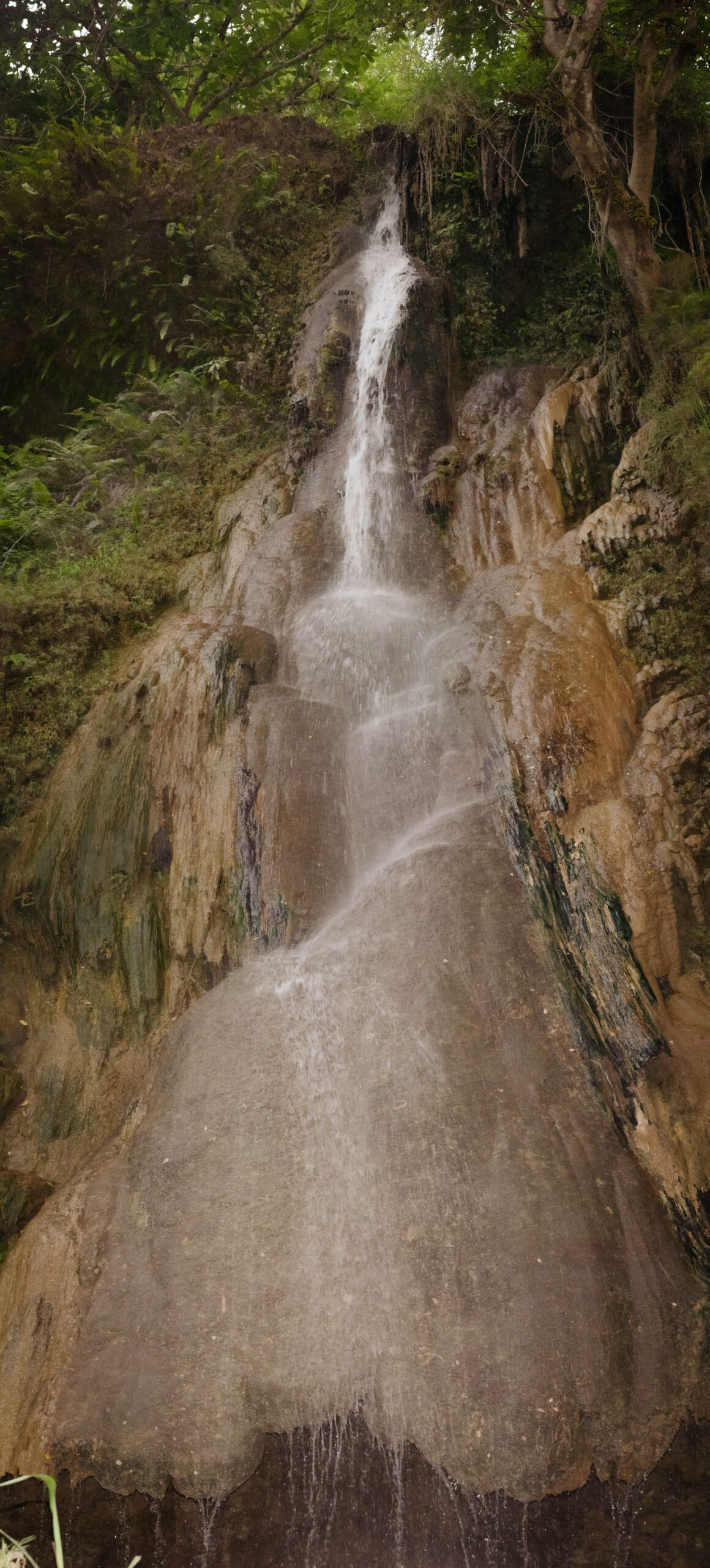
→ Woda → erozja, cyrkulacja, sprawczość
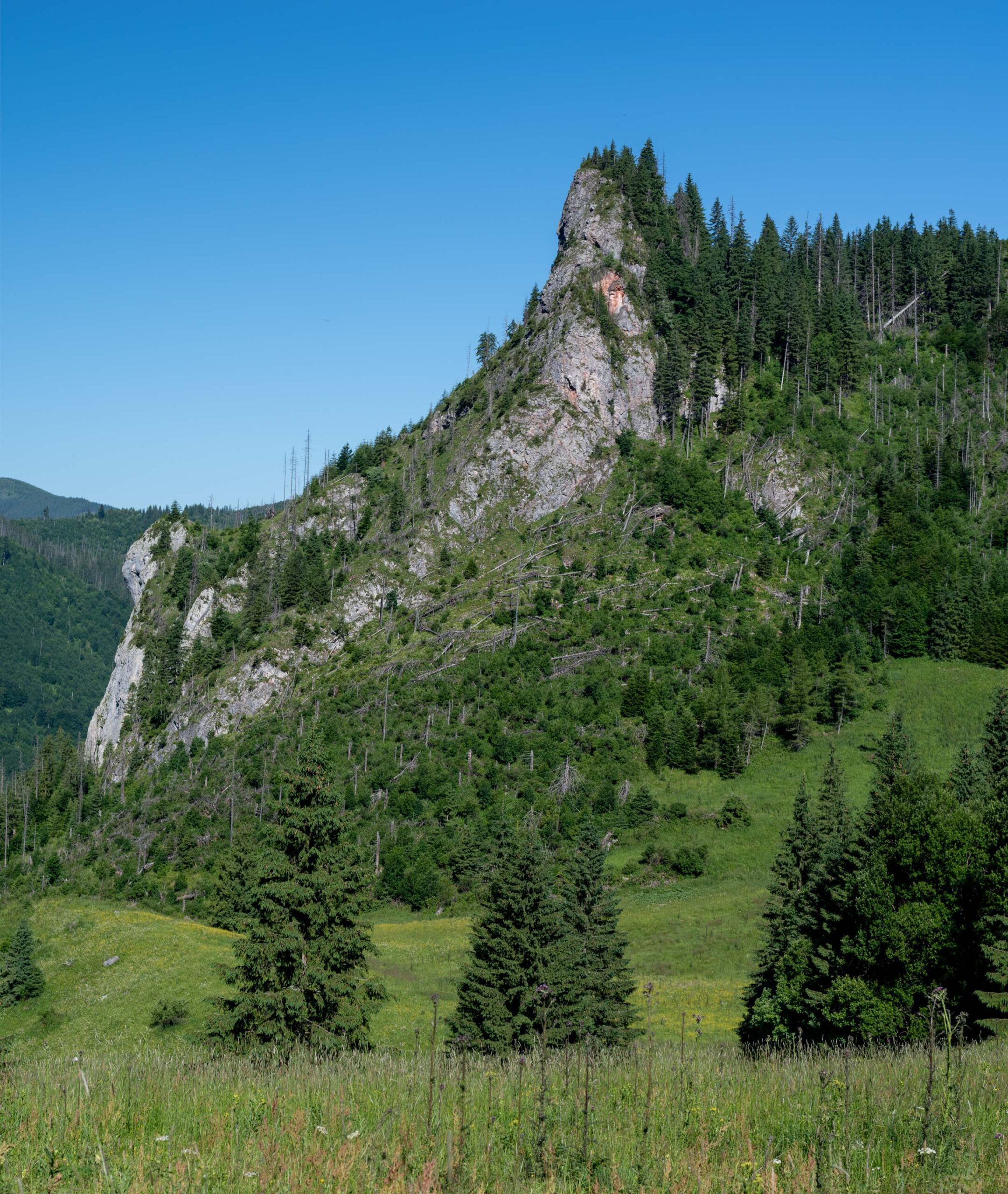
→ Jura → geomorfologia, skała, czas
→ Krajobraz polodowcowy → pamięć materii, głęboki czas
→ Środowisko Indonezji → drzewa, woda, wulkan, kosmologia
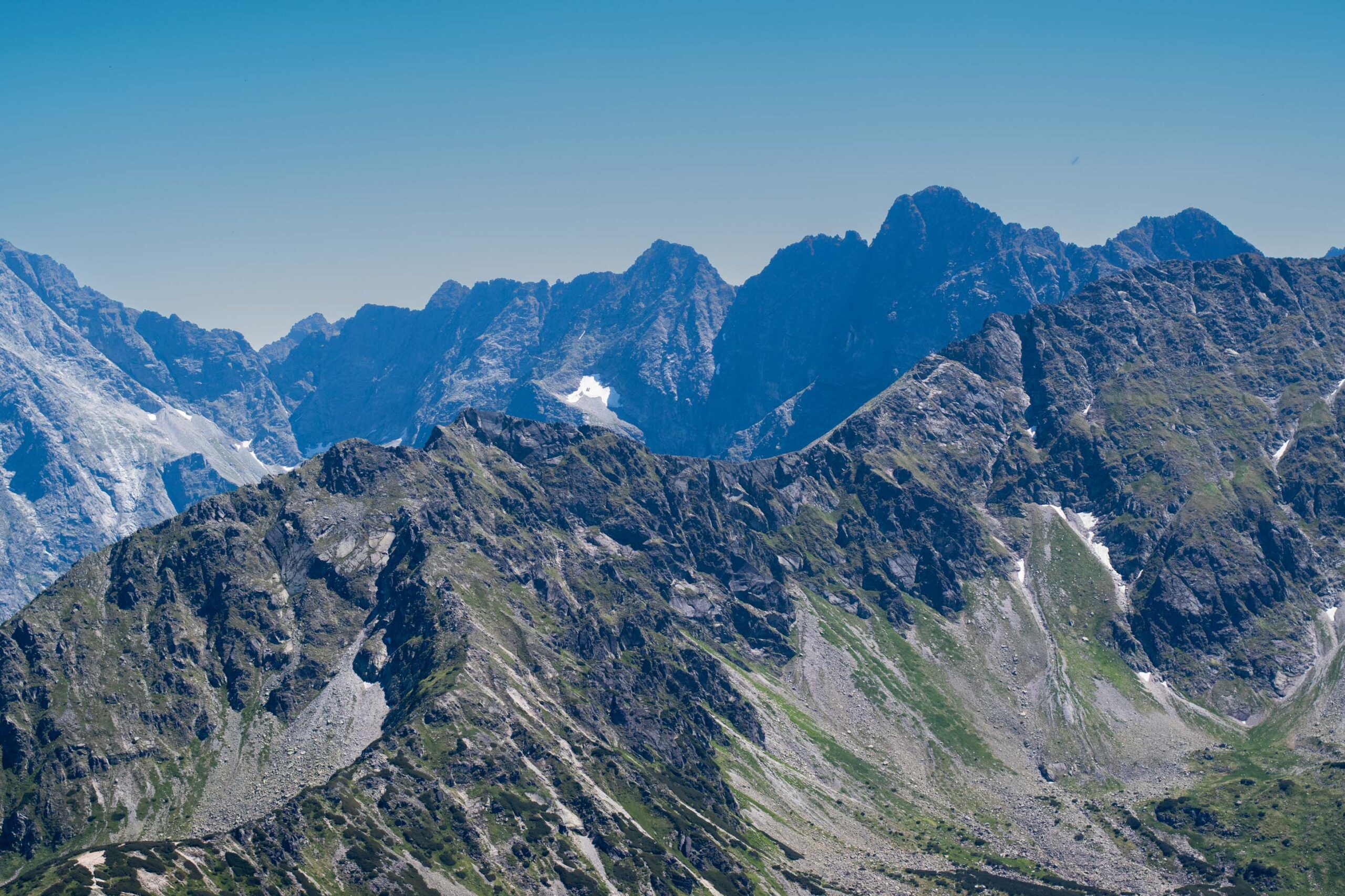
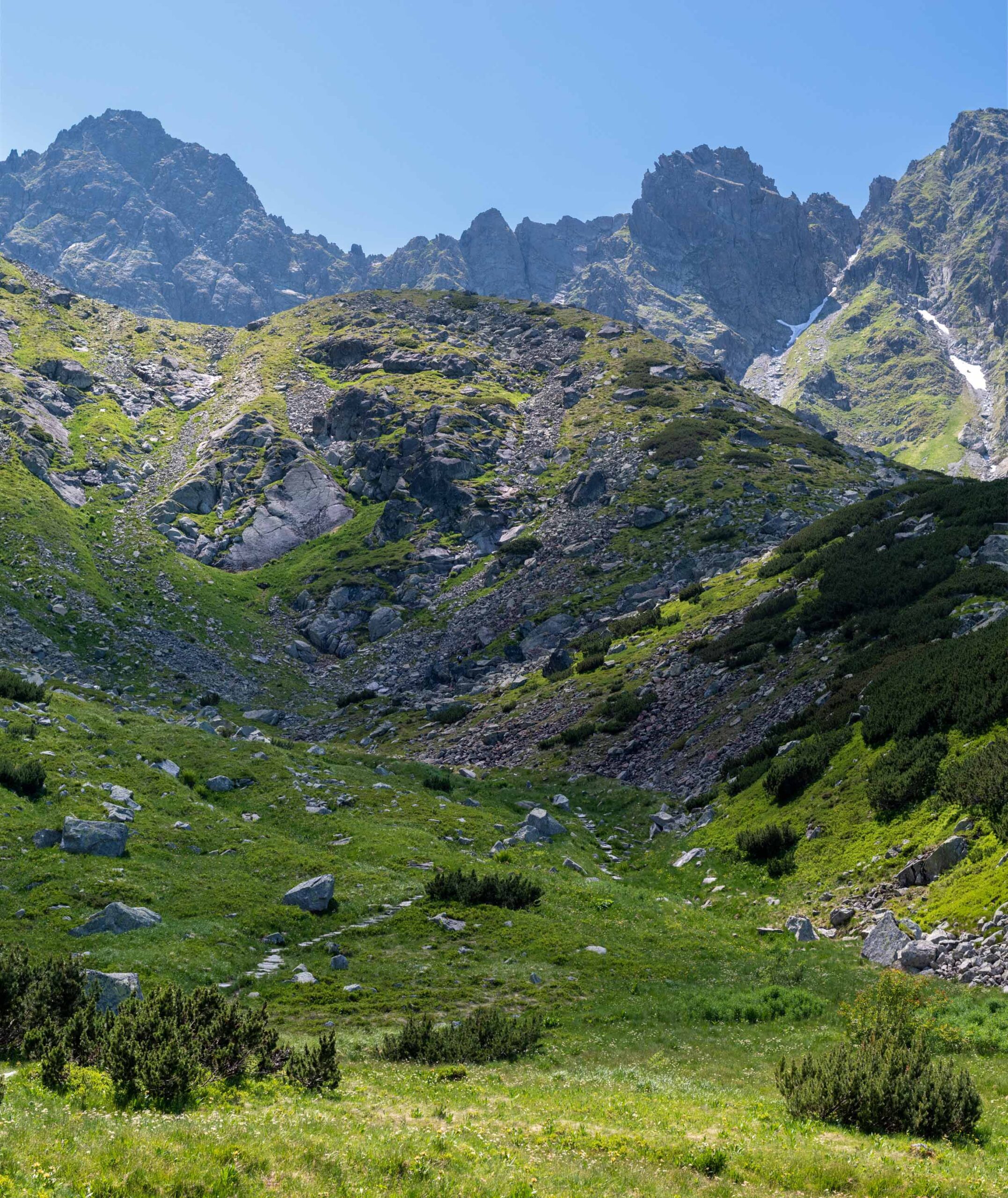
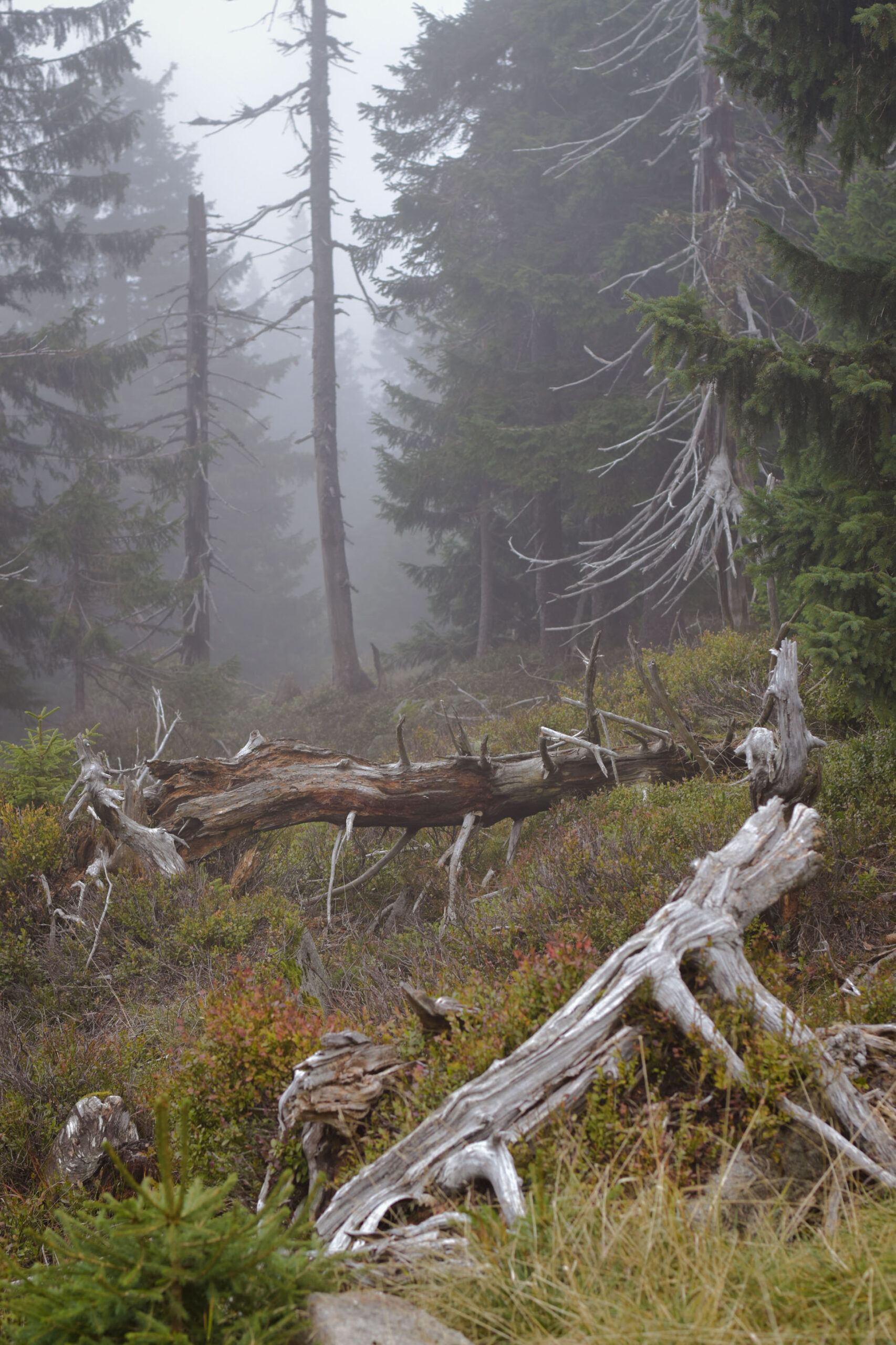
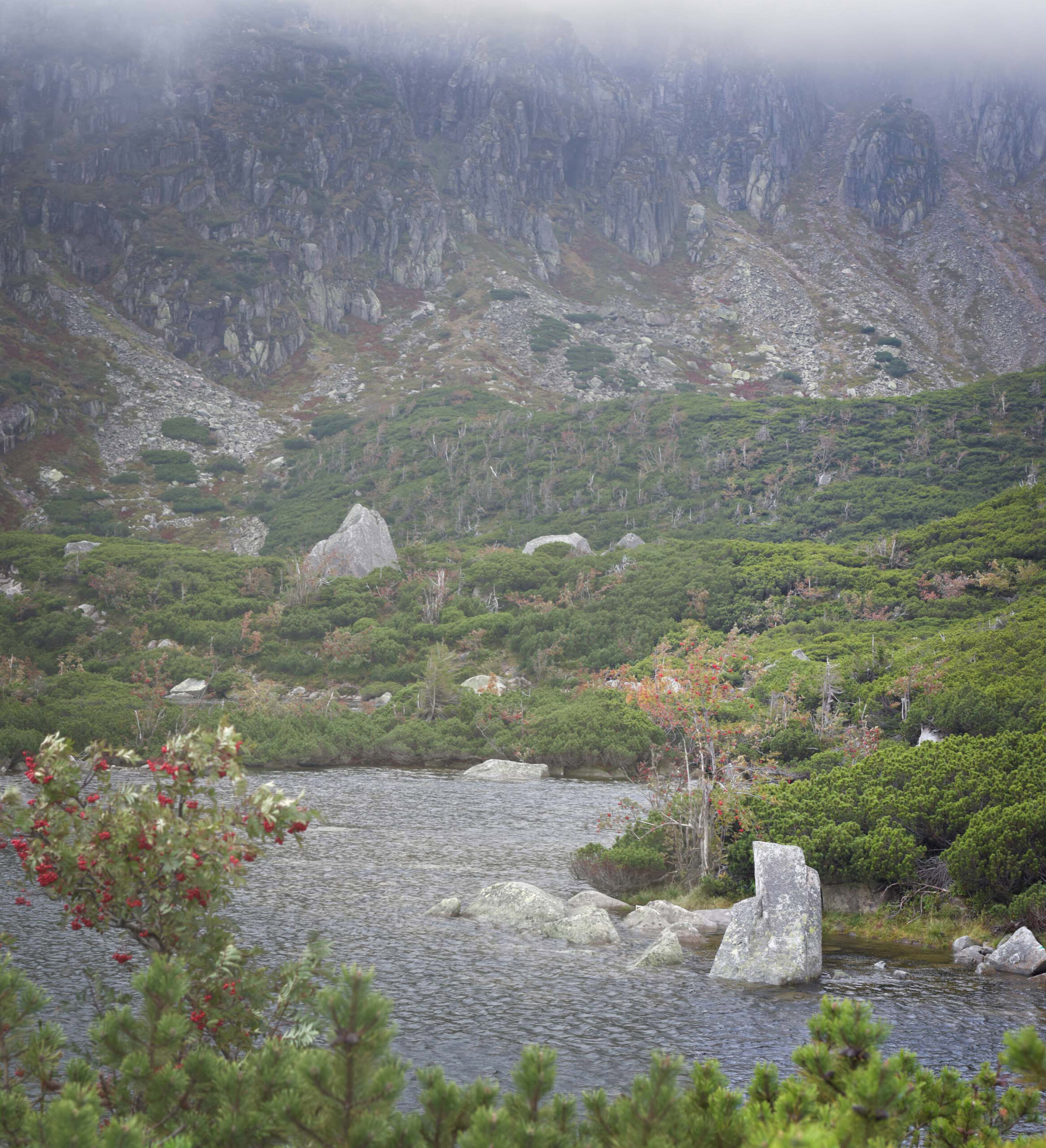
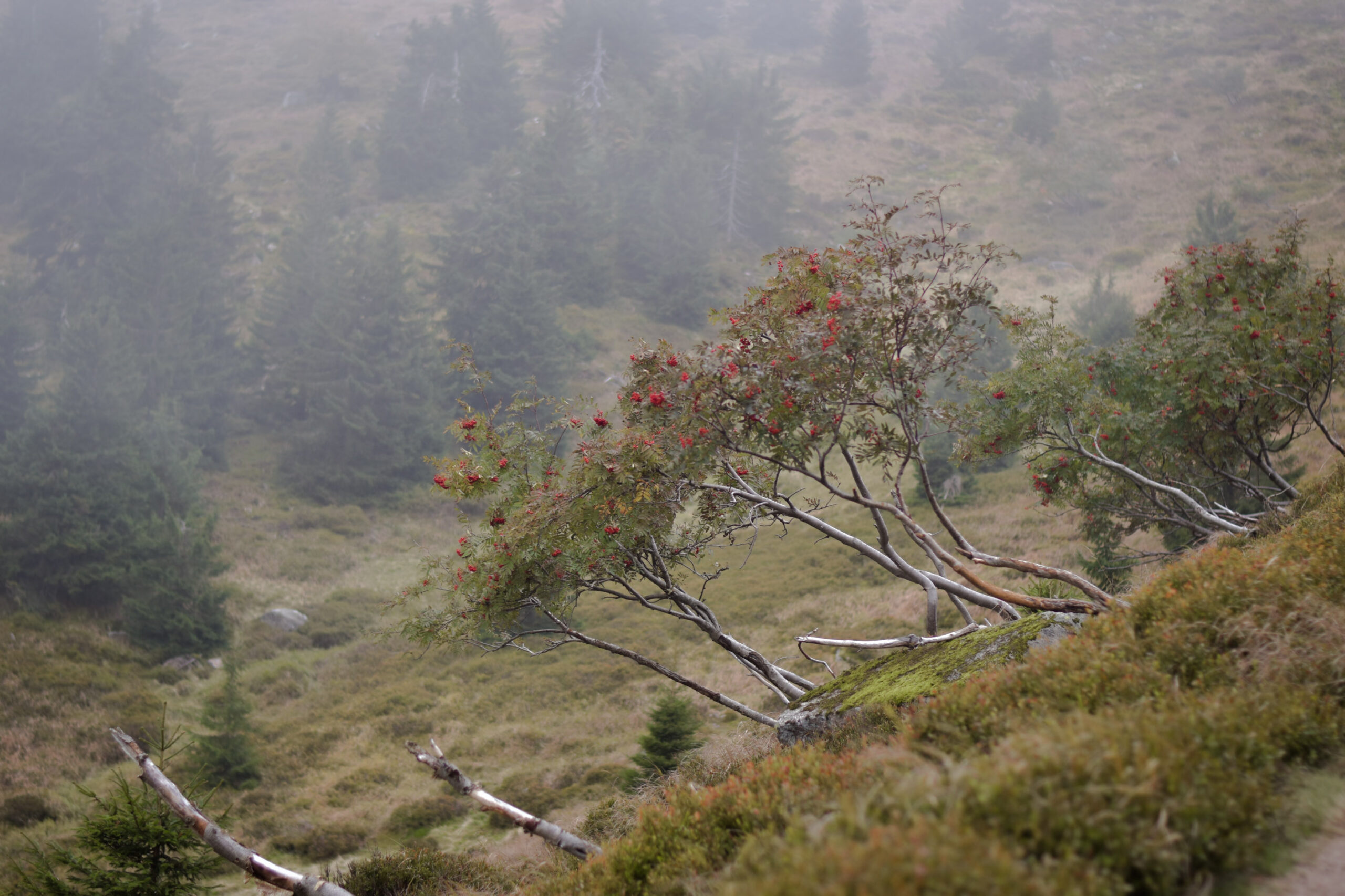
Obszary górskie / krajobrazy pasterskie
Krajobrazy współtworzone przez człowieka i przyrodę, istniejące dzięki długotrwałym relacjom i praktykom.
· krajobrazy górskie · pradawna puszcza karpacka · bioróżnorodność gór · koegzystencja człowieka i środowiska · hale pasterskie · kultura pasterska · krajobraz półnaturalny · wypas jako czynnik ekologiczny · pamięć krajobrazu · zarastanie hal · sukcesja ekologiczna · zanik tradycyjnych praktyk ·
Lokalizacje: Żywiecki Park Krajobrazowy, Park Krajobrazowy Beskidu Śląskiego, Park Krajobrazowy Beskidu Małego, Tatrzański Park Narodowy, Karkonoski Park Narodowy, Popradzki Park Krajobrazowy, Babiogórski Park Narodowy, Pieniński Park Narodowy
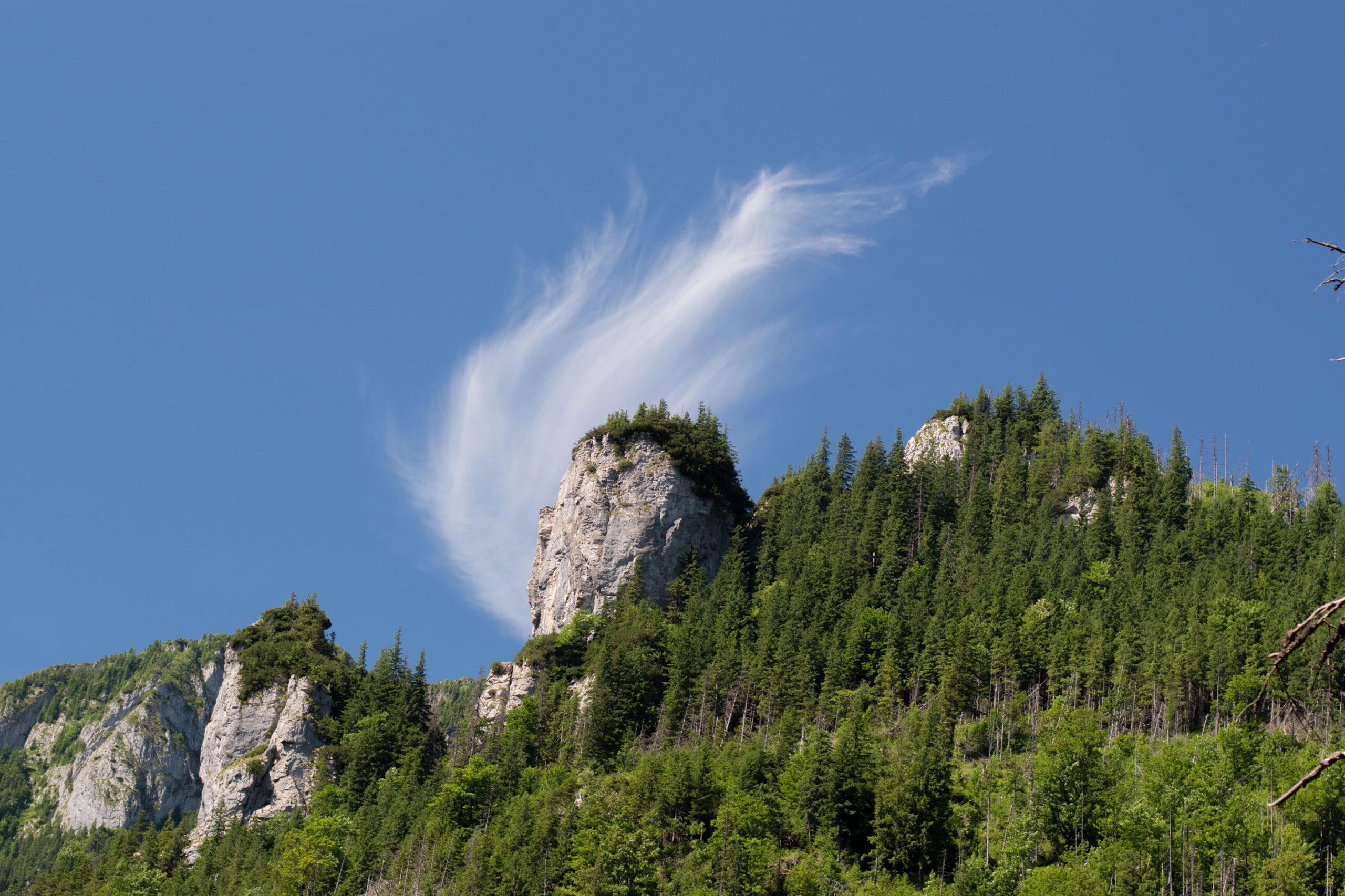
Ekosystemy jurajskie
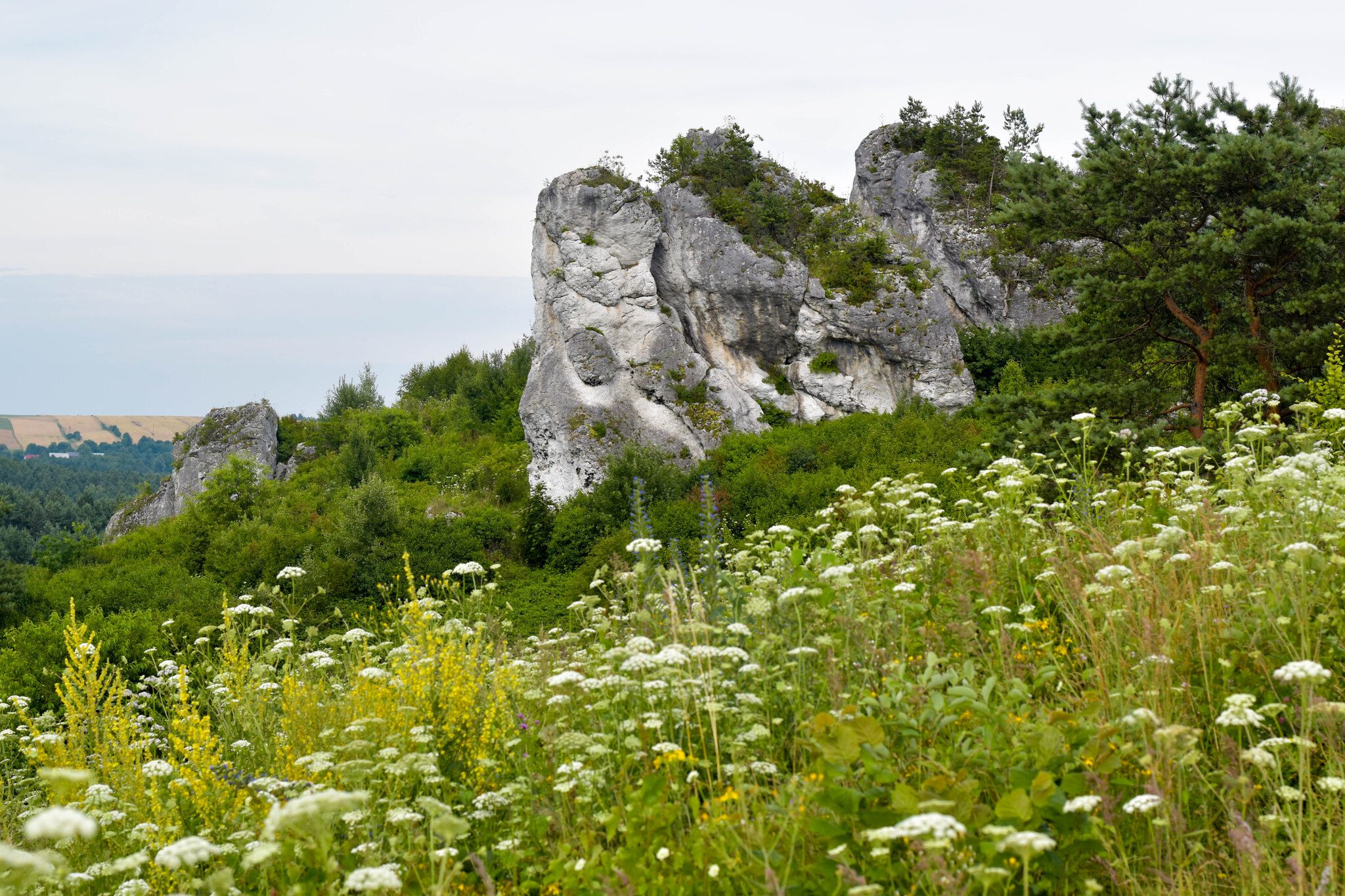
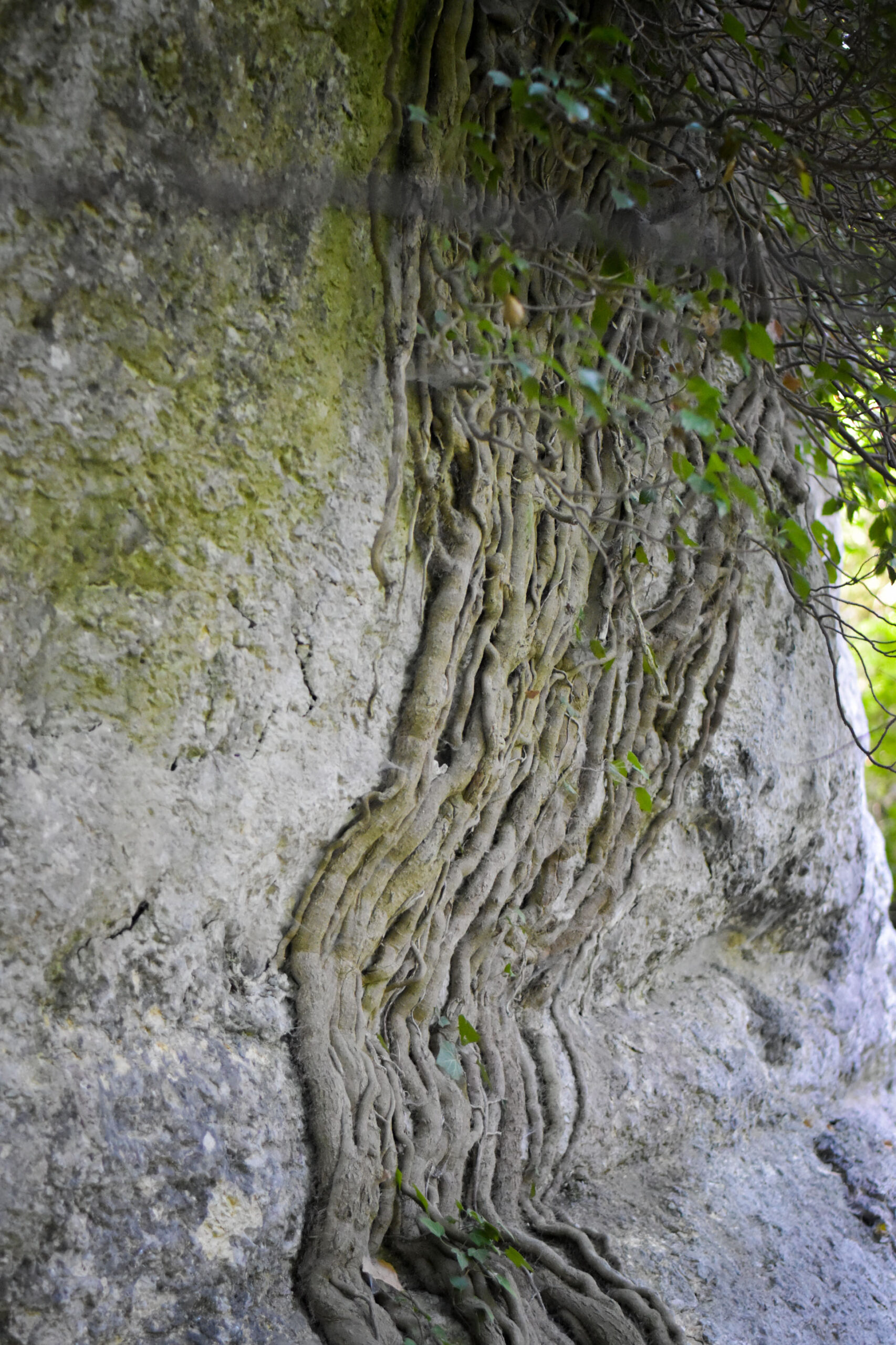
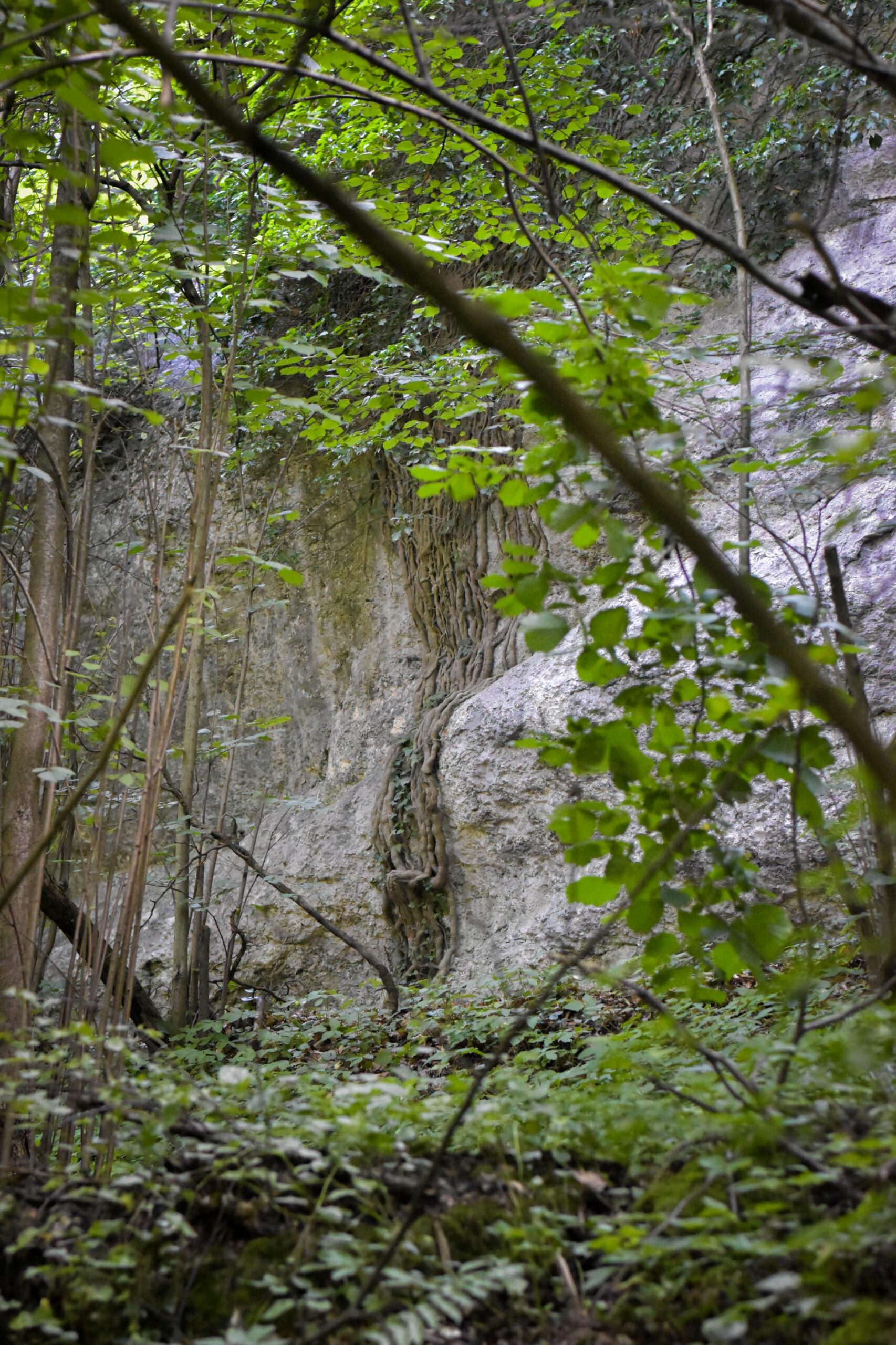
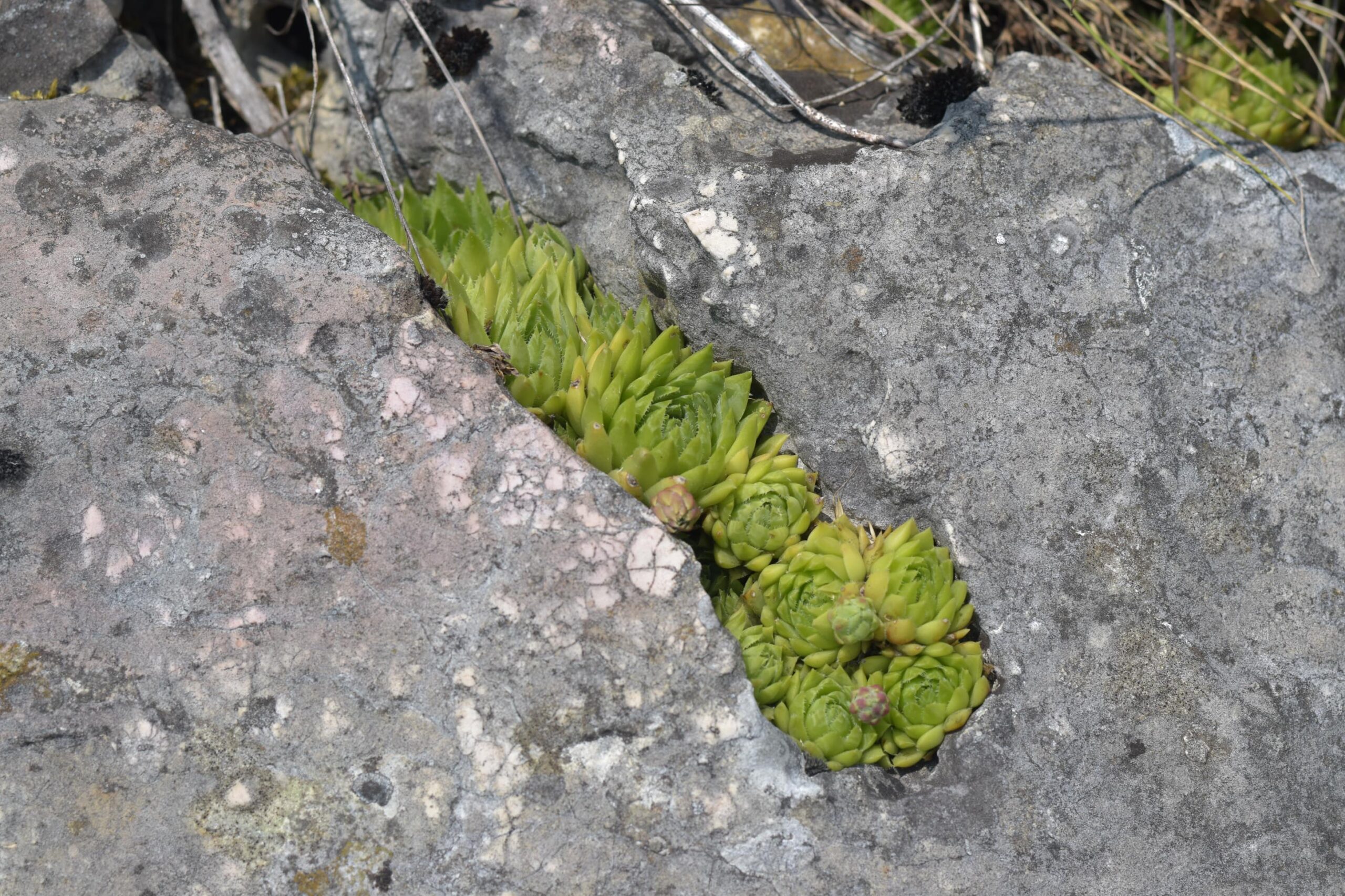
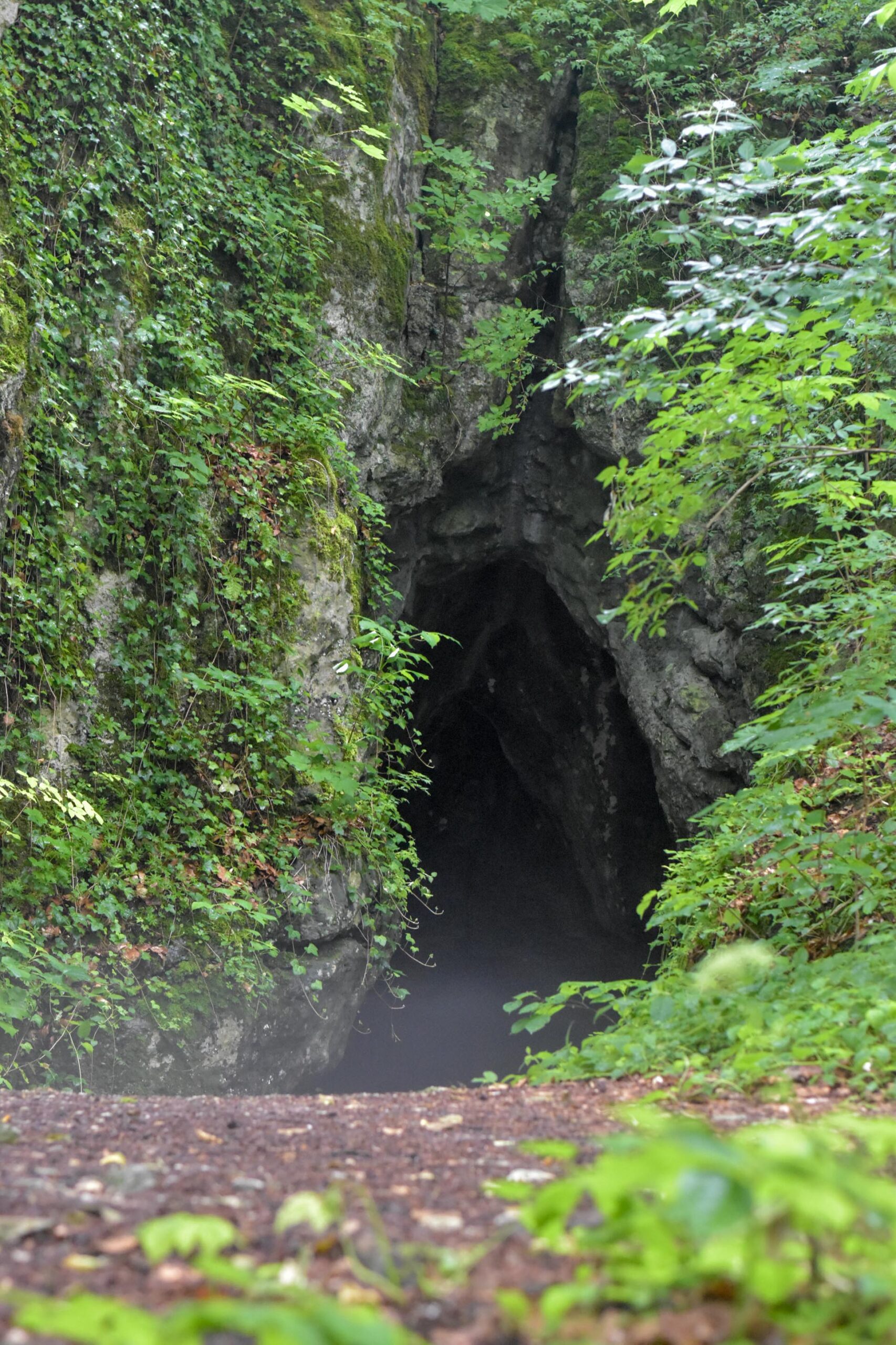
Krajobrazy formowane przez głęboki czas geologiczny i powolne procesy erozji.
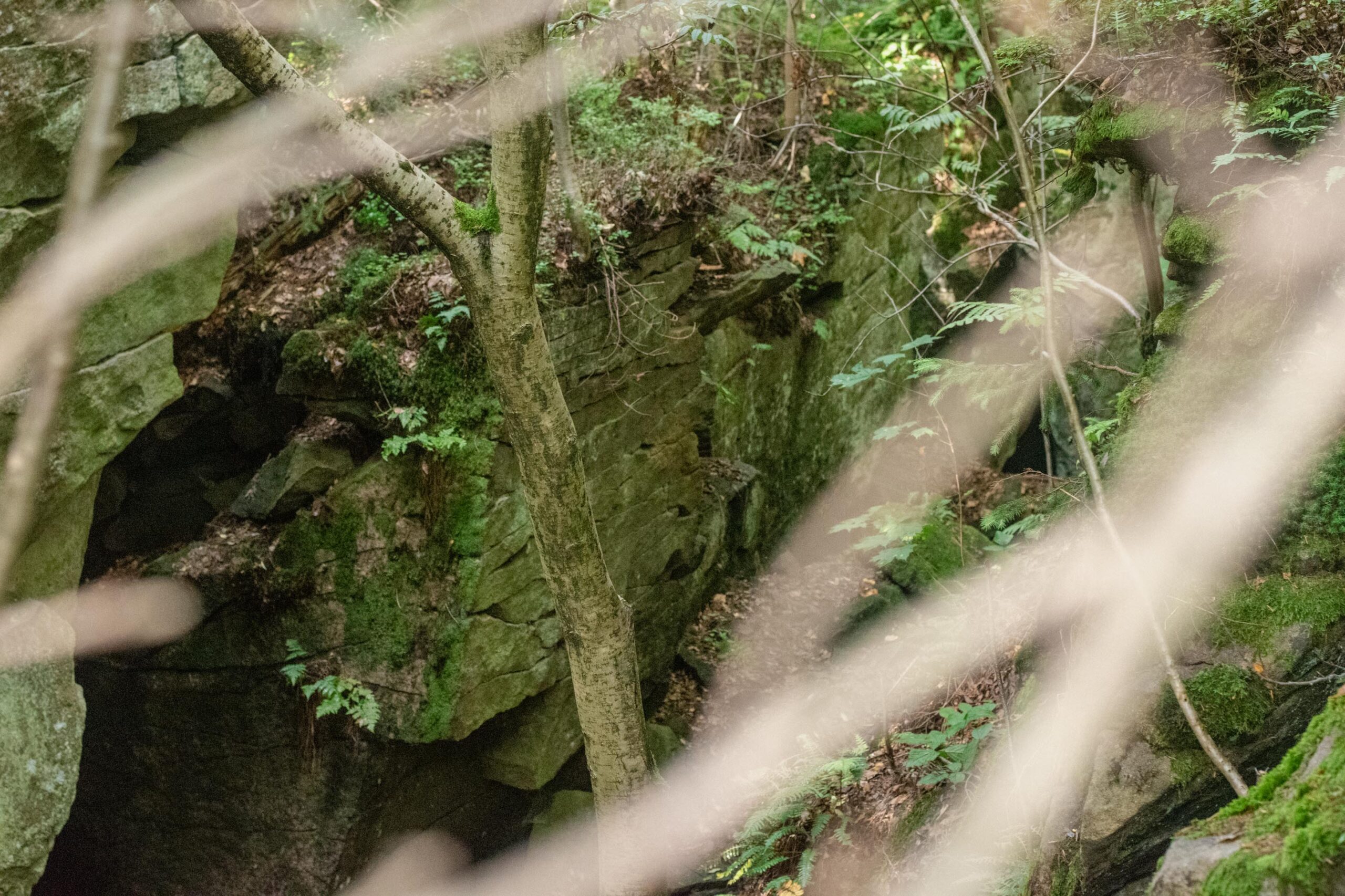
· krajobraz krasowy · geomorfologia · skała wapienna · pozostałości oceanu Tetyda · deep time · erozja · obieg materii · formy krasowe · czas geologiczny · jaskinie · murawy kserotermiczne · roślinność naskalna ·
Lokalizacje: Park Krajobrazowy Orlich Gniazd, obszary chronione okolic Chrzanowa, Park Krajobrazowy Dolinki Krakowskie
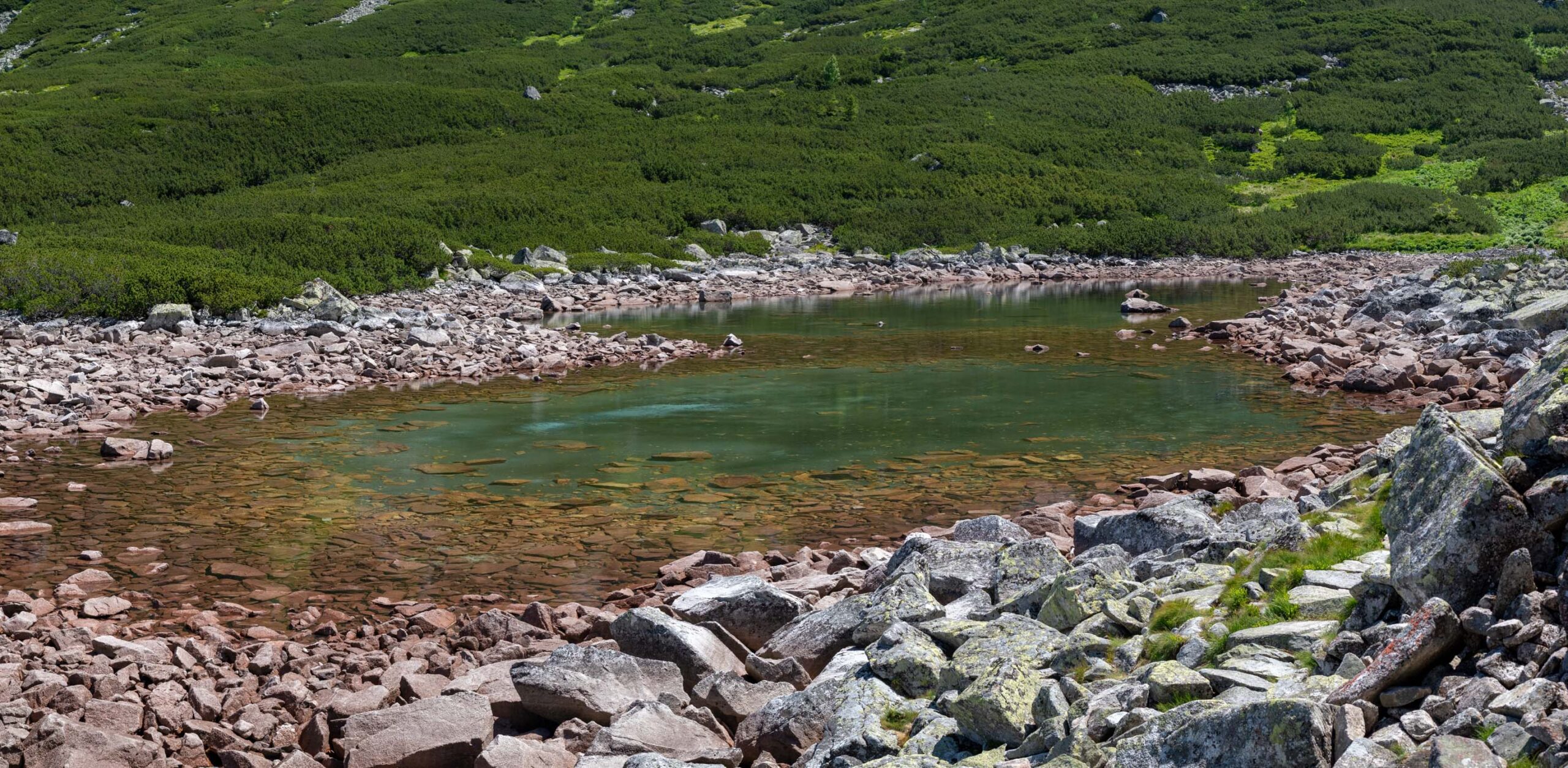
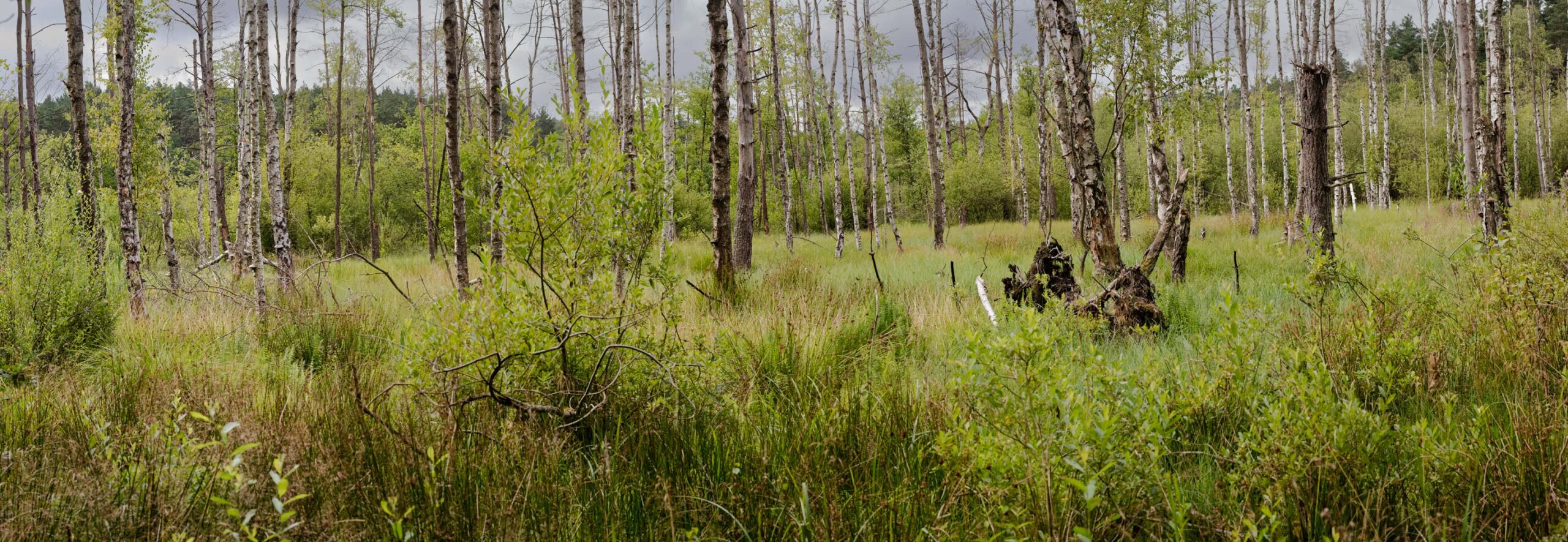
Ekosystemy wodne
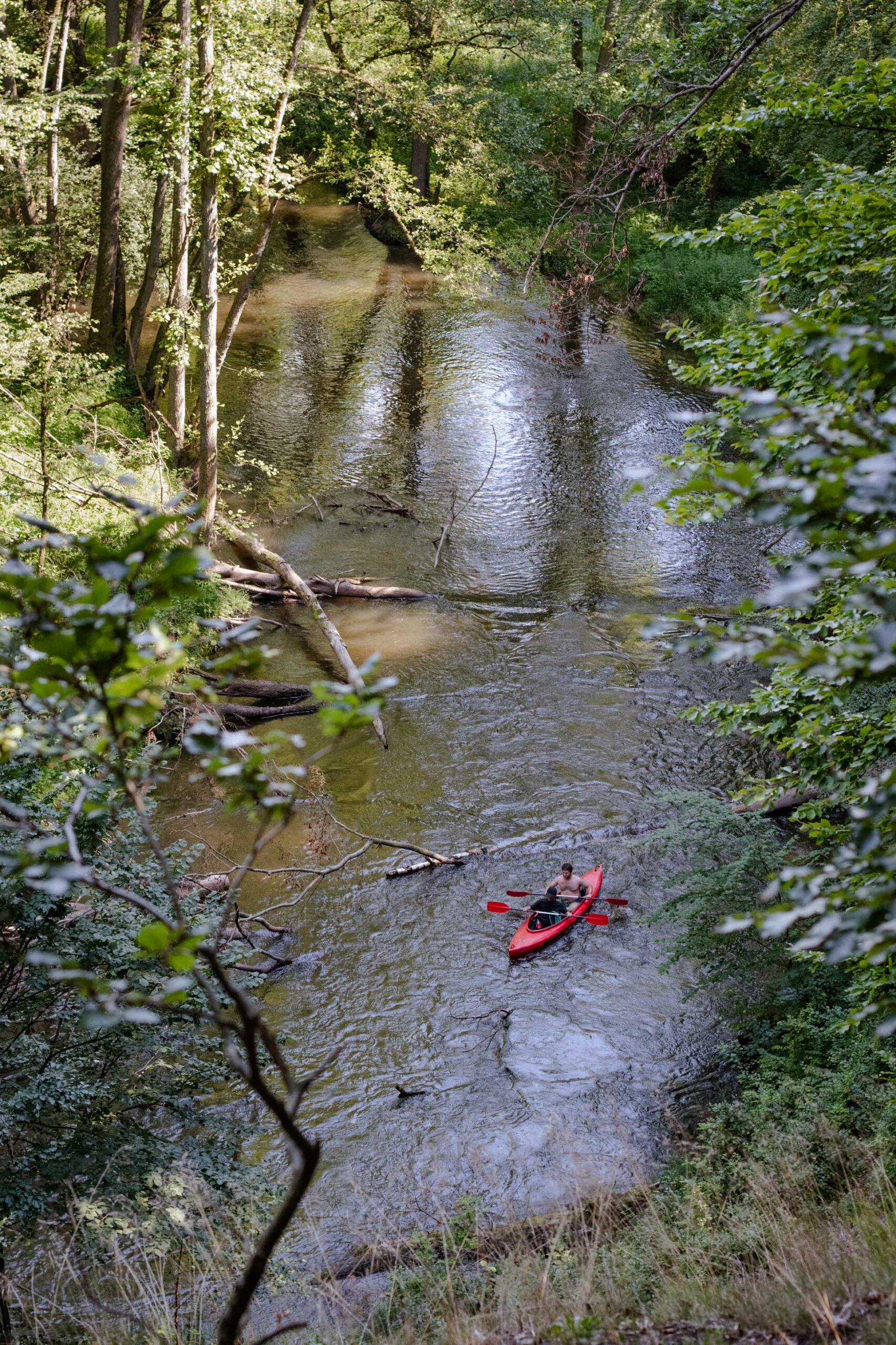
Woda jako siła sprawcza – kształtująca krajobraz, pamięć i relacje.
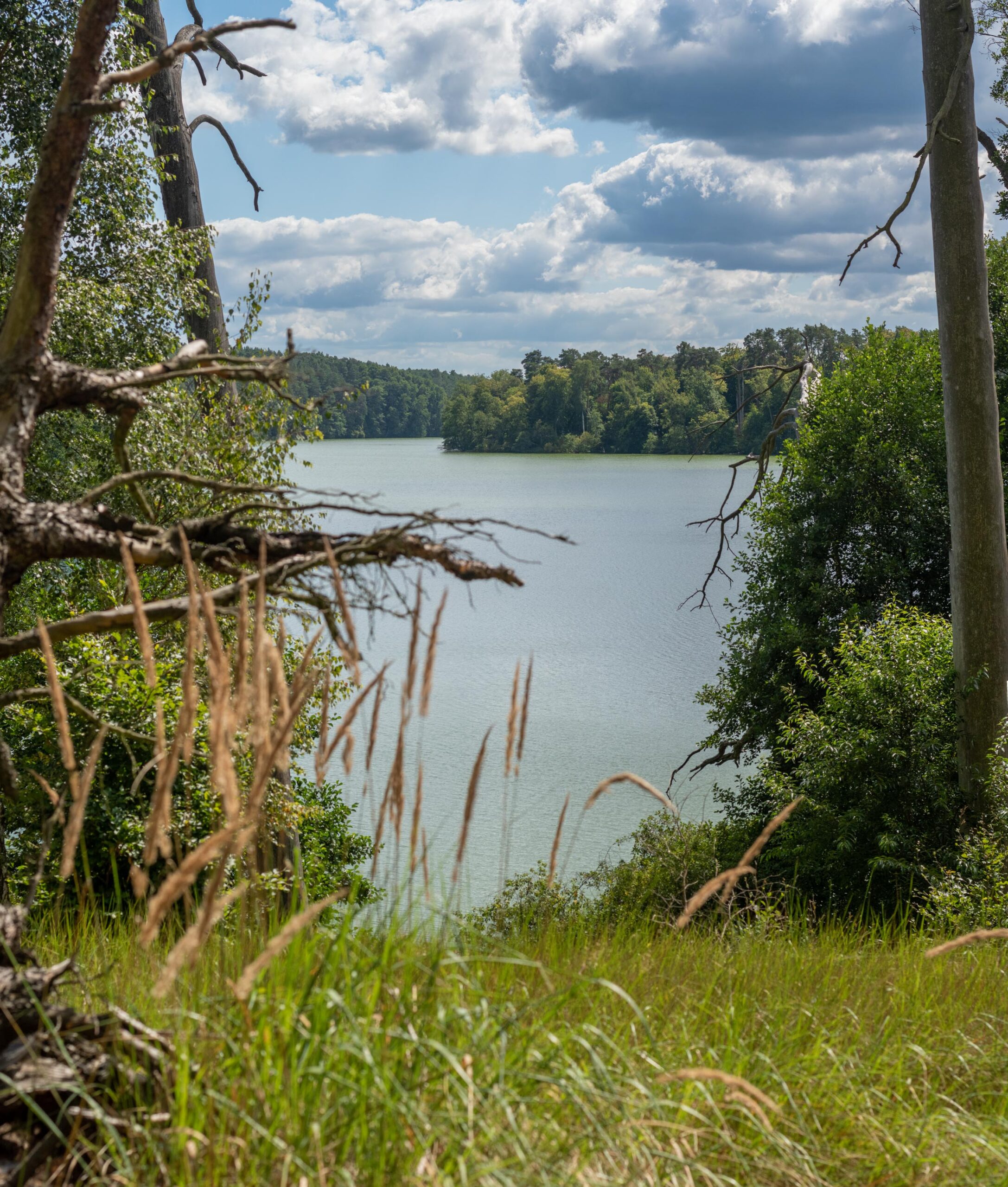
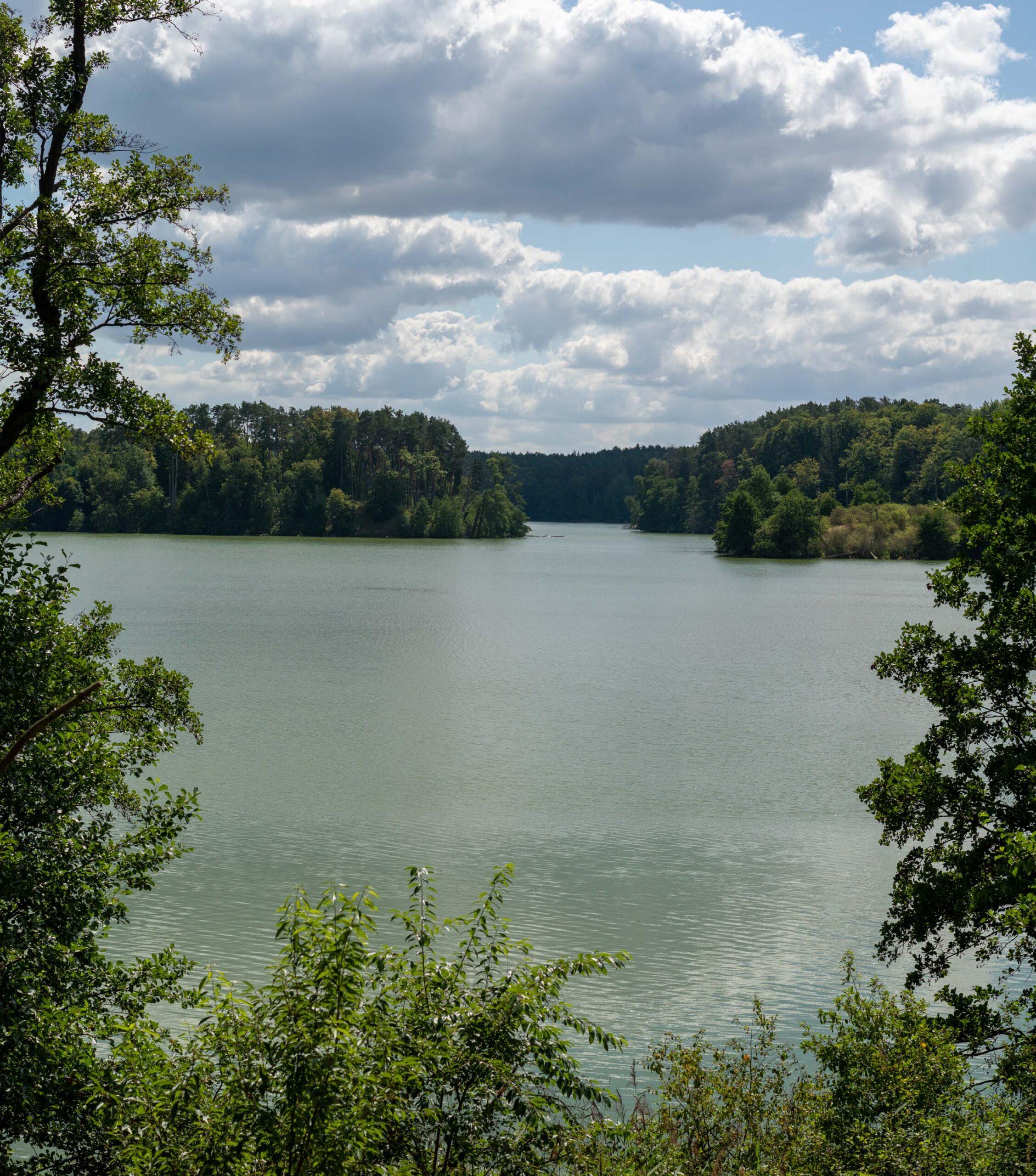
rzeki o naturalnym korycie · źródliska · mokradła · jeziora rynnowe · erozja wodna · cyrkulacja materii · retencja · geomorfologia · woda jako medium relacji · hydro-poetyka ·
Lokalizacje: Sierakowski Park Krajobrazowy, Drawski Park Krajobrazowy, Drawieński Park Narodowy, rezerwaty przyrody powiatu pilskiego, Rogaliński Park Krajobrazowy, rezerwaty okolic Jeziora Lubiatowskiego
Krajobrazy polodowcowe
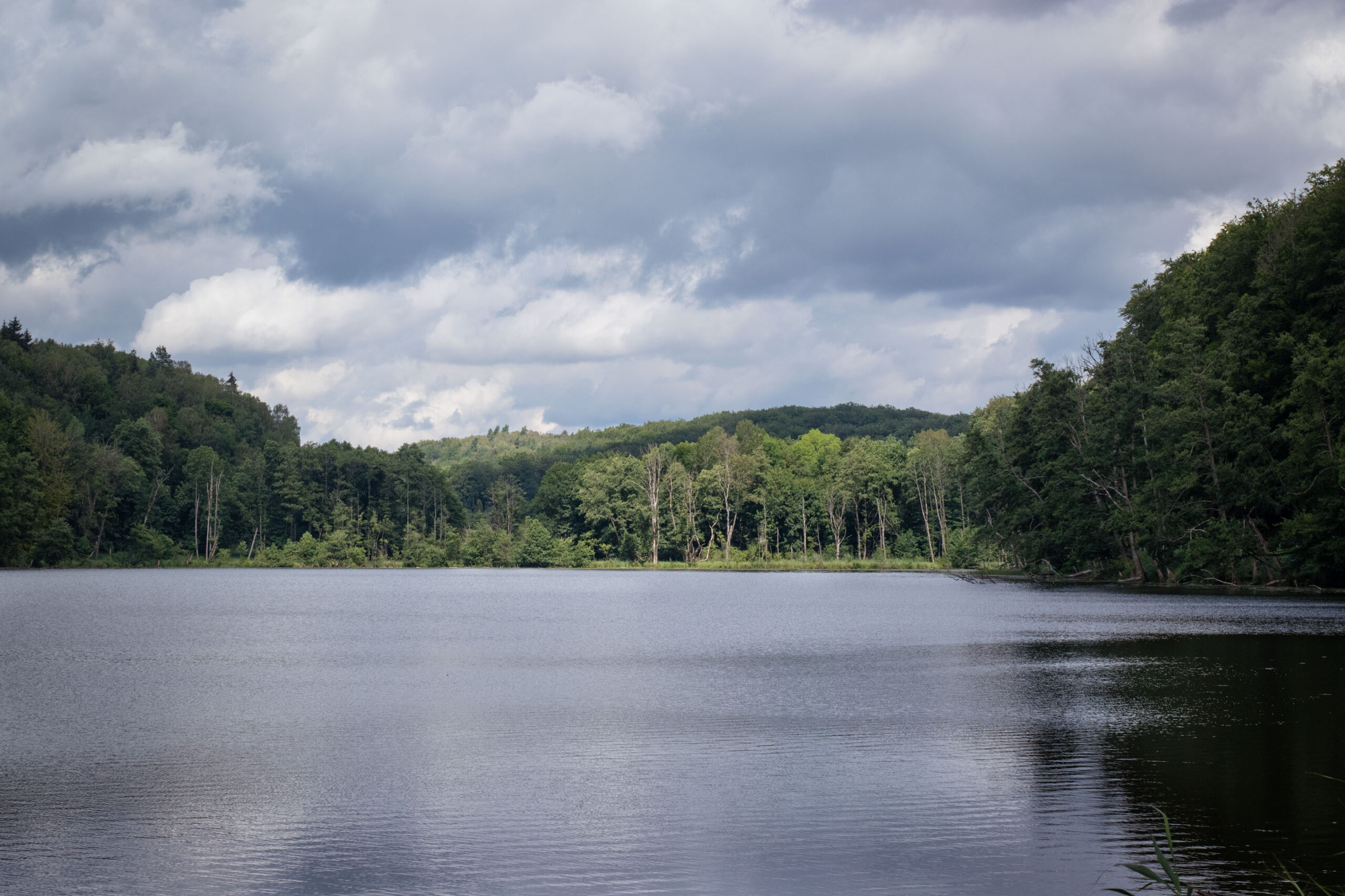
Krajobraz jako archiwum głębokiego czasu.
· dziedzictwo lądolodu · rzeźba terenu · doliny V-kształtne · jeziora rynnowe · krajobraz jako zapis procesów geologicznych · archiwum epok ·
Lokalizacje: Wielkopolski Park Narodowy, Pradolina Noteci, rezerwaty powiatu pilskiego
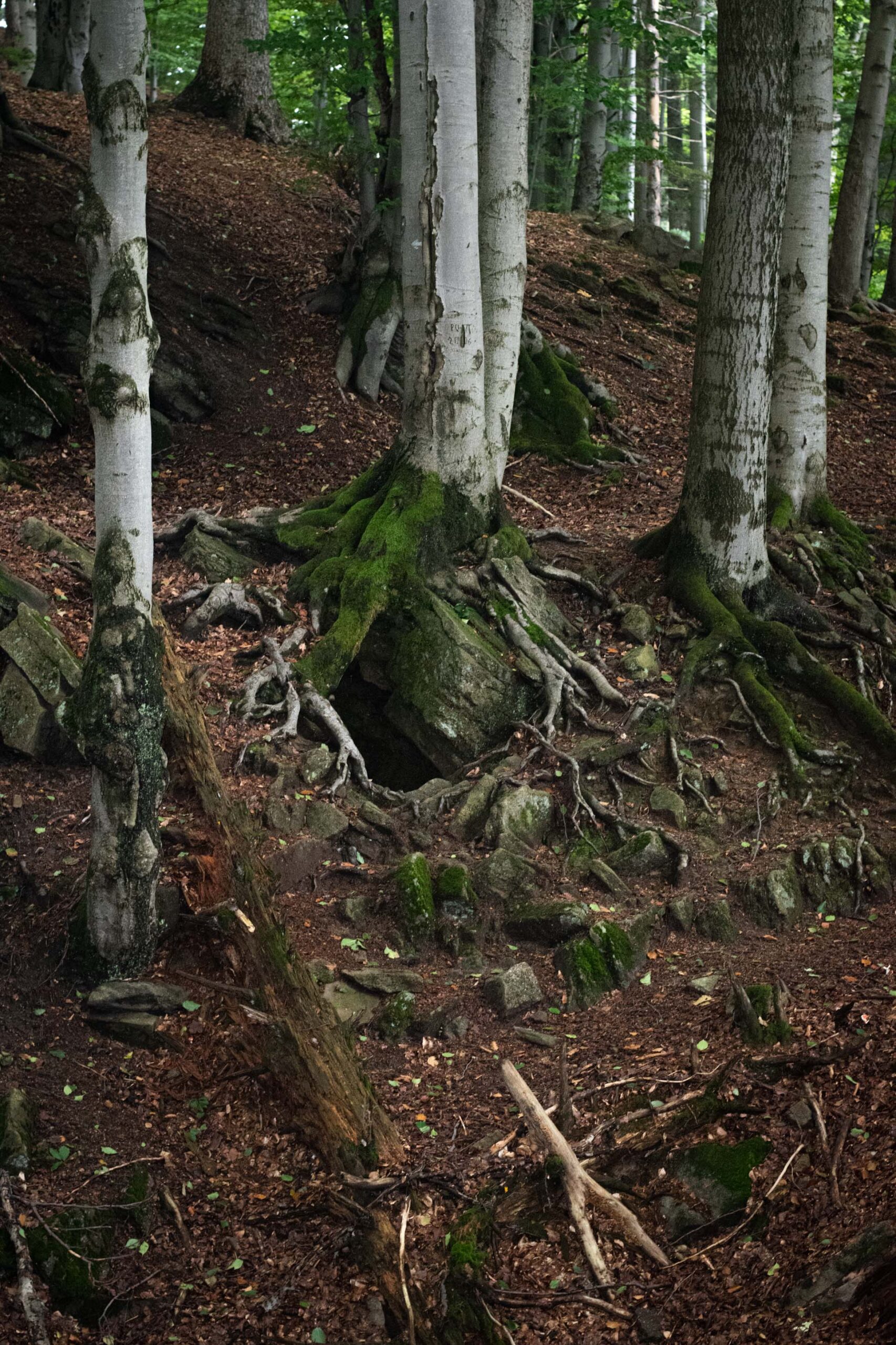
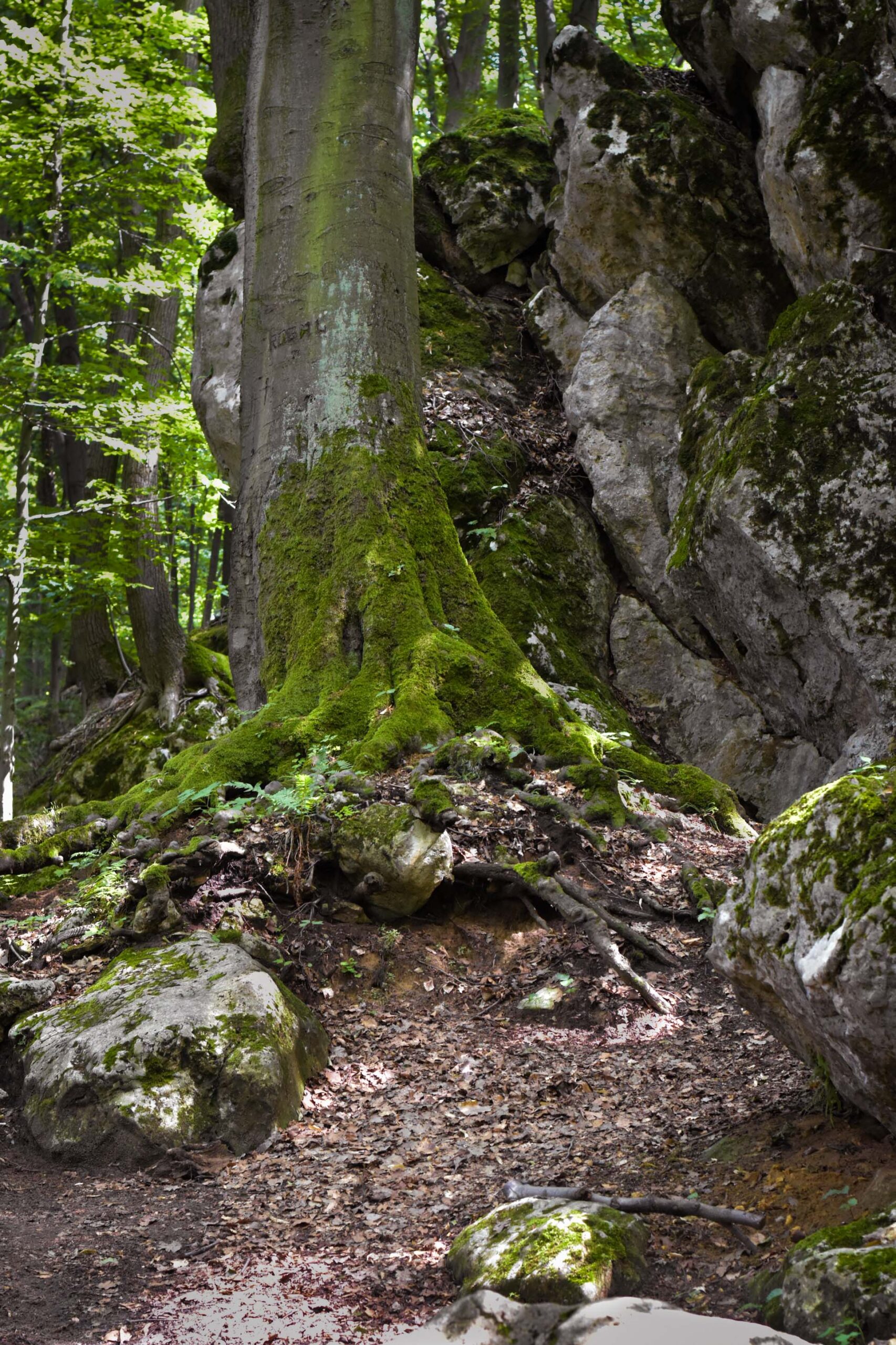
Lasy i najstarsze drzewa
Las jako sieć współzależnych bytów i procesów.
· najstarsze ekosystemy leśne · drzewa pomnikowe · las jako sieć relacji · symbioza · grzybnia · komunikacja międzygatunkowa · mchy · porosty · paprocie · ekosystem jako całość · cyrkulacja materii ·
Lokalizacje: Rezerwat Przyrody Śrubita, tereny chronione okolic Chrzanowa, Rogaliński Park Krajobrazowy, Park Krajobrazowy Puszczy Knyszyńskiej, Popradzki Park Krajobrazowy
Środowisko Indonezji
Krajobrazy ukształtowane przez wulkanizm, wodę i żywe kosmologie.
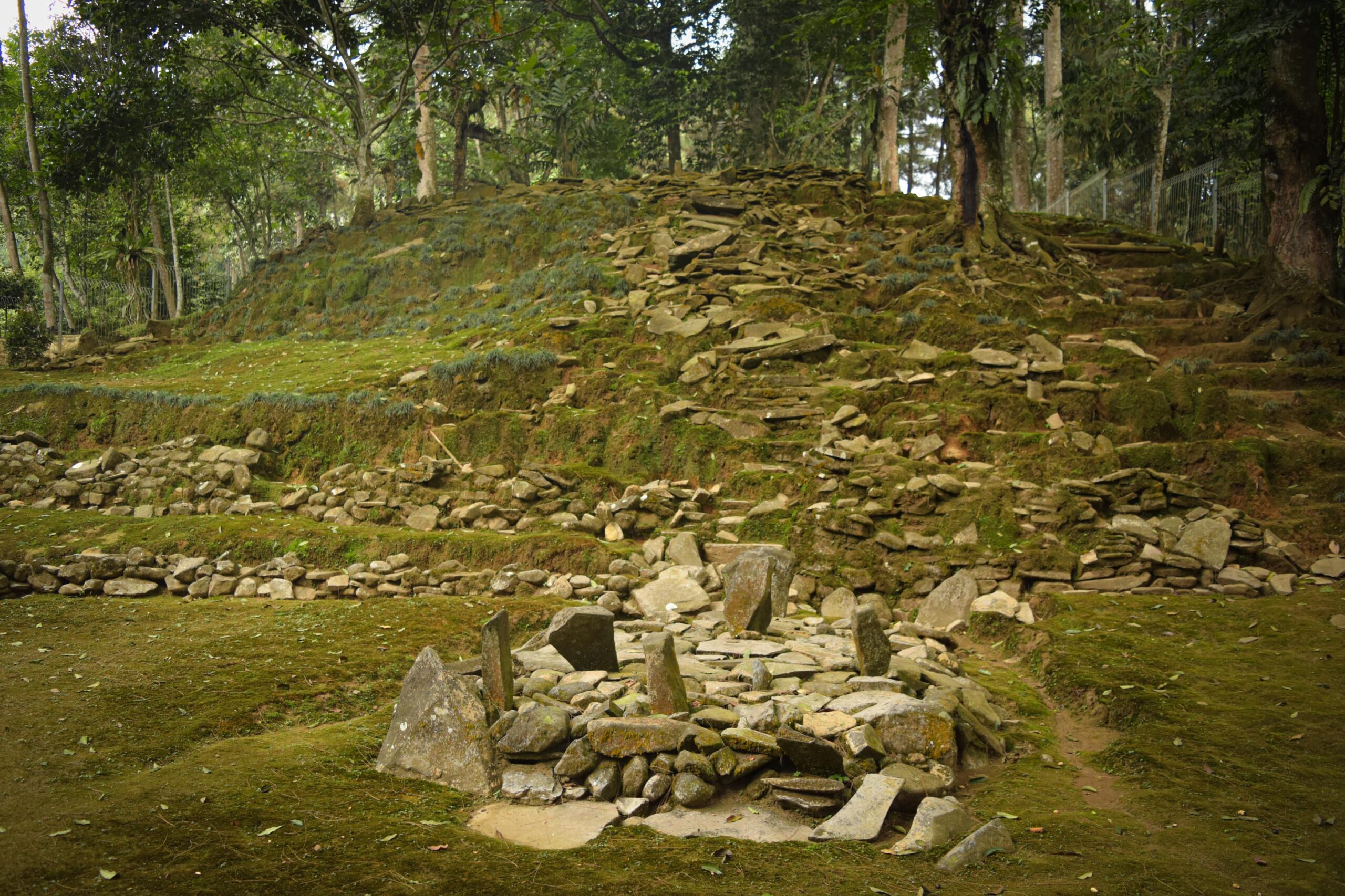
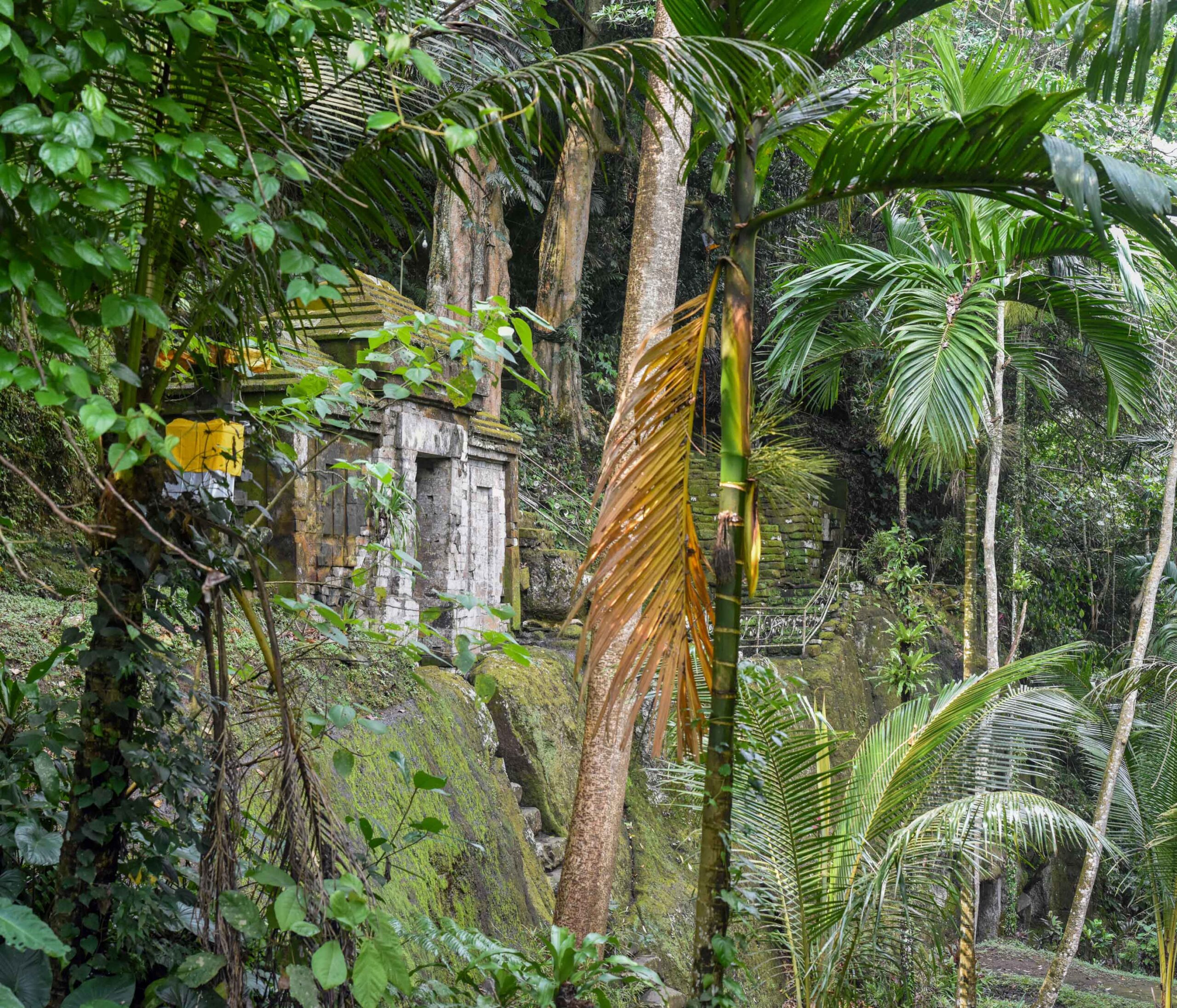
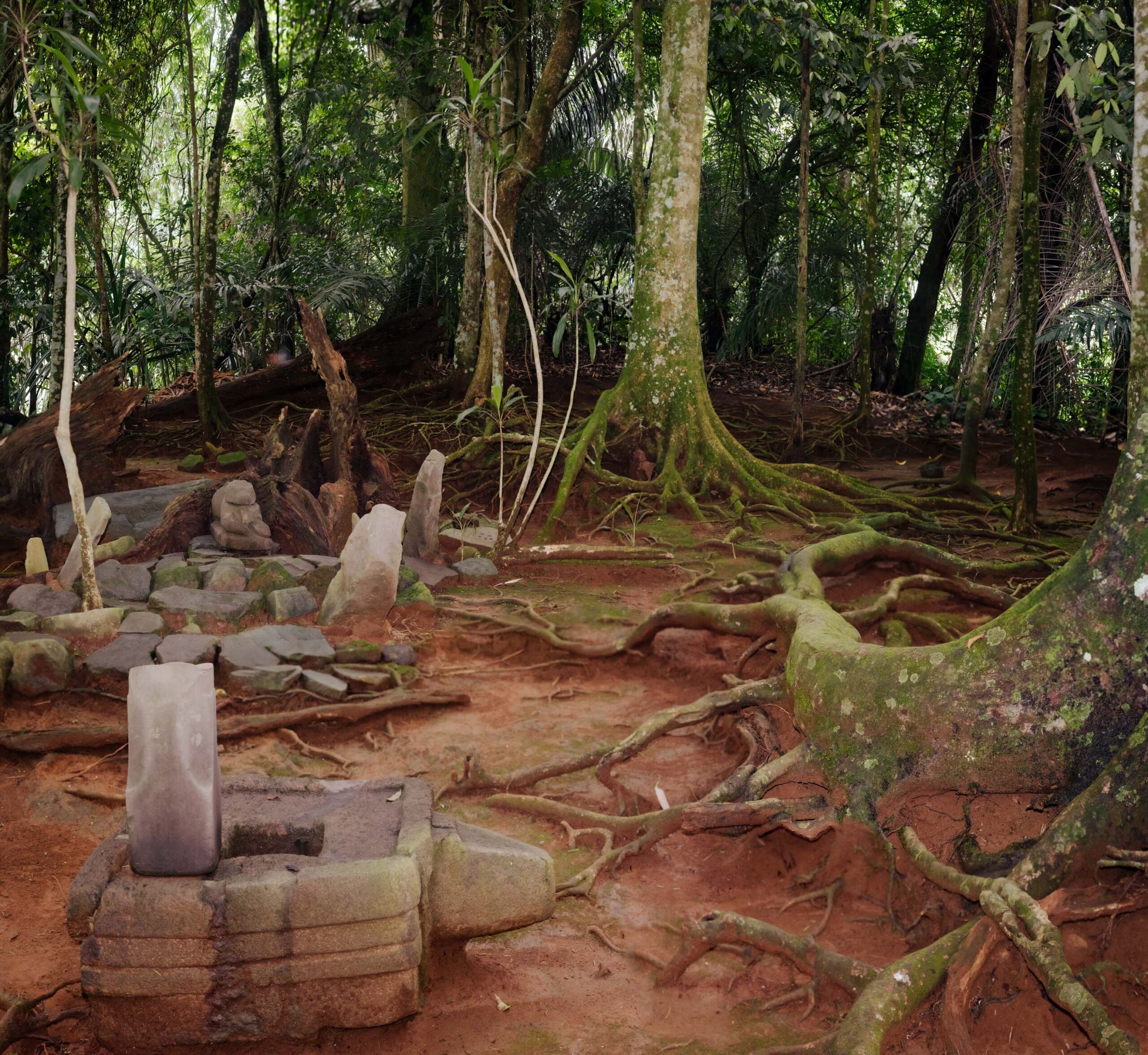
· najstarsze drzewa · drzewa chroniące zasoby wodne · kult drzew · wierzenia animistyczne · sacrum krajobrazu · kosmologie lokalne · wulkanizm · krajobraz wulkaniczny · żywioły · relacje duchowe z krajobrazem · megality i dawne świątynie wchłaniane przez naturę ·
Lokalizacje: okolice miast Yogyakarta, Cirebon i Bogor, wyspa Lombok, wschodnia część wyspy Borneo