Tendency to Collapse
2017–2018 | Interdisciplinary artistic research project, site-specific architectural installation (plaster, acrylic paint; in collaboration with Magda Jęczeń), original and archival photographs (from the collections of the Tropenmuseum in Amsterdam), drawings (pen and ink on paper, pencil on paper; various dimensions), objects (plaster, acrylic paint, arrows), artists’ books (various formats), audiovisual film (Tendency to Collapse, 00:25:00).
Solo exhibition: Zachęta Project Room, Zachęta – National Gallery of Art, Warsaw (PL)
Curator: Magda Kardasz
Concept
Tendency to Collapse is an interdisciplinary project exploring processes of transformation, decay, and regeneration from geological, cultural, and existential perspectives. It emerged from my reflections on the continuous transformation of matter, landscape, and human life, developed through artistic research conducted in Indonesia.
I was interested in collapse as an inherent aspect of the world's dynamics. Geological processes, architectural decay, the loss of equilibrium, and transformations in human life became the basis for a multilayered narrative about the impermanence of forms and their constant reconfiguration. Important points of reference included cyclical understandings of time and nature found in historical Javanese traditions, as well as the relationship between the microcosm and macrocosm.
Artistic Research in Indonesia
The project emerged from research I conducted in Indonesia between 2016 and 2018. Its main phase took place during a year-long stay in Yogyakarta under the Indonesian government-funded Darmasiswa scholarship, during which I studied visual arts at Institut Seni Indonesia (ISI Yogyakarta). Alongside my studies, I independently researched historical Javanese culture, architecture, literature, performing arts, traditional crafts, and the natural environment.
One of my principal areas of interest was Javanese literature from the 11th to 13th centuries, particularly representations of animate nature and relationships between the human world and the cosmos. I also investigated traditional masked dance, its symbolism, narratives, costumes, and ritual meanings. I attended performances and dance festivals, held conversations with local artists, and explored traditional mask-making practices.
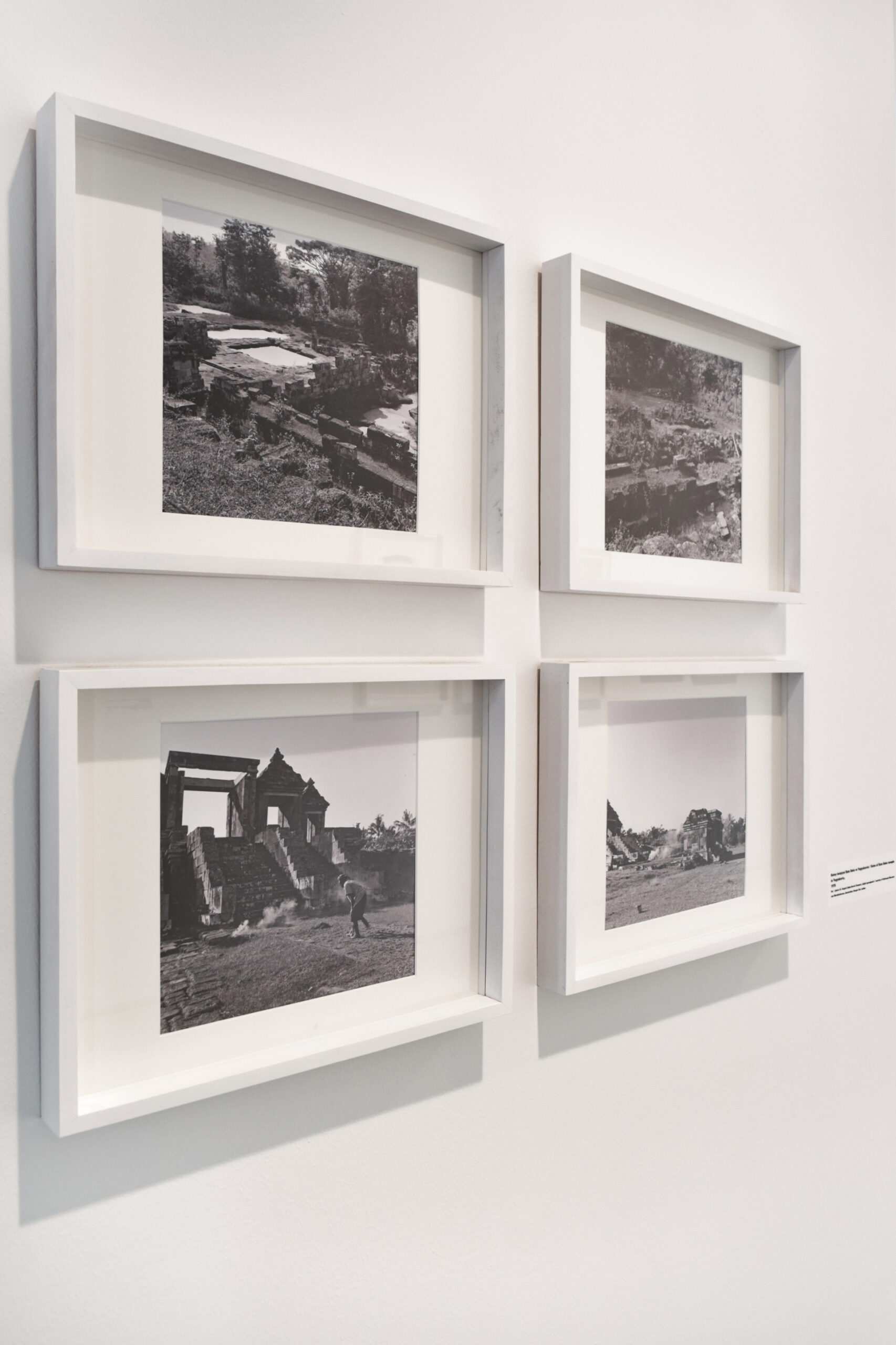
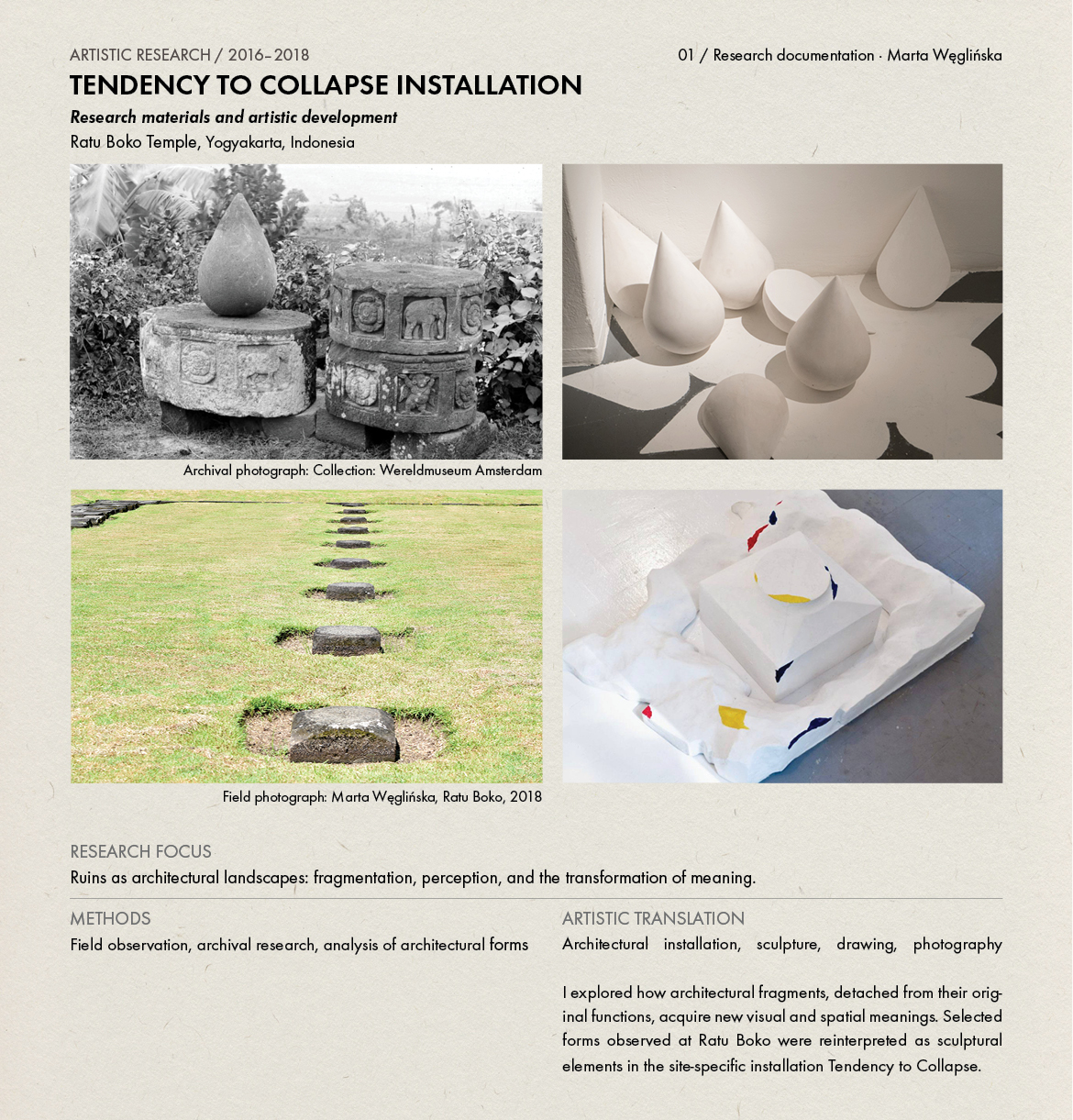
Field visits to historical temple complexes around Yogyakarta, particularly the ruins of Ratu Boko, formed an important part of the research, alongside archival investigations in the digital collections of the Tropenmuseum in Amsterdam. I studied historical photographs of architecture, masks, costumes, and dance performances. Selected architectural elements documented in these archival materials informed the design of sculptures and components of the installation. Four photographs from the museum's collection were also incorporated into the exhibition.
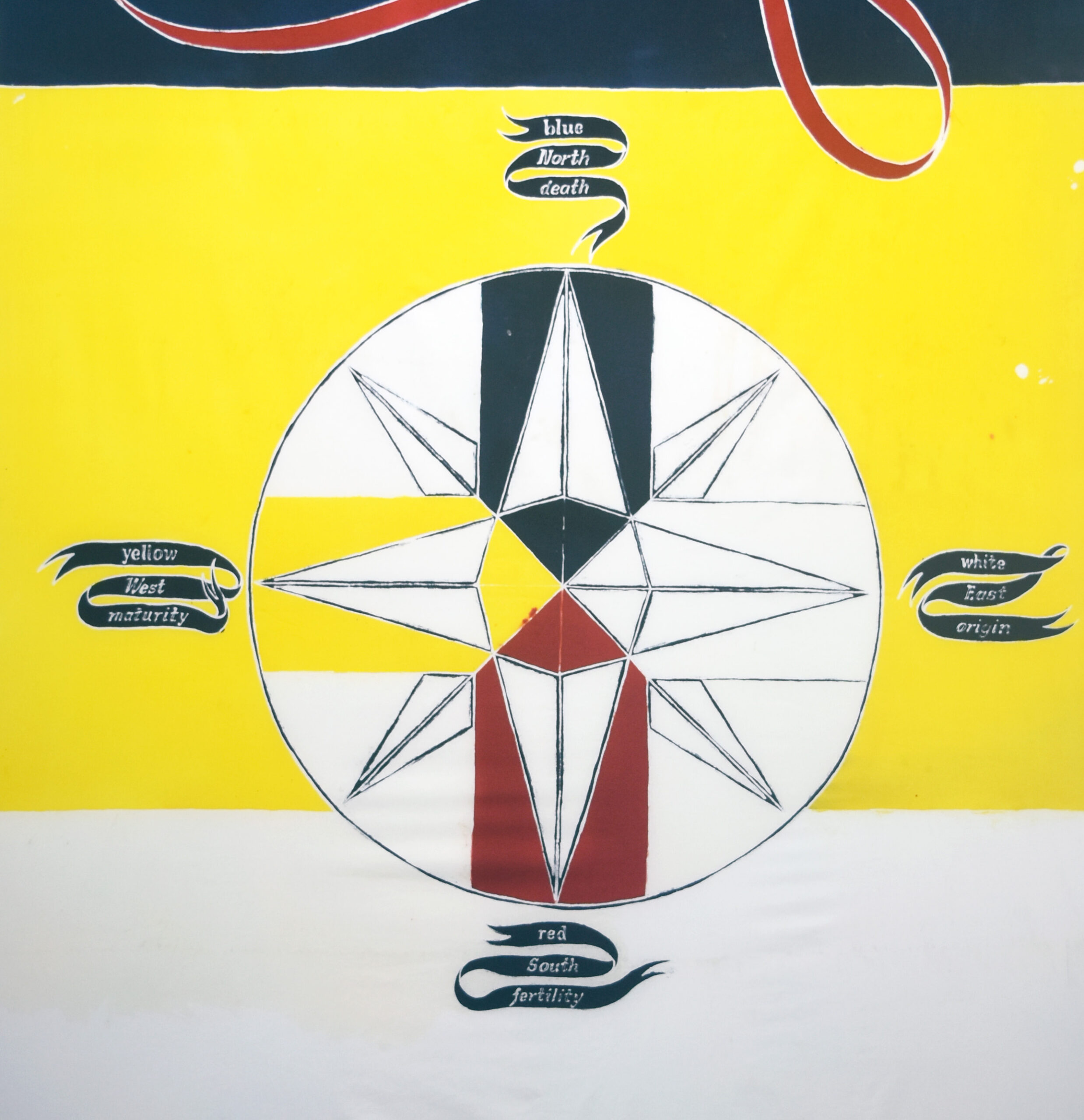
My research was further informed by observations of Indonesian landscapes, documented through analogue photography, and studies in geomorphology. Historical illustrations depicting processes that shape the Earth's surface became the starting point for a series of drawings. In parallel, I developed my batik practice at Sesama, an independent art space in Yogyakarta, exploring the technique and the symbolic meanings of colour in Javanese tradition.
Exhibition and Artistic Realisation
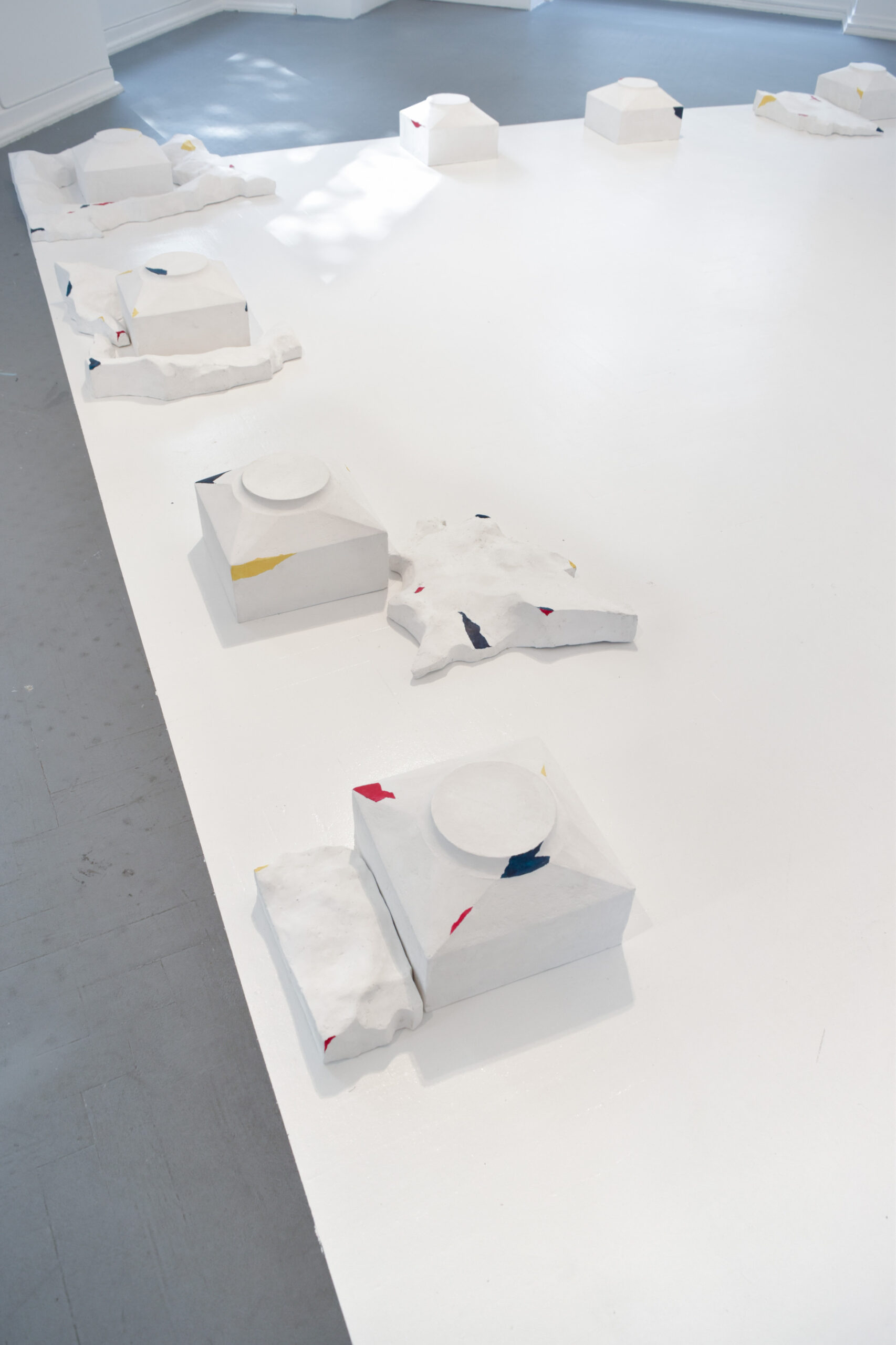
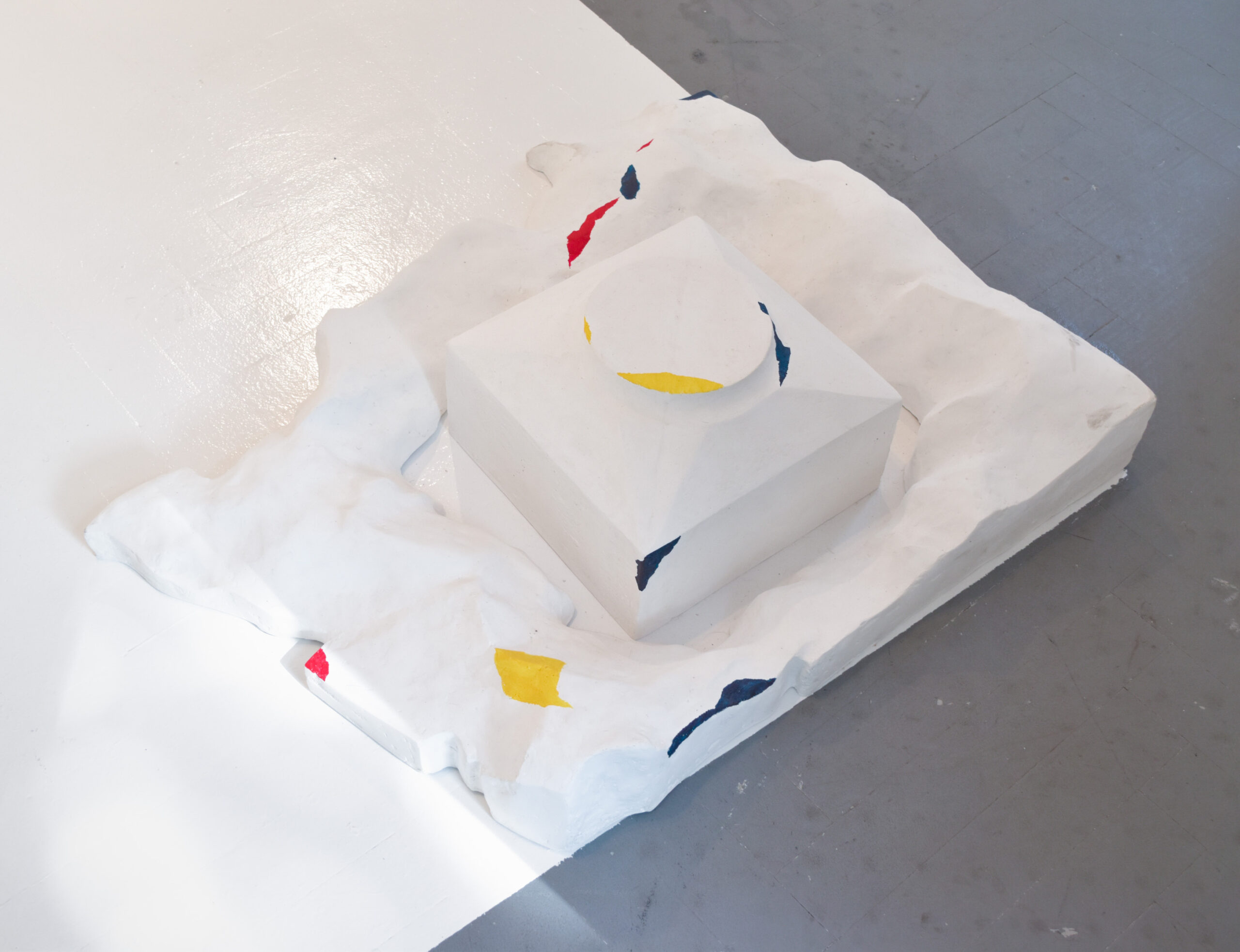
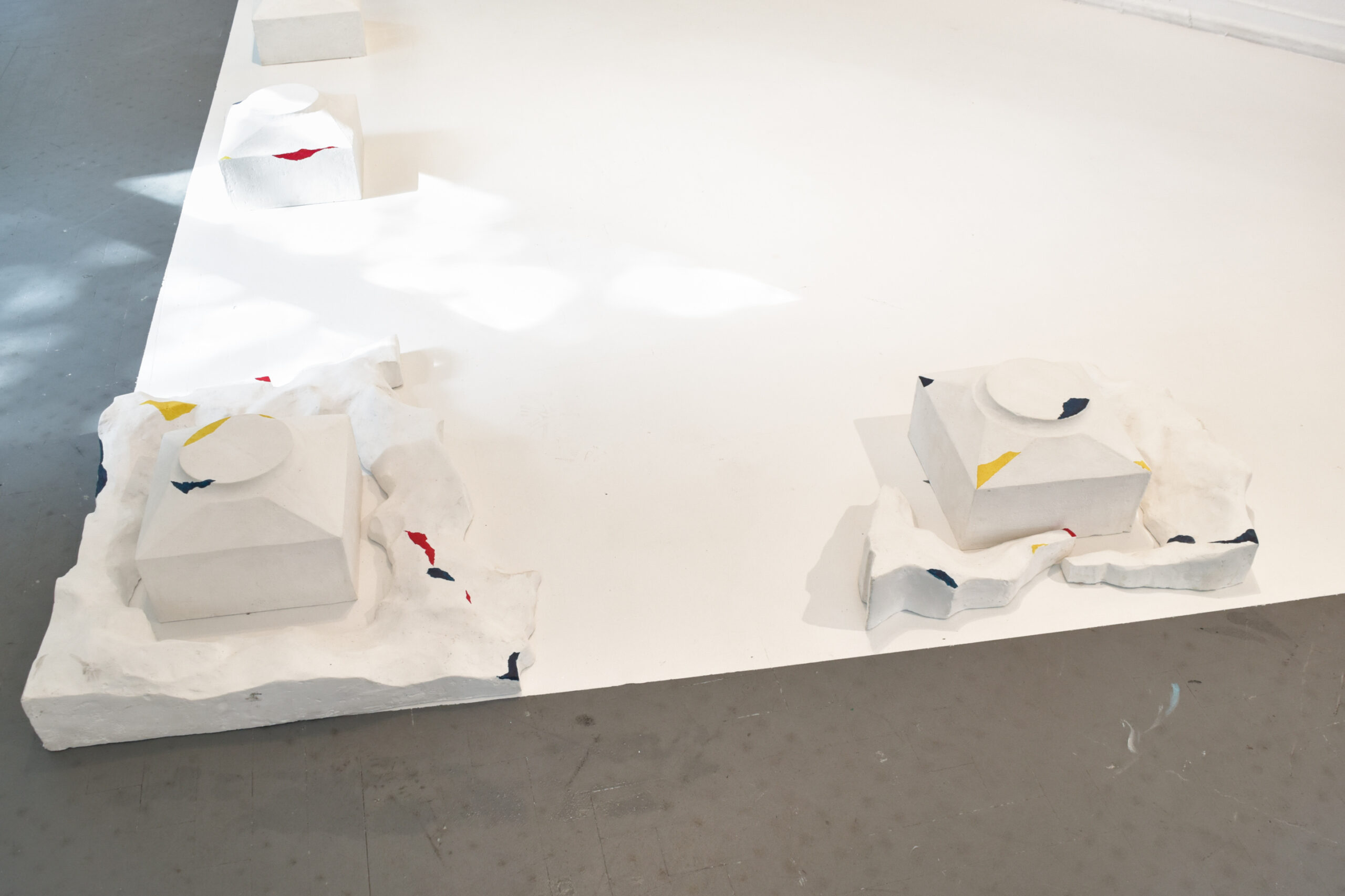
The central element of the exhibition was a large-scale, site-specific architectural installation inspired by the ruins of the historical Ratu Boko temple complex. I designed plaster forms evoking architectural fragments, which were arranged throughout the gallery to create a landscape of decay and gradual loss of stability. By translating architectural motifs into the exhibition space, I sought to bring geological, historical, and human timescales into dialogue.
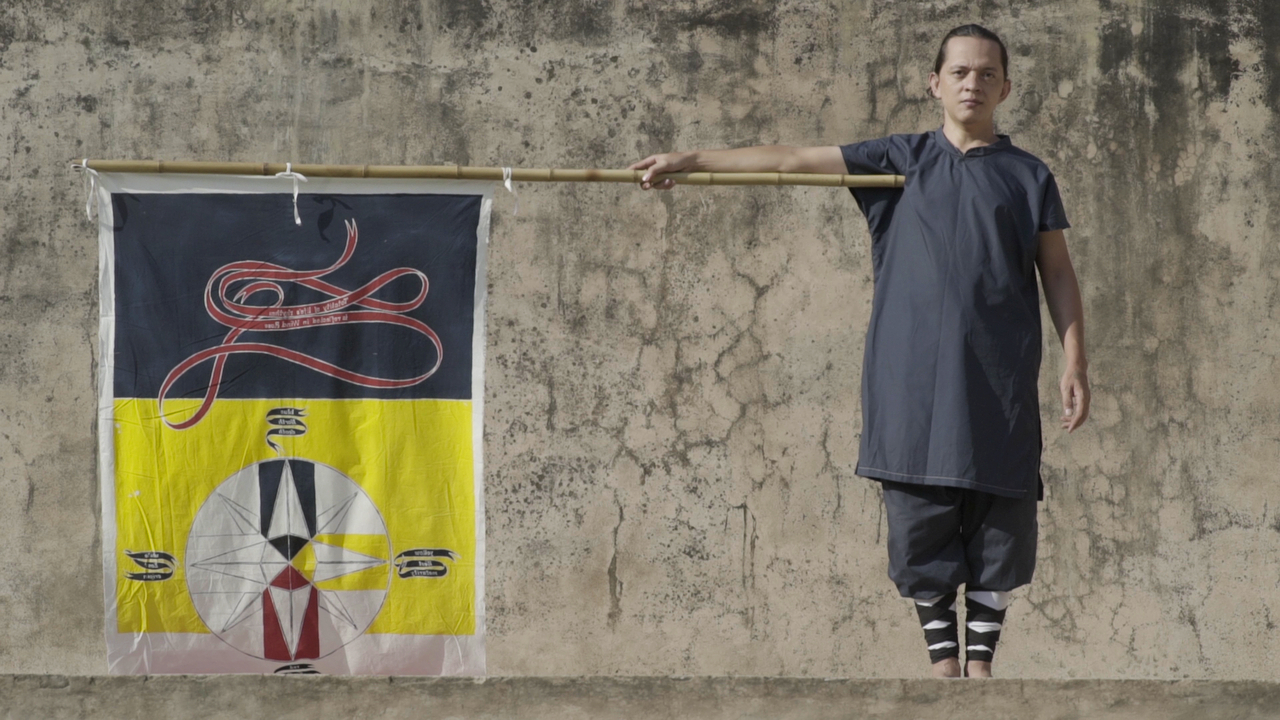
The installation was accompanied by sculptures, objects, ink drawings, original and archival photographs, and artist's books. Among the exhibited works was a sculpture referencing the Ouroboros, a symbol of eternity and cyclical regeneration, alongside drawings inspired by geomorphological processes. One of the batik works I created during my stay in Indonesia explored the dynamics of the world and human life through the symbolism of colour in Javanese tradition.
I brought these elements together into a multilayered narrative about transformations occurring in the natural environment, culture, and human experience. Motifs of decay, regeneration, and the loss of equilibrium allowed me to connect observations of material processes with symbolic understandings of change.
An integral part of the exhibition was a specially designed space for reading and exploring artists’ books, where I presented my publications created since 2012 alongside selected objects, including a mask used in the film Tendency to Collapse. Combining literary texts, photographs, and drawings, the books document experiences, observations, and evolving relationships with the surrounding world. Tendency to Collapse - movie. Książki, łączące teksty literackie, fotografie i rysunki, stanowią zapis doświadczeń, obserwacji i zmieniających się relacji z otaczającą rzeczywistością.
Film Tendency to Collapse - movie
An integral part of the exhibition was the 25-minute experimental film Tendency to Collapse - movie (2017–2018), which I developed during a subsequent two-month stay in Yogyakarta.
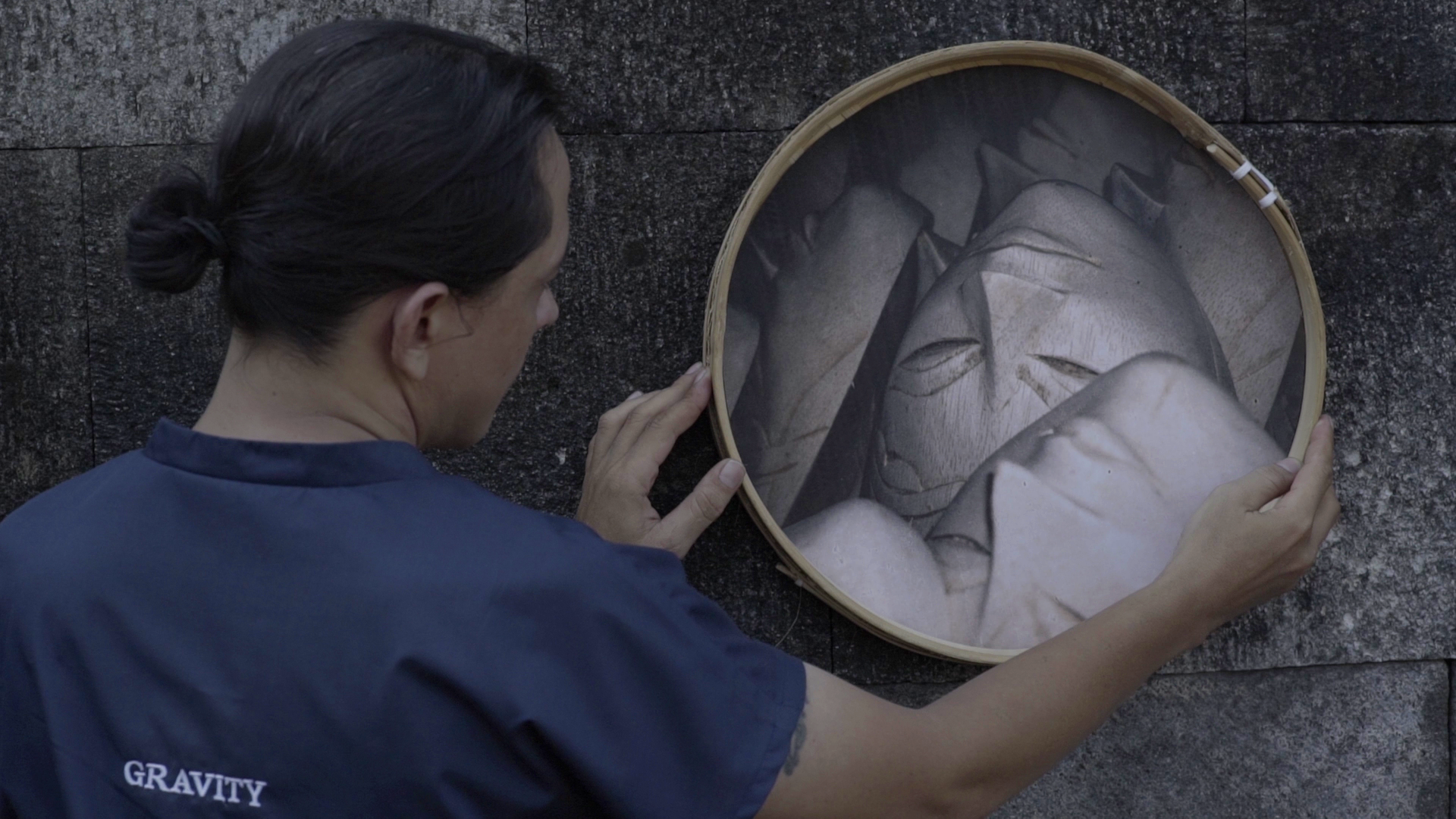
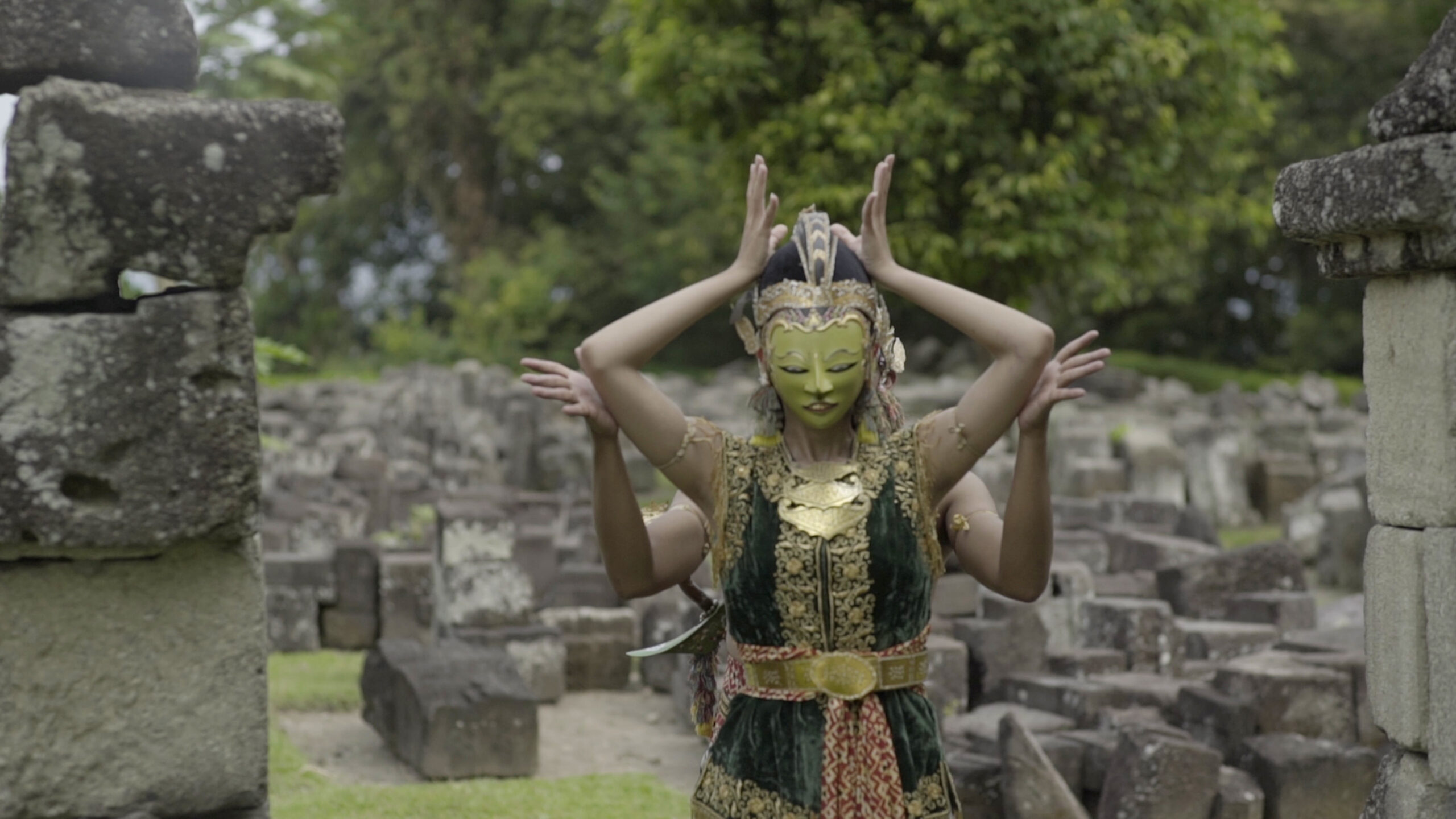
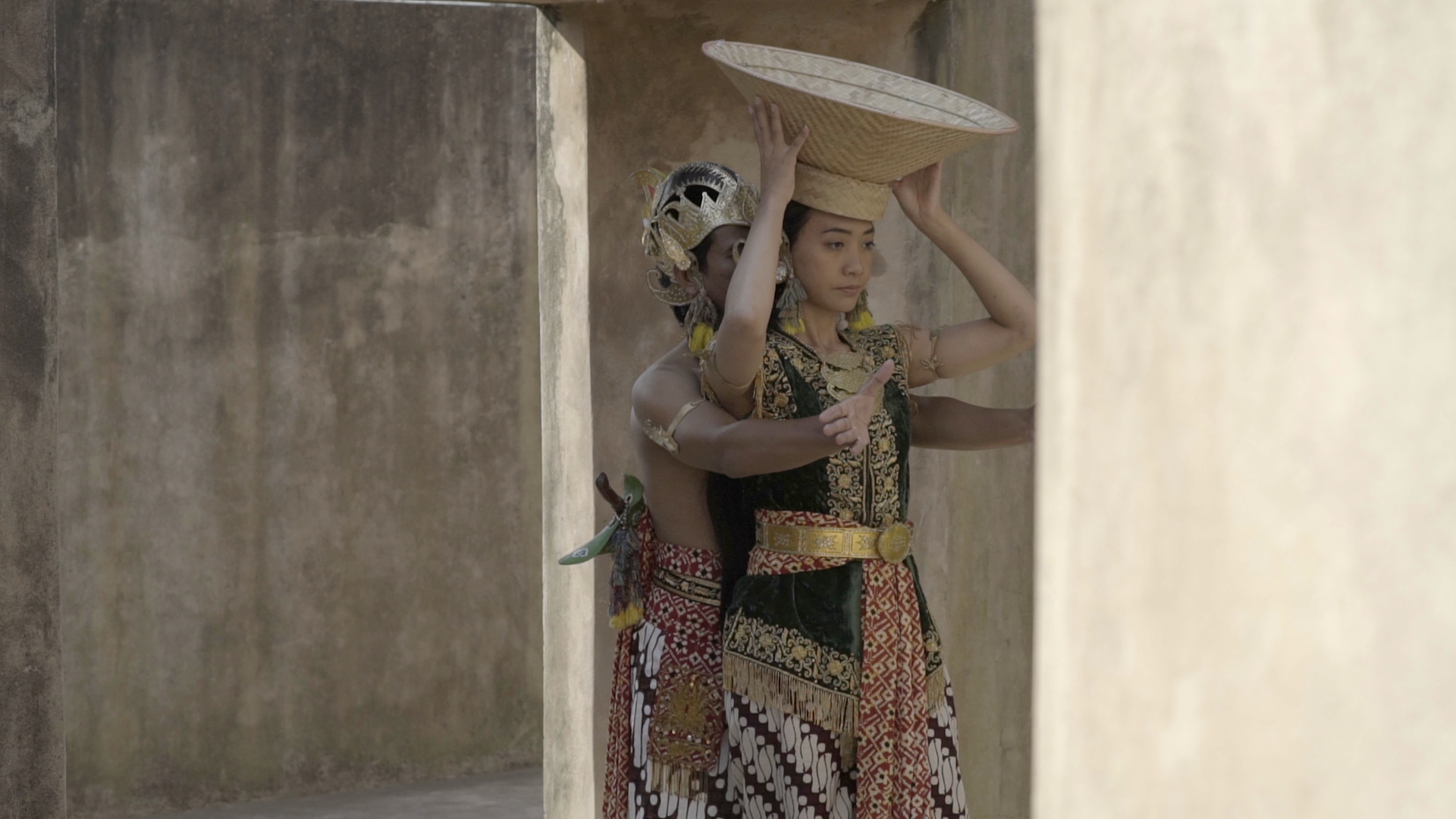
The film reinterprets a fragment of an old Javanese tale about Prince Panji and Princess Candrakirana. Hiding from their pursuers amid lush vegetation, the mythical protagonists gradually lose their faces, visually merging with nature. They are accompanied by Gravity, a personification of the inevitability of collapse, and a female Caryatid, symbolising stability.
I developed the screenplay and visual language of the film through meetings, discussions, and rehearsals with Indonesian artists, including traditional dancers, a pencak silat martial arts practitioner, a musician, and filmmakers. This collaboration became both a way of deepening my understanding of Javanese culture and an experiment in cross-cultural translation, exploring the possibility of developing a shared artistic language across different traditions and conceptions of the world.
The film combines traditional masked dance, martial arts, original costume designs, and music inspired by Javanese traditions. Filming locations included the ruins of Ratu Boko and the historical Warung Boto complex.